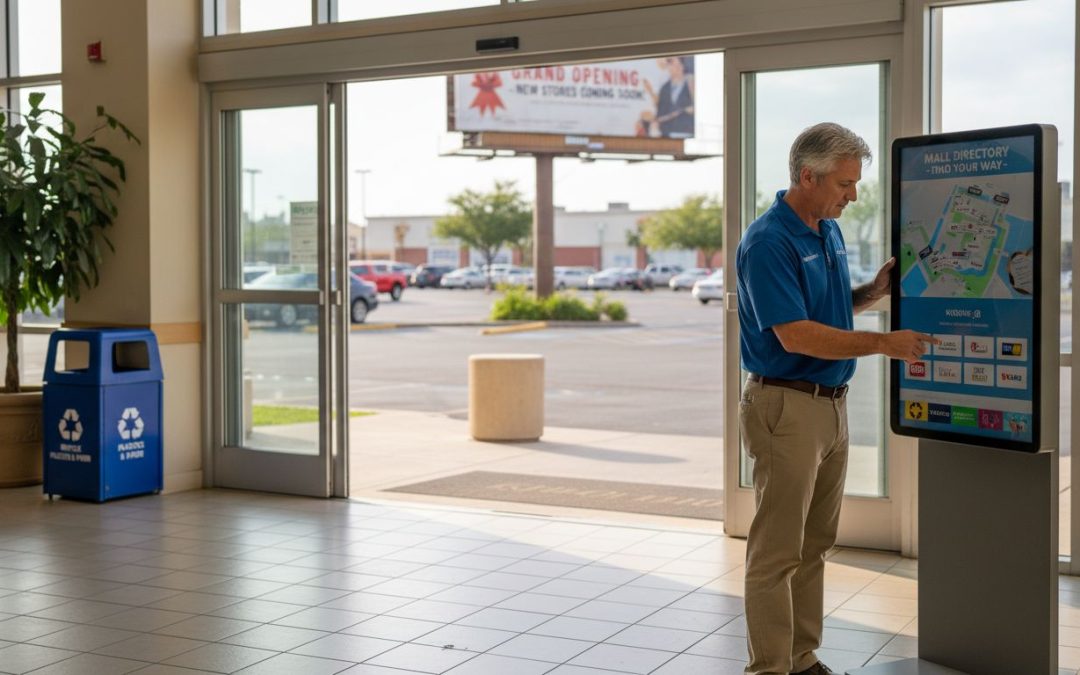
Most American businesses rely on well-designed signage to capture attention and guide customers. Effective signs do more than just display a logo or promote a sale. They must withstand unique indoor and outdoor challenges that affect everything from material choice to visibility. With over 60 percent of American shoppers saying signage impacts their decision to enter a store, understanding the purpose, durability, and design of your signs can make a clear difference for your brand.
Table of Contents
- 1. Understanding Indoor Versus Outdoor Sign Purposes
- 2. Key Material Choices For Lasting Results
- 3. Durability Factors In Different Environments
- 4. Design Elements For Maximum Visibility
- 5. Installation Tips For Indoor And Outdoor Signs
- 6. Maintenance Needs And Longevity Tips
- 7. Compliance And Safety Considerations
Quick Summary
| Takeaway | Explanation |
|---|---|
| 1. Indoor and outdoor signs serve different purposes | Indoor signs focus on navigation and information, while outdoor signs emphasize visibility and advertising. Understanding these roles is crucial for effective signage design. |
| 2. Material choice affects sign durability | Selecting the right materials ensures that indoor signs maintain clarity and aesthetics, while outdoor signs withstand environmental challenges like UV exposure and temperature fluctuations. |
| 3. Design impacts sign visibility | High contrast, clear typography, and proper size enhance visibility and legibility, making signs more effective in communicating messages quickly to viewers. |
| 4. Proper installation is essential for effectiveness | Correct mounting techniques ensure signs are secure and visible, directly impacting their long-term performance and utility in various environments. |
| 5. Regular maintenance extends sign life | Routine inspections and cleaning help prevent deterioration, maintaining the sign’s visual appeal and functionality while protecting your investment. |
1. Understanding Indoor Versus Outdoor Sign Purposes
Signage serves as a critical communication tool, but indoor and outdoor signs operate with distinctly different objectives and environmental challenges. Sign purpose fundamentally drives design, material selection, and strategic placement across various business contexts.
Indoor signs primarily focus on guiding, informing, and enhancing customer experience within controlled environments. These signs help visitors navigate spaces, communicate brand messaging, and provide essential information without battling external weather conditions. Western Illinois University’s policy on exterior communications underscores the importance of strategic signage design that balances functional communication with visual aesthetics.
Outdoor signs, conversely, must withstand significantly more challenging conditions. They need to capture attention quickly, communicate messages from greater distances, and remain legible under varying light, temperature, and weather conditions. Businesses must consider factors like sunlight glare, wind resistance, precipitation, and temperature fluctuations when designing outdoor signage.
Key Differences in Sign Purposes:
- Indoor Signs: Wayfinding, interior branding, instructional communication
- Outdoor Signs: Advertising, directional guidance, external brand visibility
Successful signage strategy requires understanding these distinct purposes. Whether creating signs for retail spaces, corporate offices, or storefront displays, matching the sign’s purpose to its environment ensures maximum effectiveness and communication impact.
2. Key Material Choices for Lasting Results
Material selection plays a pivotal role in sign durability, performance, and visual impact. Different environments demand specific material characteristics to ensure long lasting and effective communication. Understanding material properties helps businesses create signs that withstand their intended setting.
Vanderbilt University’s guide on sign materials highlights crucial considerations when selecting signage materials. For indoor environments, acrylic and vinyl offer exceptional clarity and design flexibility. These materials work perfectly for office directories, wall graphics, and interior wayfinding signs.
Outdoor signage requires more robust materials capable of resisting environmental challenges. Aluminum emerges as a top choice for exterior signs, offering exceptional weather resistance, lightweight construction, and minimal maintenance requirements. Performance plastics like high density polyethylene (HDPE) provide additional outdoor durability with impressive resistance to temperature fluctuations and UV exposure.
Material Selection Recommendations:
- Indoor Signs: Acrylic, vinyl, polycarbonate
- Outdoor Signs: Aluminum, HDPE, metal composites
- Hybrid Environments: Weather resistant acrylics, treated vinyl
Professional sign makers assess specific environmental conditions, expected lifespan, budget constraints, and aesthetic requirements when recommending materials. Selecting the right material ensures your sign communicates effectively while maintaining its visual appeal and structural integrity.
3. Durability Factors in Different Environments
Environmental conditions dramatically impact sign performance and longevity. Signs must withstand complex challenges ranging from temperature extremes to direct sunlight exposure, mechanical stress, and atmospheric pollutants.
The Federal Highway Administration highlights the critical role of retroreflective sheeting in maintaining sign visibility and durability across challenging environments. Outdoor signs face substantially more rigorous conditions compared to indoor signage, requiring specialized material engineering and protective treatments.
Key Environmental Durability Considerations:
- Temperature Range: Signs must resist cracking in freezing conditions and warping under extreme heat
- UV Exposure: Materials need ultraviolet resistance to prevent color fading and structural degradation
- Humidity Levels: Signs must resist moisture penetration and prevent potential mold or rust formation
- Wind Resistance: Outdoor signs require robust mounting and structural integrity
- Chemical Exposure: Industrial and urban environments demand materials resistant to pollution and chemical interactions
Professional sign designers conduct comprehensive environmental assessments, selecting materials and treatments that match specific location requirements. Understanding these durability factors helps businesses invest in signage that maintains visual clarity and structural performance across years of challenging conditions.
4. Design Elements for Maximum Visibility
Sign visibility transforms communication from mere visual information to powerful messaging. Strategic design choices determine whether your sign captures attention or blends into background noise.
The City of Walnut Creek’s design guidelines highlight critical considerations for creating visually impactful signage. Color contrast emerges as a fundamental element in maximizing sign readability and effectiveness.
Key Visibility Design Principles:
- Use high contrast color combinations
- Select dark backgrounds for enhanced legibility
- Implement clear typography with adequate letter spacing
- Ensure sufficient size relative to viewing distance
- Consider illumination for low light environments
Color and Contrast Strategies:
- Indoor Signs: Soft background tones with bold text
- Outdoor Signs: Dark backgrounds preventing glare
- Universal Recommendation: Minimum 70% color contrast between text and background
Professional sign designers understand that visibility is not just about size but about creating visual communication that instantly communicates your message. Thoughtful design transforms signs from passive displays into powerful communication tools that engage viewers within milliseconds of perception.
5. Installation Tips for Indoor and Outdoor Signs
Sign installation represents the critical final stage transforming design concepts into functional communication tools. Proper mounting techniques ensure your signage remains secure, visible, and professionally presented.
The International Sign Association offers comprehensive training on installation standards, highlighting the complexity of mounting signs in different environments. Indoor and outdoor installations require distinctly different approaches to ensure long term performance and safety.
Indoor Sign Installation Considerations:
- Use appropriate wall anchors for mounting surface
- Select adhesives matching surface material
- Ensure level and precise placement
- Consider lighting and viewing angles
- Verify weight limitations of mounting surface
Outdoor Sign Installation Strategies:
- Use weatherproof mounting hardware
- Install foundation supports for larger signs
- Consider wind load and structural integrity
- Implement proper drainage around mounting points
- Select corrosion resistant materials
Professional installers understand that successful sign placement goes beyond simple attachment. Careful planning and precise execution transform signs from static objects into powerful communication platforms that effectively convey your message in any environment.
6. Maintenance Needs and Longevity Tips
Sign maintenance determines the difference between a professional communication tool and a deteriorating visual distraction. Regular care preserves your signage investment and ensures consistent brand representation.
The British Sign and Graphics Association emphasizes the critical importance of systematic safety inspections to prevent costly replacements and maintain regulatory compliance. Proactive maintenance extends sign life and protects your visual communication strategy.
Indoor Sign Maintenance Recommendations:
- Clean surfaces quarterly
- Check mounting hardware for stability
- Inspect lighting elements
- Remove dust and potential debris
- Verify color integrity
Outdoor Sign Maintenance Strategies:
- Conduct comprehensive quarterly inspections
- Check structural mounting points
- Clean surfaces with appropriate materials
- Repair minor damages immediately
- Apply protective coatings annually
Professional sign managers understand that maintenance is not an expense but an investment. Routine care prevents unexpected failures, maintains visual quality, and ultimately saves significant replacement costs. Signs represent your brand every moment they are visible, making consistent maintenance a critical business strategy.
7. Compliance and Safety Considerations
Safety and regulatory compliance transform signs from mere visual displays into responsible communication tools. Navigating complex legal requirements ensures your signage meets essential standards while protecting your business from potential legal challenges.
Western Illinois University’s policy on exterior communications underscores the importance of creating signs that balance functional communication with aesthetic and regulatory standards. Understanding these requirements becomes crucial for businesses across various industries.
Key Compliance Considerations:
- Americans with Disabilities Act (ADA) guidelines
- Local zoning regulations
- Fire safety code requirements
- Height and placement restrictions
- Visibility and illumination standards
Safety Design Priorities:
- Ensure clear visibility for all users
- Use high contrast color schemes
- Implement proper lighting for nighttime readability
- Select durable materials meeting safety standards
- Include appropriate warning language when necessary
Professional sign designers recognize that compliance is not a burden but an opportunity to create inclusive, responsible communication platforms that serve diverse user needs while protecting business interests.
Below is a comprehensive table summarizing the key concepts, differences, materials, and considerations for indoor and outdoor signage discussed throughout the article.
| Topic | Description | Key Considerations |
|---|---|---|
| Sign Purpose | Indoor signs focus on guiding and informing, enhancing the customer experience; outdoor signs capture attention, communicate at distances. | Indoor: Wayfinding, branding; Outdoor: Advertising, visibility |
| Material Choices | Indoor signs use acrylic and vinyl; outdoor signs favor aluminum and HDPE. | Indoor: Clarity, flexibility; Outdoor: Weather resistance |
| Durability Factors | Environmental challenges impact performance; materials must resist temperature, UV, humidity, and wind. | Temperature and UV resistance, wind and chemical exposure |
| Design Elements | Visibility through high contrast, typography, size, and illumination. | Use dark backgrounds outdoors, maintain contrast |
| Installation Tips | Secure, weatherproof techniques differentiate indoor from outdoor installs. | Indoor: Wall anchors, adhesives; Outdoor: Structural integrity, drainage |
| Maintenance Needs | Regular cleaning, inspections, and repairs extend lifespan. | Indoor: Quarterly cleaning; Outdoor: Comprehensive inspections |
| Compliance and Safety | Legal standards ensure safe and effective communication. | ADA guidelines, zoning regulations, safety standards |
Master the Art of Effective Indoor and Outdoor Signage Today
Choosing the right type of sign for your space can be a challenge. Whether you need signs designed for indoor wayfinding or outdoor branding that withstands harsh weather, understanding the differences in purpose, materials, and installation is essential. Avoid costly mistakes by selecting durable materials like aluminum for outdoor use and acrylic for indoor signs that ensure visibility and longevity in any environment.

Discover how you can elevate your business image with expertly crafted signage tailored to your unique needs. Visit Uncategorized and explore our comprehensive range of custom signs. At Custom Signs Today, we provide high-quality signage solutions designed specifically to meet indoor and outdoor challenges. Don’t wait for your signs to fade or fail. Contact us now to get your free quote and bring your brand message to life with signs built to last.
Frequently Asked Questions
What are the main differences in purpose between indoor and outdoor signs?
Indoor signs primarily guide and inform customers within controlled environments, while outdoor signs advertise and improve brand visibility in varied weather conditions. Understand the key differences in sign purpose to ensure your signage effectively communicates your message in the correct environment.
How do I choose the right materials for indoor versus outdoor signs?
Indoor signs often use materials like acrylic and vinyl for clarity and flexibility, while outdoor signs need durable options such as aluminum and high-density polyethylene (HDPE) to withstand weather conditions. Research your environmental needs to select materials that offer longevity and visual appeal for each specific setting.
What factors affect the durability of outdoor signs compared to indoor signs?
Outdoor signs must endure harsher conditions like temperature fluctuations, UV exposure, and wind resistance, making material selection critical. Assess the environmental challenges to ensure your outdoor signage remains effective and visually appealing over time.
What design elements should I consider for maximizing visibility on signs?
Key design principles include using high-contrast colors, clear typography, and appropriate size to enhance legibility from a distance. Implement these design strategies in both indoor and outdoor signs to ensure they capture attention effectively and convey your message clearly.
What are some maintenance tips for keeping indoor and outdoor signs in good condition?
Regularly clean indoor signs every few months and conduct comprehensive inspections of outdoor signs quarterly to check for damage or wear. Establish a maintenance schedule to prolong the lifespan of your signs and maintain their professional appearance.
Why is compliance important when designing and installing signs?
Adhering to safety and regulatory standards ensures your signs are accessible and legally compliant, protecting your business from potential liabilities. Familiarize yourself with relevant guidelines to create responsible signage that meets user needs and legal requirements.
Recommended
- Complete Guide to Outdoor Signs for Businesses –
- Complete Guide to Exterior Signage Basics –
- Why Invest in Outdoor Signs: Complete Guide –
- 7 Essential Outdoor Signage Tips for Local Businesses –
- Understanding Digital Signage for Offices: Key Insights – Projector Display
- 7 Key Differences Between Indoor vs Outdoor Floor Mats – Mats4U USA