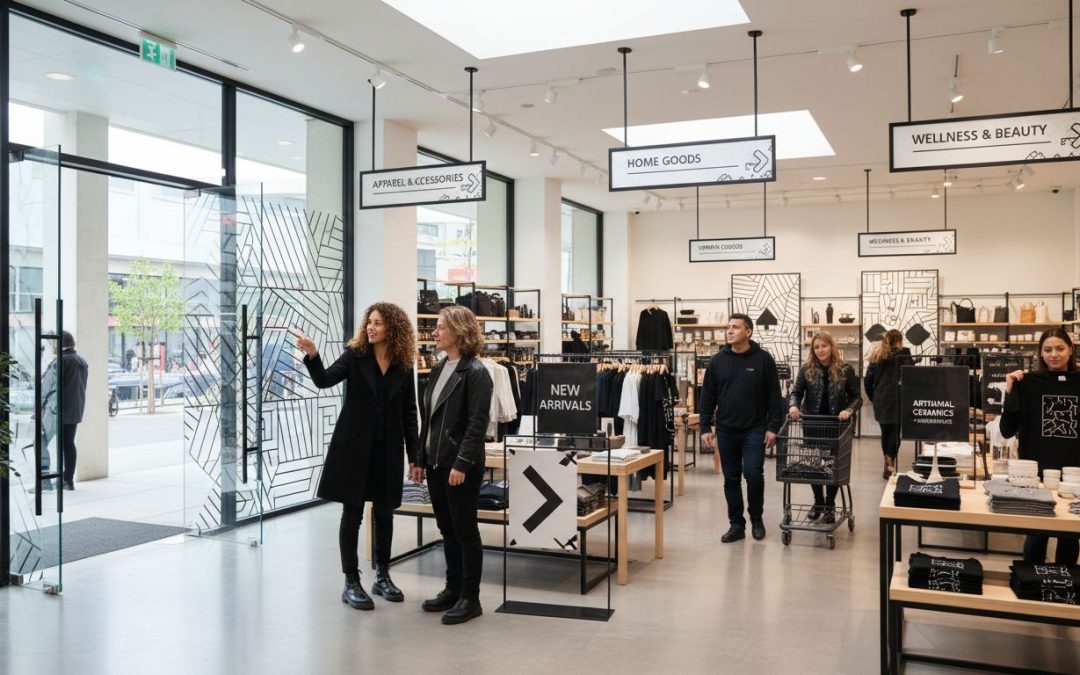
Nearly 75 percent of american shoppers report that clear signage directly influences where they choose to spend their money. The right signs can make or break a retail experience by guiding customers smoothly and increasing sales opportunities. Whether you own a boutique or a sprawling store, learning to optimize sign placement and design will help your business stand out and create a memorable in-store journey.
Table of Contents
- Step 1: Assess Store Layout And Foot Traffic Patterns
- Step 2: Identify Optimal Sign Locations For Maximum Exposure
- Step 3: Select Suitable Sign Types And Sizes
- Step 4: Install Signs According To Best Safety Practices
- Step 5: Verify Visibility And Adjust Placement As Needed
Quick Summary
| Key Insight | Explanation |
|---|---|
| 1. Assess Store Layout for Foot Traffic | Understand customer movement to optimize sign placement and enhance shopping experience. Identify high traffic zones for signage use. |
| 2. Find Strategic Sign Locations | Position signs in high visibility areas, such as entrances and checkout points, to maximize engagement and attract customers. |
| 3. Choose Appropriate Sign Types and Sizes | Select sign types and sizes that fit your space and effectively communicate your message without visual clutter or confusion. |
| 4. Install Signs Safely and Securely | Prioritize safety during installation to ensure customer access and prevent accidents. Proper mounting protects both customers and your investment. |
| 5. Verify and Adjust Sign Placements | Continuously assess sign visibility and effectiveness to remain responsive to changing customer behaviors and improve engagement strategies. |
Step 1: Assess Store Layout and Foot Traffic Patterns
Understanding and analyzing your retail store’s physical layout and customer movement patterns is crucial for strategic sign placement and maximizing business impact. According to research from Frontiersin, demographic and socioeconomic factors significantly influence consumer behavior and retail spatial dynamics.
To effectively map your store’s foot traffic, start by creating a detailed floor plan that tracks customer movement paths. Use colored markers or digital mapping tools to trace typical customer routes, identifying high traffic zones near entrance points, product displays, and checkout areas. Pay special attention to areas where customers naturally pause or congregate, as these locations represent prime opportunities for strategic signage placement. Look for natural bottlenecks or transition points where customers slow down and are more likely to absorb visual information.
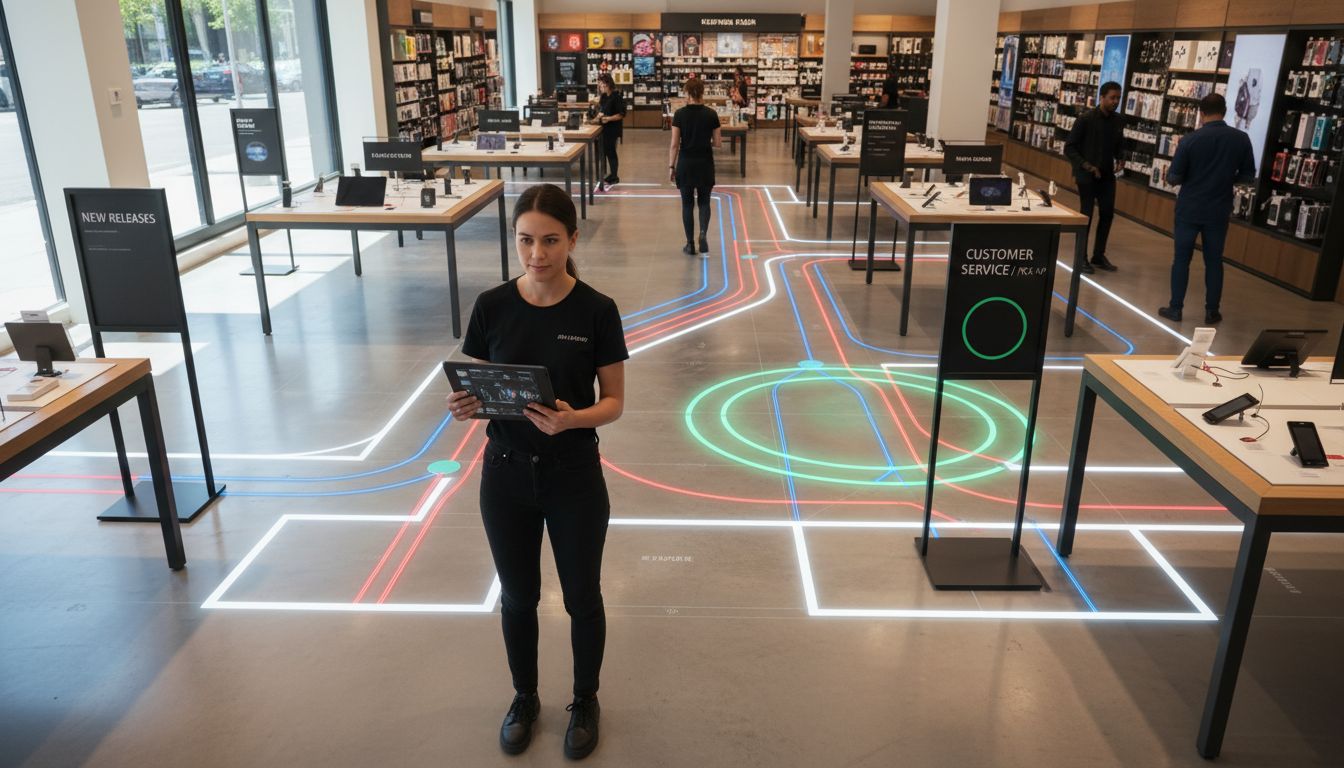
Warning: Avoid blocking primary traffic flows with signage. Your signs should enhance navigation and provide information without creating physical obstacles or disrupting customer movement. The goal is seamless integration of visual communication that guides and informs without impeding the shopping experience.
Step 2: Identify Optimal Sign Locations for Maximum Exposure
Identifying the most strategic locations for your retail signage can dramatically increase your business visibility and customer engagement. According to research from Climb, attractive and explicit signage can effectively draw in passersby by clearly communicating promotions and offerings.
Start by conducting a comprehensive visual audit of your storefront and interior spaces. Prioritize high visibility zones such as entrance points, window displays, checkout areas, and intersections between different store sections. Consider the natural eye level and movement patterns of your target customers. VTA recommends incorporating interactive and visually appealing elements that transform signage from mere information points to engaging customer experiences.
Warning: Avoid visual clutter. While multiple signs can seem like a good strategy, overcrowding can actually diminish the impact of your messaging. Select 3 to 5 key locations where signs will have the most significant impact, ensuring each sign serves a clear purpose and contributes to an intuitive customer navigation experience.
Step 3: Select Suitable Sign Types and Sizes
Selecting the right sign types and sizes is critical for creating an impactful visual communication strategy for your retail space. According to research from Climb, clear and attractive outdoor signage plays a crucial role in attracting customers and communicating promotions effectively.
Begin by assessing your specific business needs and physical space constraints. Consider different sign types such as window graphics, hanging signs, standing banners, and wall mounted displays. For interior spaces, focus on signs that guide customer movement and highlight key product areas. VTA recommends incorporating interactive and visually appealing elements that transform signage from simple information points to engaging customer experiences. Choose sign sizes that are proportional to your space small enough to avoid overwhelming the environment but large enough to capture attention from a reasonable distance.
Warning: Avoid one size fits all approaches. Each sign should be deliberately designed to serve a specific purpose whether wayfinding product information or promotional messaging. Test different sign placements and sizes to determine what works best for your unique retail environment and customer flow.
Step 4: Install Signs According to Best Safety Practices
Proper sign installation is crucial for creating a safe and accessible retail environment that protects both customers and your business investment. VTA highlights the importance of integrating safety considerations when installing interactive and artistic signage elements in retail spaces.
Begin by conducting a thorough assessment of your installation area. Ensure all mounting hardware is appropriate for your wall surface and can support the sign weight securely. For standing signs and banners, use stable bases that prevent tipping and create clear pathways that accommodate customer movement. Pay special attention to height clearances particularly in areas with high foot traffic to prevent potential head bumps or visual obstructions. Use professional mounting techniques that minimize protrusion from walls and ensure signs are firmly anchored to prevent accidental falls.
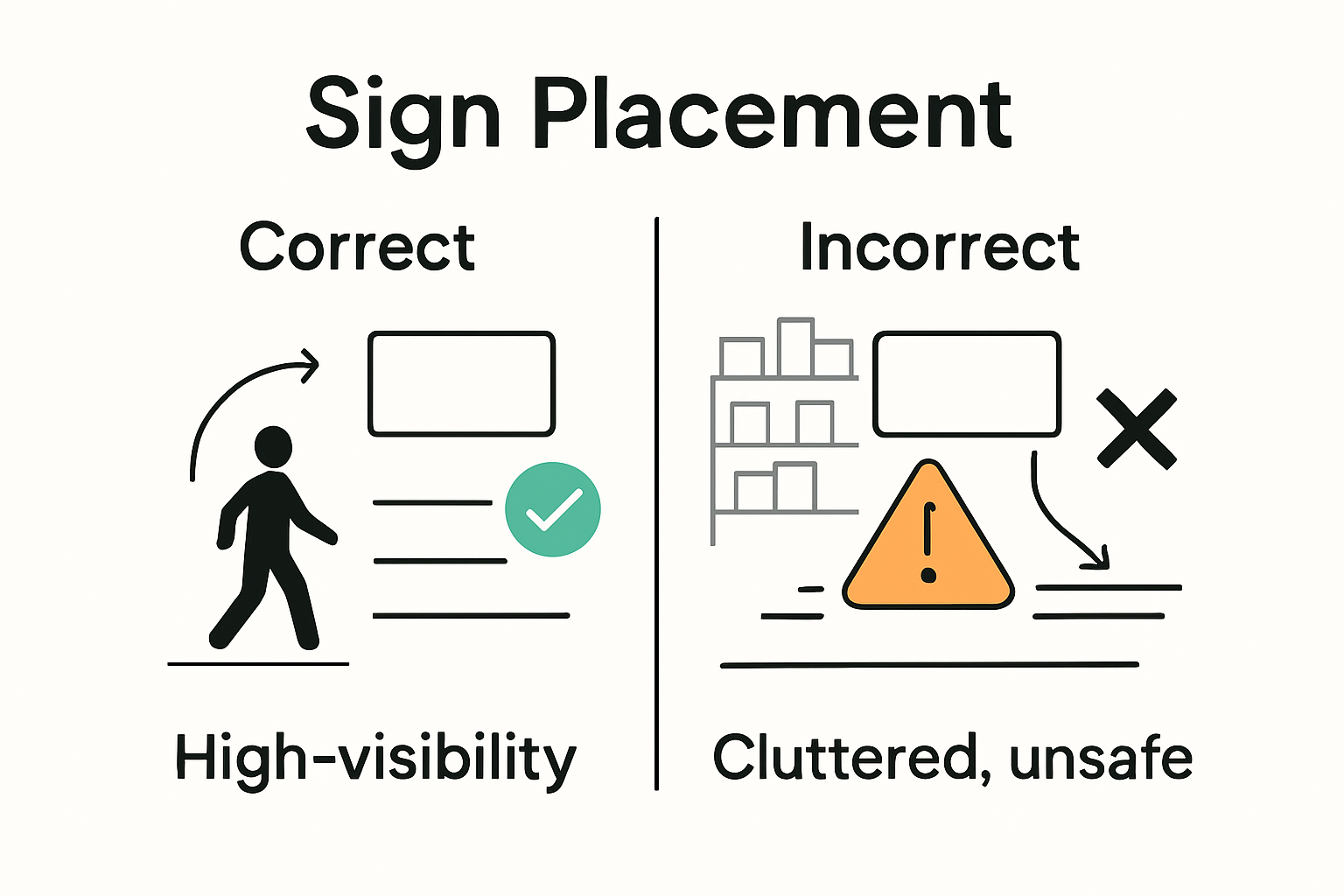
Warning: Never compromise safety for aesthetic appeal. Always prioritize secure installation methods that protect customers and comply with local building and accessibility regulations. Consider consulting a professional installer for complex or heavy signage to guarantee proper placement and minimize potential liability risks.
Step 5: Verify Visibility and Adjust Placement as Needed
Verifying and fine tuning your sign placement is a critical final step in creating an effective visual communication strategy for your retail space. According to research from Climb, businesses should continuously monitor the effectiveness of their outdoor signage and make strategic adjustments to maximize customer engagement and foot traffic.
Start by conducting a comprehensive visibility assessment from multiple perspectives and distances. Walk through your store and observe how signs appear from different customer entry points, traffic flow areas, and typical standing positions. VTA recommends evaluating the positioning of visual elements to ensure they create an optimal customer experience. Use a test phase where you temporarily mark potential sign locations and observe customer interactions document how people naturally move around and engage with these visual markers.
Warning: Do not become static in your approach. Sign placement is an ongoing process that requires periodic reevaluation. Customer behaviors change customer preferences shift and store layouts evolve so your signage strategy must remain flexible and responsive to these dynamic retail environments.
Unlock the Full Potential of Your Retail Signage Strategy
Struggling to find the perfect spots for your retail signs or unsure which types and sizes truly capture customer attention While the guide covers essential steps like assessing foot traffic patterns and avoiding visual clutter the real challenge is translating these insights into effective, high-quality signage that fits your unique space and brand. Common issues include inefficient sign placement that blocks traffic flow, signs too small to be noticed, or safety concerns that might hinder the shopping experience. With deliberate planning and expert execution, you can transform your store into a welcoming, well-marked environment that elevates customer engagement and drives sales.
Ready to make every sign count Our team at Custom Signs Today specializes in custom signs tailored for maximum impact inside and outside your retail space. From durable banners to eye-catching window graphics, we help you select the ideal sign types and sizes ensuring clear messaging without clutter. Learn practical tips on managing sign placement or explore our services to request a free quote now. Visit our Uncategorized category to discover versatile signage solutions crafted for your business success. Dont wait to turn foot traffic insights into real results. Start your signage transformation today at Custom Signs Today.
Frequently Asked Questions
How can I assess foot traffic patterns in my retail store?
To assess foot traffic patterns, create a detailed floor plan that tracks customer movement using colored markers or digital mapping tools. Identify high traffic zones, where customers pause or congregate, and analyze these areas to optimize sign placement.
What are the best locations to place retail signs for maximum visibility?
The best locations for retail signs include entrance points, window displays, and checkout areas where they will attract the most attention. Prioritize 3 to 5 key locations to ensure clear messaging and navigate customers effectively.
How do I choose the right types and sizes of signs for my store?
Selecting the right sign types and sizes involves assessing your business needs and physical space limitations. Choose sign types like window graphics or standing banners, ensuring they are proportional to their surroundings and effectively communicate your message from a reasonable distance.
What safety considerations should I keep in mind during sign installation?
During installation, ensure that all signs are mounted securely and do not obstruct customer movement to prevent accidents. Use stable bases for standing signs and double-check height clearances in areas of high foot traffic.
How often should I verify sign visibility and adjust their placement?
You should verify sign visibility regularly and adjust placements as needed based on customer interactions. Conduct assessments every few months or after any layout changes to maximize engagement and adapt to evolving customer behavior.
What should I do if my signage is not effectively engaging customers?
If your signage is not effectively engaging customers, reconsider their locations and designs. Conduct a visibility assessment from various angles and make necessary adjustments to enhance clarity and attraction.