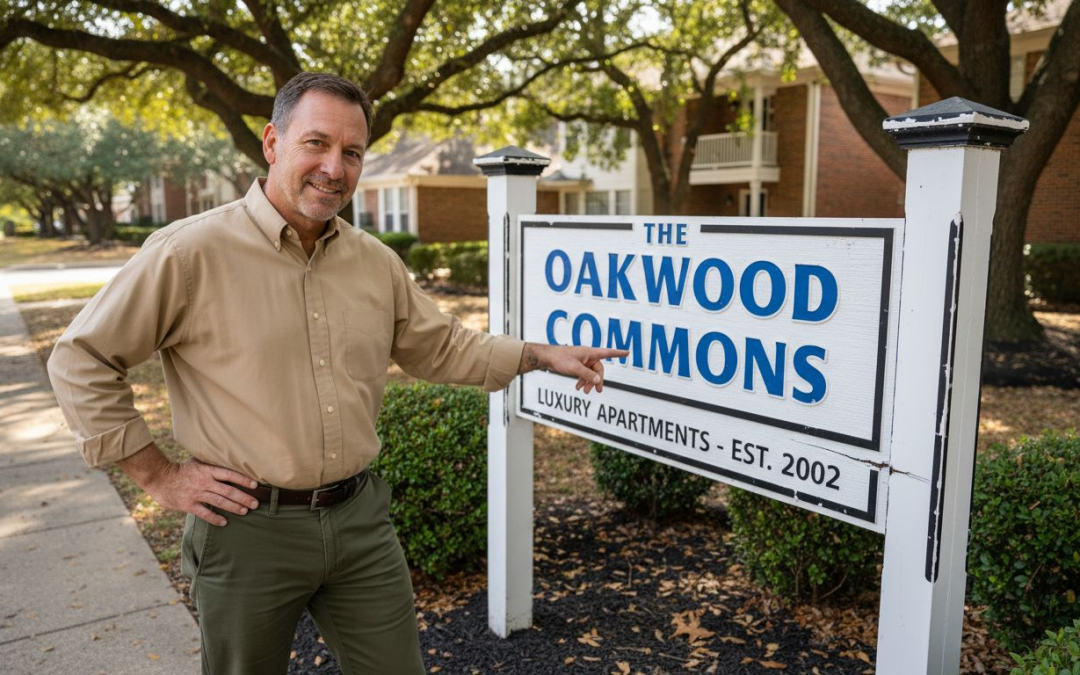
More than half of American property managers believe that an entrance sign can make or break a visitor’s first impression. Clear and attractive signage becomes essential when guiding emergency services, guests, and delivery drivers through large California residential complexes. This overview helps property managers understand what sets custom entrance signs apart and how these signs contribute to memorable branding and effortless navigation for every visitor.
Table of Contents
- What Are Property Entrance Signs?
- Popular Types for Residential Complexes
- Customization for Branding and Visibility
- California Regulations and Signage Compliance
- Durability, Materials, and Maintenance Costs
Key Takeaways
| Point | Details |
|---|---|
| Importance of Signage | Property entrance signs are essential for enhancing security and providing clear information at residential complexes. |
| Custom Design | Customization with appropriate branding elements enhances visibility and creates lasting impressions of the property. |
| Regulatory Compliance | Ensuring signs meet local regulations is critical for safety and effective communication with visitors. |
| Material Selection | Choosing durable materials reduces maintenance costs and ensures long-term performance under various environmental conditions. |
What Are Property Entrance Signs?
Property entrance signs serve as critical visual communication tools that provide essential information, enhance security, and create first impressions for residential complexes, neighborhoods, and private communities. These signs function as more than simple markers – they act as strategic gateways that welcome visitors while simultaneously controlling and directing access to specific properties.
Typically, welcome signs at property boundaries introduce visitors to a specific area, offering both informational and promotional purposes. They communicate important details such as property name, address, entry instructions, and potential restrictions. Advanced entrance signs might include elements like community logos, directional guidance, or specific access protocols that help visitors understand the property’s unique characteristics.
For property managers, these signs play a crucial role in accessibility and safety. Accessible entrance signage must meet specific requirements regarding height, visibility, and information clarity. This ensures that all visitors, including those with disabilities, can easily understand entry points, navigate the property, and comprehend any access control mechanisms.
These signs typically incorporate multiple functional elements:
- Identification of property or community name
- Street address or numerical identifier
- Directional information for visitors
- Security or access instructions
- Potential neighborhood or community branding
Pro tip: When designing property entrance signs, prioritize readability, use high-contrast colors, and ensure the sign remains visible from a reasonable distance to maximize effectiveness and visitor guidance.
Popular Types for Residential Complexes
Residential complexes have numerous sign types designed to meet specific communication and aesthetic needs. Identification sign varieties range from building-mounted options to comprehensive entry markers that effectively communicate essential property information.
Post and panel signs represent a primary entrance sign style for residential communities. These sturdy structures typically feature a prominent panel mounted on one or more supporting posts, allowing for comprehensive information display. They can incorporate community names, address details, neighborhood logos, and decorative elements that reflect the property’s unique character. Such signs are strategically positioned at main entrances to provide immediate visual orientation for residents and visitors.
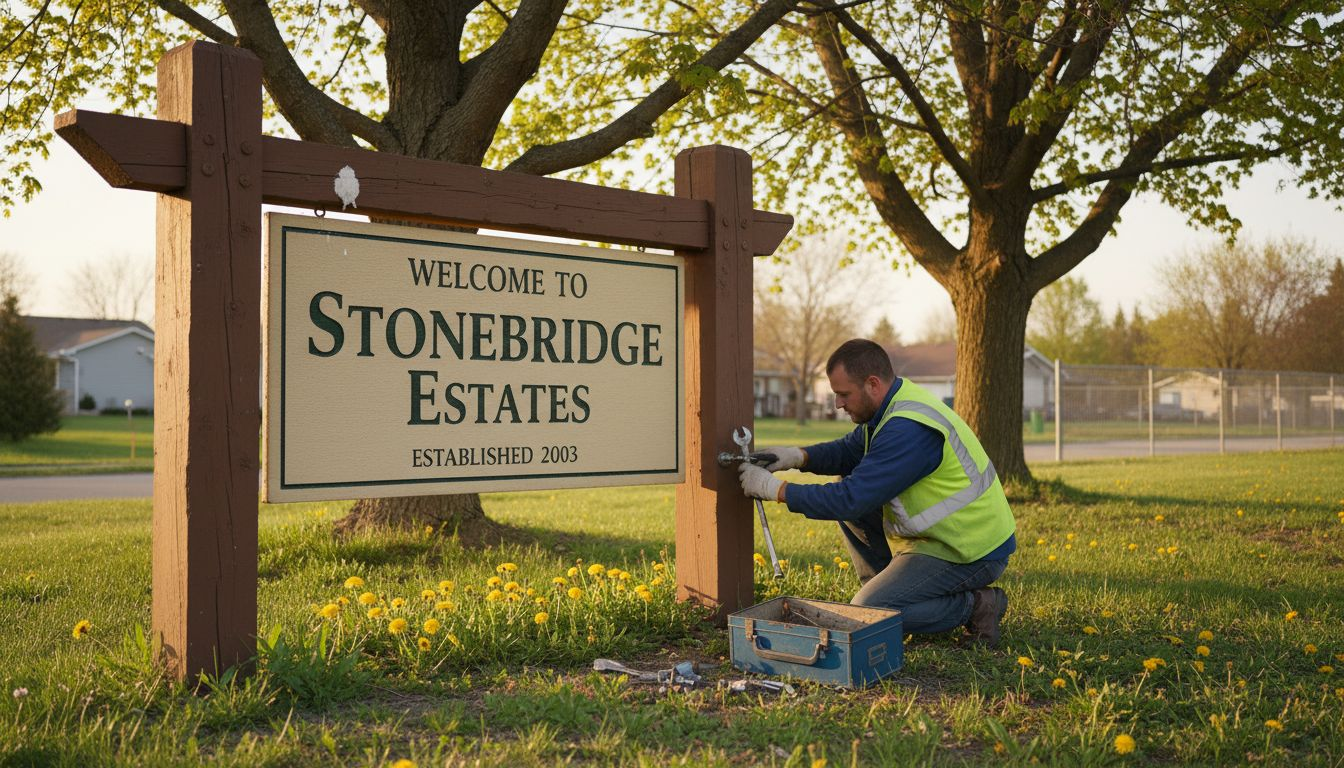
Welcome signs offer another critical signage option for residential complexes. Welcome signs at property boundaries serve multiple functions beyond mere identification. They can include artistic design elements, population information, community affiliations, and branding symbols that create a sense of identity and belonging. These signs often become iconic representations of the neighborhood, communicating both practical information and community spirit.
Common sign types for residential complexes include:
Here’s a quick comparison of popular residential entrance sign types and their advantages:
| Sign Type | Typical Use Location | Visual Impact | Maintenance Needs |
|---|---|---|---|
| Monument Signs | Main entrance, roadside | High, permanent | Low to moderate |
| Post and Panel Signs | Property boundaries | Versatile, customizable | Moderate |
| Illuminated Markers | Driveways, night entries | Very visible, modern | Moderate to high |
| Decorative Boundary Markers | Sidewalks, walkways | Subtle, aesthetic | Low |
- Monument signs (ground-mounted, substantial structures)
- Illuminated entrance markers
- Directional navigation signs
- Community identification panels
- Decorative boundary markers
Pro tip: Select entrance signs that complement your community’s architectural style and use materials that withstand local weather conditions to ensure long-lasting visual appeal and functionality.
Customization for Branding and Visibility
Property entrance signs are powerful branding tools that extend far beyond simple identification. Effective signage design requires strategic considerations of size, placement, lighting, and overall visual communication that reflects the property’s unique identity.
Successful customization involves carefully integrating brand elements that create immediate recognition. This means incorporating specific design components such as corporate color palettes, distinctive typography, and logos that communicate the property’s character. Customizable sign strategies emphasize creating signs that are both visually appealing and functionally informative, ensuring that the entrance marker serves multiple purposes beyond basic identification.
The visual impact of a customized entrance sign can significantly influence perception. Property managers should consider elements like material selection, architectural compatibility, and design complexity that align with the community’s overall aesthetic. Sophisticated entrance signs might feature laser-cut metalwork, illuminated panels, textured backgrounds, or dimensional lettering that creates depth and visual interest.
Key customization strategies include:
- Incorporating community logo design
- Matching architectural style of surrounding buildings
- Using high-contrast color schemes
- Integrating local cultural or historical references
- Selecting durable, weather-resistant materials
Pro tip: Consult a professional sign designer who can help translate your property’s unique brand personality into a visually compelling entrance marker that communicates identity and creates lasting first impressions.
California Regulations and Signage Compliance
Property entrance signs in California must adhere to strict regulatory requirements that prioritize safety, accessibility, and clear communication. Exit and directional sign regulations mandate specific standards for luminance, letter height, and visual contrast to ensure maximum visibility and legibility for all occupants.
Local jurisdictions like Los Angeles County impose additional nuanced requirements for signage placement and maintenance. Sign regulations in California emphasize preventing potential hazards such as glare or reflection that could compromise visual safety. These regulations cover multiple aspects including sign placement, lighting specifications, size limitations, and ongoing maintenance responsibilities.
Compliance involves careful consideration of several critical elements. Property managers must ensure signs meet precise technical standards, including minimum illumination levels, appropriate letter sizing, and high-contrast backgrounds that remain readable under various lighting conditions. Signs must also be strategically positioned to guide residents and visitors effectively while maintaining aesthetic standards that contribute to the property’s overall visual appeal.
Key regulatory compliance considerations include:
- Minimum luminance requirements
- Appropriate letter height and sizing
- High-contrast background specifications
- Proper placement at exit points
- Backup illumination for electrical signs
- Regular maintenance and damage prevention
Pro tip: Consult a local signage professional familiar with California’s specific regulatory landscape to ensure your property entrance signs meet all legal requirements and safety standards.
Durability, Materials, and Maintenance Costs
Property entrance signs demand strategic material selection and ongoing maintenance to ensure long-term performance and aesthetic appeal. Property maintenance standards require signs to withstand environmental challenges while maintaining safe and functional conditions throughout their service life.
Choosing appropriate materials becomes crucial in managing durability and maintenance expenses. Aluminum, powder-coated steel, high-density plastics, and marine-grade composites offer superior resistance to weathering, UV exposure, and temperature fluctuations. Planned preventative maintenance strategies help property managers minimize long-term replacement costs by implementing regular inspection and proactive repair protocols.
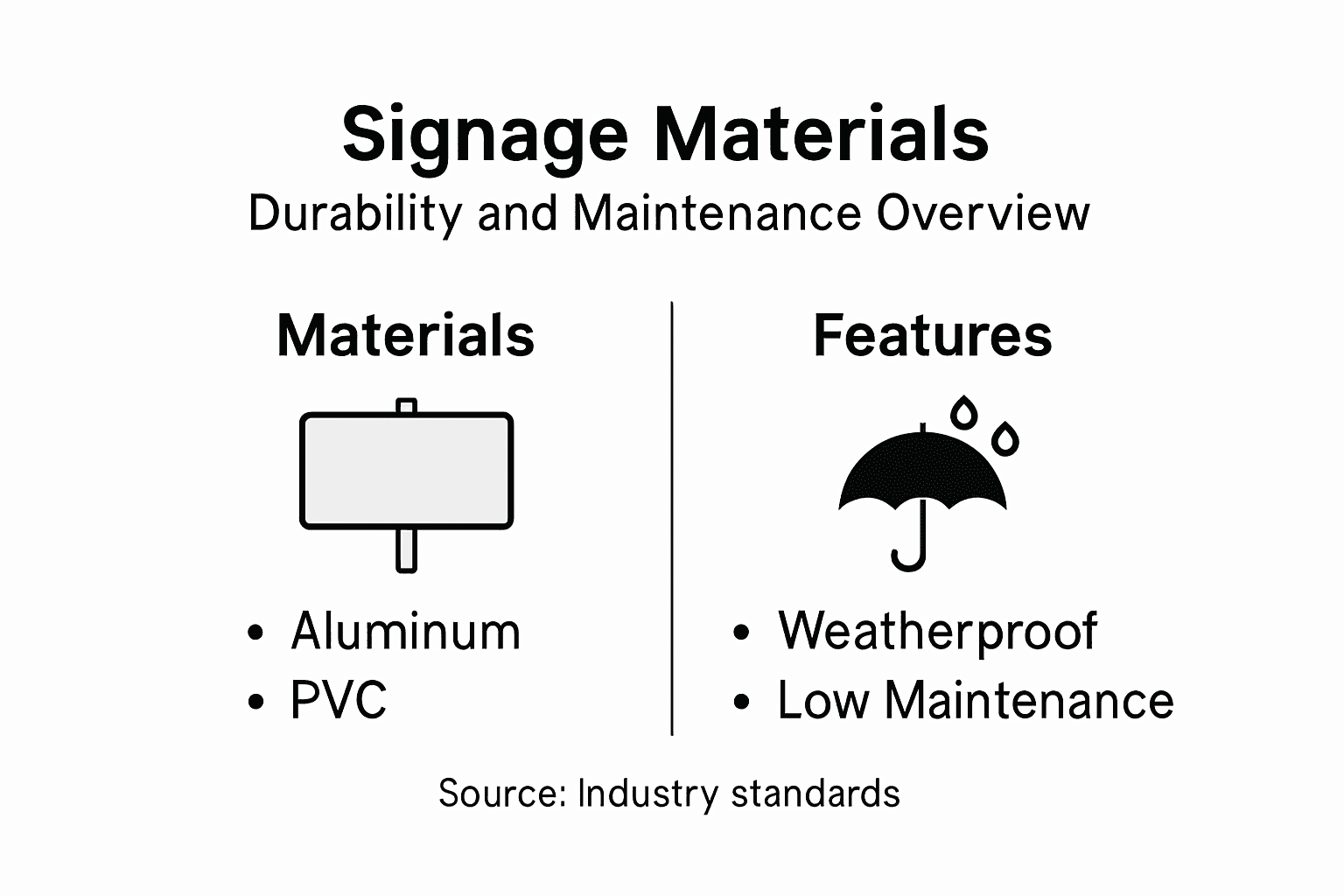
Maintenance costs vary significantly based on material selection, environmental conditions, and sign complexity. Factors like coastal salt exposure, extreme temperature ranges, and direct sunlight can accelerate material degradation. Professional-grade signs with protective coatings and robust construction might require higher initial investment but typically demonstrate substantially lower maintenance expenses over their operational lifetime.
Key considerations for sign durability include:
To help property managers optimize both branding and durability, consider this summary of material options:
| Material | Branding Potential | Weather Resistance | Cost Efficiency |
|---|---|---|---|
| Powder-Coated Steel | Supports detailed graphics | Excellent | Moderate |
| Aluminum | Adaptable to logos/colors | Exceptional | High |
| High-Density Plastic | Variety of shapes/colors | Good | Very high |
| Marine-Grade Composite | Textures and custom styles | Superior in harsh climates | Moderate to high |
- Material weather resistance
- UV protection capabilities
- Corrosion prevention techniques
- Structural integrity under stress
- Ease of cleaning and repair
- Long-term cost-effectiveness
Pro tip: Invest in professional-grade materials and schedule bi-annual professional inspections to catch potential issues before they become expensive repairs.
Enhance Your Property Entrance with Custom Signs That Deliver Safety and Style
Navigating the challenges of creating effective property entrance signs means balancing visibility, durability, and regulatory compliance. If you want to boost your community’s security while making a memorable first impression, you need signage solutions tailored to your unique needs. From high-contrast designs to weather-resistant materials, ensure your entrance signs not only comply with California regulations but also reflect your property’s identity.
Discover how custom signage solutions can transform your property entrances with professional craftsmanship and lasting quality. Visit Custom Signs Today now to explore a full range of customizable options designed to optimize visibility and safety. Take the next step in branding your property right—request a free quote and secure signage that stands the test of time.
Frequently Asked Questions
What are property entrance signs?
Property entrance signs are visual communication tools that provide essential information, enhance security, and create a first impression for a specific property, such as residential complexes or private communities. They help guide visitors while controlling access.
What types of entrance signs are commonly used in residential complexes?
Common types of entrance signs for residential complexes include monument signs, post and panel signs, illuminated markers, directional navigation signs, and decorative boundary markers, each with unique visual impact and maintenance needs.
How can property entrance signs enhance safety and accessibility?
These signs enhance safety and accessibility by providing clear identification, directional information, and access instructions. They must meet ADA requirements to ensure that all individuals, including those with disabilities, can easily understand and navigate the property.
What materials are recommended for durable property entrance signs?
Durable materials for property entrance signs include aluminum, powder-coated steel, high-density plastics, and marine-grade composites. These materials offer superior resistance to weather conditions, UV exposure, and other environmental challenges.