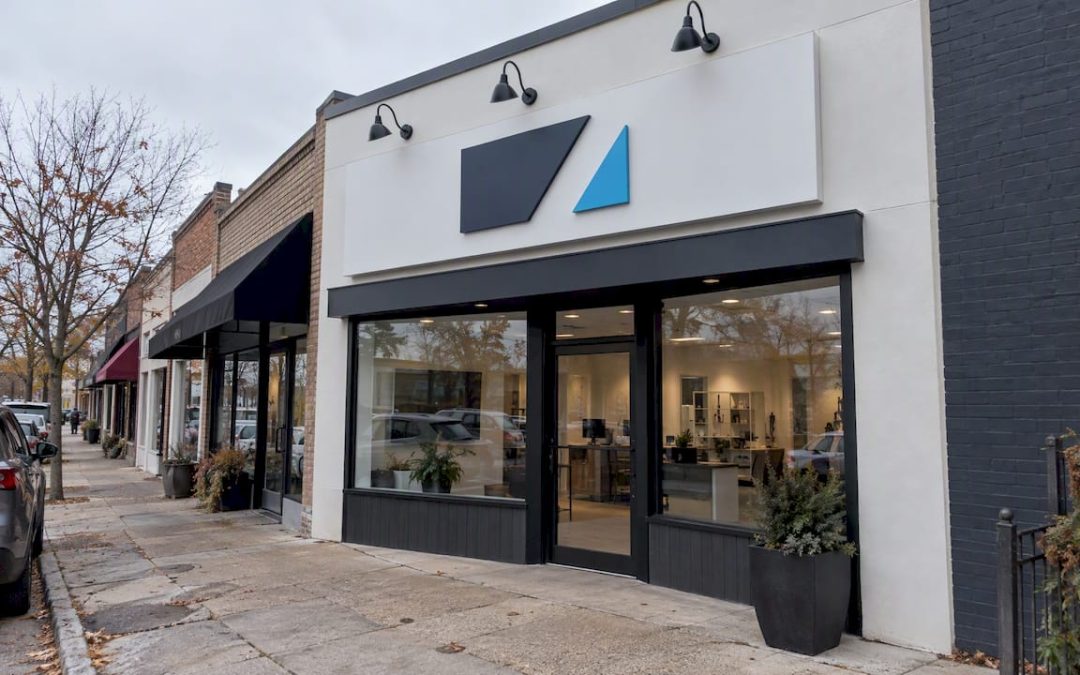
The most effective outdoor signs for small businesses fall into five categories: storefront channel letters for brand recognition, illuminated box signs for night visibility, monument or pylon signs for drive-by traffic, banners and A-frames for low-cost promotions, and vehicle wraps for mobile reach. Each works differently depending on your traffic type, budget, and location, and this guide covers the design rules, cost ranges, permitting steps, and maintenance habits that make any of them pay off.
TL;DR:
- Small businesses should prioritize one primary sign for identification and a secondary one for changing messages to enhance visibility and adaptability.
- Sign design must consider specific viewing distances, with minimum letter heights of about one inch per 40 feet of visibility, adjusted for road speed and placement.
- Cost ranges significantly: permanent illuminated signs average between $750 and $30,000, with installation and material factors influencing long-term expenses.
- Permits vary by location and include size, height, electrical, and structural requirements, which should be confirmed before finalizing sign design.
- Regular maintenance, including checking seals, cleaning surfaces, and inspecting hardware, extends sign longevity amid environmental exposure.
Table of Contents
- 1. Categorized outdoor sign ideas and where each one fits
- 2. How do you design a sign people can actually read?
- 3. What does an outdoor sign actually cost?
- 4. What permits should you expect before installing a sign?
- 5. How do you keep an outdoor sign looking good for years?
- 6. Which sign ideas fit your type of business?
- 7. Seasonal and event signage ideas worth planning for
- 8. Eco-friendly materials and environmental considerations
- 9. Should you hire a professional or design your own sign?
- 10. Get a custom sign designed and installed without the guesswork
- Sources
- FAQ
1. Categorized outdoor sign ideas and where each one fits
Storefront signs are the baseline every retail or service business needs. Channel letters, the individually lit or unlit letters mounted directly on a facade, give a business the cleanest brand presence and work for almost any storefront. Routed signs, where a design is cut into an acrylic or metal backing and often backlit, offer a more dimensional look for a similar footprint. 3D logo signs, raised letters or shapes mounted with standoffs, add depth and shadow that reads well in daylight and cost less to maintain than fully illuminated letters because they often skip the electrical component entirely.
Illuminated signs extend your visibility past closing-adjacent hours and into the evening commute. A lightbox sign, a backlit acrylic face inside a metal cabinet, delivers even color and high visibility but can look generic if the design is not distinct. Halo-lit letters, where light spills around the edges of the letterforms rather than through the face, create a premium look favored by boutique retailers and restaurants. LED tubing, shaped into script or outline forms, works well for secondary signage like open hours or specials but loses color fidelity at long range, so it is better suited to close-up window or entry displays than primary identification.
Roadside signs solve a different problem: getting noticed from a distance by someone driving, not walking. Monument signs, low ground-mounted structures often faced in brick or stone, suit professional offices and retail centers with setback from the road. Pylon signs, taller pole-mounted structures visible over other buildings and landscaping, matter most on highway frontage or in multi-tenant plazas where your storefront itself is not visible from the road. Both function as wayfinding as much as branding: they tell a driver where to turn before they are already past you.
Temporary and promotional signage is where most small businesses get the fastest return for the least money. Vinyl banners handle grand openings, sales, and seasonal promotions at a fraction of a permanent sign’s cost. Feather flags, the tall curved-top flags that catch wind movement, draw the eye from a distance and work well at the edge of a parking lot. A-frame sandwich boards sit directly on the sidewalk and are the single easiest way to add a changeable, low-cost message near your entrance.
- Window graphics and awnings add a second branding surface while giving awnings the extra job of weather protection over entries and outdoor seating.
- Vehicle wraps turn work trucks and company cars into mobile advertising, useful for any business that drives through multiple neighborhoods during the day.
- Digital signs justify their higher cost only when your messaging changes often enough to need it, such as daily specials or event schedules.
- Material-driven signs like punched metal, routed wood, or stone-faced monuments signal permanence and quality for businesses selling trust as much as product.
- Experiential signage, including murals, living green walls shaped into logos, and sculptural illuminated art, works for businesses that want to be a landmark, not just a label.
Window graphics deserve a closer look because they double as both marketing and function. A frosted or printed vinyl film on a storefront window can carry your logo, hours, and a rotating promotion without touching your primary sign budget, and it works alongside an awning that shields outdoor seating or an entrance from sun and rain. Restaurants and cafés lean on this combination more than any other business type because evening patrons read awning-mounted signage from the sidewalk long before they reach the door.
Digital signage sits apart from the rest of this list because it is the only format a business should be careful about defaulting to. The flexibility to swap messages daily is real, but digital signs require brightness controls and community coordination to avoid nuisance complaints, and that regulatory layer makes sense only when your message actually changes often enough to need it. A pizza shop running the same lunch special for three months is better served by a routed sign than a screen.
Pro Tip: Pick one primary sign for identification and one secondary format for changeable messages instead of trying to make a single sign do both jobs.
For a broader rundown of which format matches which storefront condition, see this overview of outdoor sign types for business.
2. How do you design a sign people can actually read?
Legibility is not a matter of taste, it is math. A widely used rule of thumb puts letter height at about 1 inch for every 40 feet of viewing distance, so a sign meant to be read from 200 feet away needs letters around 5 inches tall, and one meant to be read from a highway at 400 feet needs letters closer to 10 inches. Federal guidance on sign design and placement backs this with detailed tables, and the MUTCD design standards set minimum letter heights that vary by road speed and sign type, which is why a sign next to a 25 mph side street can run smaller copy than one facing a 45 mph arterial.
Four practical rules translate that guidance into a sign that works:
- Design to your longest significant viewing distance. If both pedestrians and drivers need to read the sign, size for the driver and let a smaller secondary sign handle close-range detail.
- Keep the message to one idea. A business name or single offer reads faster than a sign crowded with a tagline, phone number, and hours all at once.
- Choose high-contrast color pairs and a simple typeface. Thin script fonts and low-contrast combinations like gray on white lose legibility fast at distance and in low light.
- Check your cone of vision before finalizing placement. A sign mounted parallel to the road needs to be roughly 70% larger than one mounted perpendicular to the road to achieve the same legibility, because drivers see perpendicular signs for a longer window as they approach.
A practical legibility benchmark: the Sign Research Foundation’s testing tool lets designers check letter size, contrast, and placement against real visibility data before a sign goes to fabrication, which catches sizing mistakes before they become an expensive reprint.
Lighting adds another layer. Illuminated signs need to balance nighttime visibility against local brightness ordinances, and color rendering matters more than most owners expect: a sign lit with a low color-rendering index light source can make a carefully chosen brand color look muddy or shifted after dark. Older drivers and pedestrians also typically have reduced visual acuity and slower reaction times, which is part of why higher contrast and deliberate illumination choices matter even on a sign that looks fine in daylight. For a deeper walkthrough of these placement and lighting checks, this guide to building signage that gets noticed covers site-specific scenarios in more detail.
3. What does an outdoor sign actually cost?
Outdoor sign pricing spans a wide range because size, illumination, and installation complexity each move the number independently. Industry cost surveys put outdoor LED or digital signs between $750 and $30,000, channel letters between $4,000 and $20,000, and pylon or pole signs anywhere from $20,000 to $100,000, with lighted signs on the lower end running $500 to $5,000. Banners, A-frames, and window graphics sit well under any of those figures and are usually priced per project rather than per square foot of illuminated cabinet.
- Illumination adds cost twice: once for the fixtures and again for the electrical work needed to power and permit them.
- Pylon and monument signs carry hidden costs in the base: foundation work and wind-load engineering often add materially to the total before the sign itself goes up.
- Materials drive lifecycle cost, not just sticker price: a routed wood sign needs repainting on a cycle a metal or acrylic sign does not.
- Installation labor varies by mounting height and surface: a second-story channel letter install costs more in equipment rental alone than a ground-level A-frame.
Budget checklists work better than single numbers. Plan for design and proofing, the permit fee itself, any foundation or structural work for ground-mounted signs, electrical hookup for illuminated signs, and a small maintenance reserve for bulb replacement or recoating down the line. Signs function as what the International Sign Association calls a round-the-clock salesperson, and replacing a hard-to-read or outdated sign can significantly increase sales for businesses that were previously missed by passing traffic. That framing matters when comparing quotes: a sign is a multi-year marketing asset, not a one-time expense to minimize.
4. What permits should you expect before installing a sign?
Most municipalities regulate sign size, height, setback from the property line, and illumination separately from general building permits, and electrical permits are almost always required for any sign drawing power. Ground-mounted monument and pylon signs often need a separate structural or foundation permit on top of the sign permit itself, and skipping that step is one of the more common reasons installs get flagged after the fact.
- Confirm size and height limits with your local planning or zoning office before finalizing a design, since maximum dimensions vary block to block in many jurisdictions.
- Ask whether electrical work requires a licensed electrician’s permit filing, separate from the sign permit, if your design is illuminated.
- Check whether your sign needs a structural engineer’s stamp, which is common for pylon and monument signs due to wind load.
- Ask your fabricator directly about tactile and braille requirements, since most exterior signs that do not label a permanent room are generally exempt from those rules but still need to meet visual contrast guidelines.
Before signing a contract, ask any fabricator about site survey timing, who files the permit paperwork, the full install timeline, and what warranty covers the structure versus the electrical components. Fabricators who know local ordinances and submit compliant drawings up front are the main reason to hire a professional instead of designing and filing solo. Contractors managing their own site compliance across multiple trades may also find a permit compliance guide for construction projects useful background before approaching a sign permit the same way.
Pro Tip: Call your local zoning or planning office before you fall in love with a design, since a sign that violates height or size limits usually has to be remade, not just adjusted.
5. How do you keep an outdoor sign looking good for years?
Outdoor signs degrade from three directions: moisture, UV exposure, and vibration from wind or traffic. Sealed electrical enclosures keep moisture out of illuminated components, and a UV-stable finish on painted or printed surfaces slows the fading that makes a sign look tired well before it fails structurally.
- Inspect fasteners and mounting hardware twice a year for corrosion or loosening, especially on pole and pylon signs exposed to wind.
- Check seals around lightboxes and electrical housings before the rainy season in your region to catch gaps before water gets in.
- Clean faces and lenses regularly since dirt and grime cut into both daytime visibility and the light output of illuminated signs at night.
- Test bulbs, LED modules, and wiring on a schedule rather than waiting for a dark section to get noticed by customers.
- Adjust for local climate stress, since freeze-thaw cycles, salt air near coastlines, and high UV exposure each shorten different components’ lifespans.
A sign with a cracked face, flickering section, or faded color has crossed from a maintenance item into a replacement decision, particularly if the repair cost approaches what a fresh face or a new cabinet would run. For a full technical breakdown of materials and install methods that hold up longest outdoors, this complete guide to outdoor signs covers the subject in more depth.
6. Which sign ideas fit your type of business?
The right sign concept depends less on budget alone and more on how customers actually find you. A retail shop depends on foot traffic noticing the storefront, while a contractor depends on a truck being seen across town.
- Retail stores do best with bold channel letters for brand identification plus window graphics for rotating promotions, since both work together without competing for attention.
- Restaurants and cafés benefit most from an illuminated projecting sign paired with a branded awning, which together carry visibility into the evening and protect outdoor seating.
- Professional offices like law firms or medical practices read as more credible with a monument sign or a routed plaque, formats that favor permanence over flash.
- Contractors and construction businesses rely on site banners, post-and-panel signs at the job location, and vehicle graphics on work trucks, since most of their leads come from people noticing a truck or job site rather than a storefront. For businesses actively chasing more work this way, a guide to winning construction project leads covers the marketing side of that pipeline.
- Real estate agents lean on rider banners and A-frame signs for open houses, along with directional signage pointing buyers in from the nearest main road.
A detail worth separating out: for contractors and real estate agents, the sign often needs to move with the business rather than stay fixed to one address. A post-and-panel sign at an active job site, or a rider banner clipped onto a yard sign for an open house, functions less like branding and more like a weekly tool, and that changes how much you should spend on durability versus how fast you need a new one made. Retail and office signage, by contrast, is a once-every-several-years investment where getting the design right the first time matters more than reprint speed.
7. Seasonal and event signage ideas worth planning for
Seasonal signage earns its cost back fastest because it targets a specific, time-limited spike in foot traffic. Holiday banners, string lighting tied into an existing sign structure, and window clings for seasonal sales all let a business refresh its storefront without affecting the permanent sign.
Event-specific signage works similarly for grand openings, anniversary sales, or community events a business sponsors. A-frames and feather flags are the fastest to deploy and remove, which matters for anything lasting a weekend rather than a season. Retailers running a holiday push often pair a window cling campaign with a temporary banner over the entry, while restaurants use sidewalk A-frames to promote limited-time menus tied to a season.

The practical advantage of seasonal signage is that it lets a business test messaging cheaply. A banner that does not pull traffic can be swapped out in a week, while a permanent channel letter sign is a multi-year commitment that should only carry your core brand message. Treat seasonal signs as the experimental layer and permanent signs as the fixed layer, and budget each one accordingly rather than trying to make one sign do both jobs.
8. Eco-friendly materials and environmental considerations
Outdoor signage has an environmental footprint worth weighing alongside cost and durability. Recyclable aluminum and reclaimed wood substrates are increasingly available alternatives to standard PVC-based materials, and LED illumination draws meaningfully less power than older neon or fluorescent tube lighting while lasting longer between replacements.
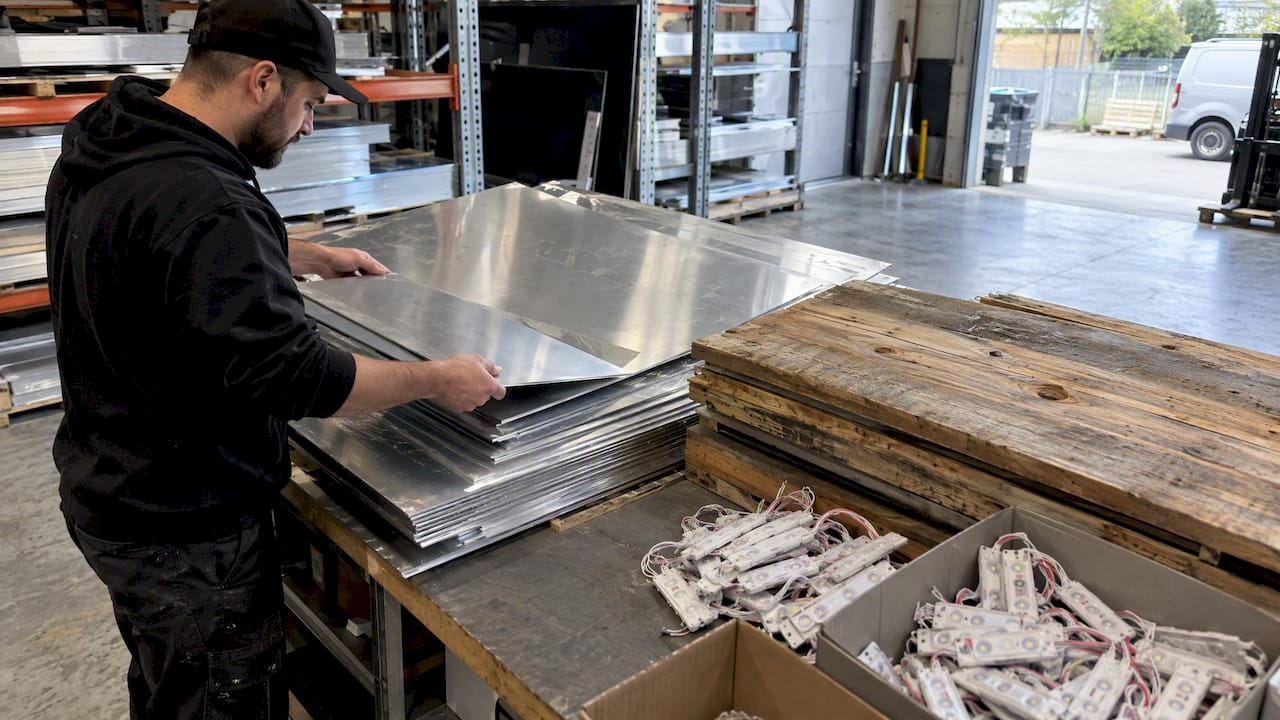
Solar-powered illumination is a practical option for monument and pylon signs in sunnier regions, cutting the electrical trenching and ongoing power cost that traditional illuminated signs require. Water-based inks and low-VOC coatings reduce the chemical footprint of printed banners and vinyl graphics without a meaningful difference in appearance or durability.
For a small business weighing these choices, the environmental angle usually lines up with the cost angle: LED lighting, recyclable substrates, and solar power all tend to lower long-term operating costs at the same time they reduce environmental impact, which makes the decision easier than it looks on paper.
9. Should you hire a professional or design your own sign?
A professionally fabricated sign earns its cost back through things a DIY approach cannot easily replicate: engineered mounting that survives wind load, correctly filed permits, and a design checked against legibility standards before it goes to production. A typical professional project moves through a site survey, design and proofing, permit filing, fabrication, installation, and a maintenance plan, in that order, and skipping the early steps is usually what causes rework later.
DIY signage can work for short-run promotional items like a sidewalk A-frame message or a seasonal window cling, where the cost of a mistake is low. For anything permanent, illuminated, or ground-mounted, the engineering and permitting stakes are high enough that a professional partner reduces real risk rather than just adding convenience.
— Yossi
10. Get a custom sign designed and installed without the guesswork
A professional signage provider can handle the full process a small business needs for outdoor signage: custom design, fabrication, and installation, plus help navigating local permit requirements so a new sign does not stall in a planning office. Services typically cover everything from storefront channel letters and illuminated signs to banners, vehicle wraps, and window graphics, allowing one fabricator to handle both permanent signs and seasonal promotions.
A free quote request typically starts with a short description of what you need, your location, and any size or placement constraints, and photos of your storefront or site help a designer gauge scale and mounting options before the first draft.
- Custom Signs covers primary storefront identification, from channel letters to routed logos.
- Exterior Signs covers monument, pylon, and other outdoor-specific formats built for weather and distance.
- Banners covers vinyl, retractable, feather, and mesh options for promotions and events.
- Vehicle Wraps and Vinyl Printing covers mobile advertising and window or wall graphics.
Start by requesting a free quote on the custom signs page and describe your space, budget range, and timeline so the design team can scope the project accurately.
Sources
- FHWA – Legibility testing (FHWA-HRT-15-027)
- Design & Placement of Signs – MUTCD (FHWA)
- How Much Does Commercial Sign Installation Cost? (HomeAdvisor)
- SRF legibility and visibility resources
FAQ
What are the unique outdoor business sign ideas?
Beyond standard storefront signs, options like halo-lit letters, routed wood or stone-faced monuments, murals, and living green signage shaped into a logo give a business a more distinctive look. Sculptural illuminated art and punched metal panels are less common choices that work well for businesses wanting to stand out as a landmark rather than just a label.
How much do outdoor signs cost for a business?
Costs vary widely by type: industry cost surveys put channel letters between $4,000 and $20,000, outdoor LED or digital signs between $750 and $30,000, and pylon or pole signs between $20,000 and $100,000. Banners, A-frames, and window graphics cost far less and are typically priced per project.
What is the best outdoor signage?
There is no single best format since the right choice depends on how customers find your business. Storefront channel letters suit foot-traffic retail, illuminated signs suit evening trade, and monument or pylon signs suit drive-by visibility from a road.
What do you call a sign outside a business?
It is commonly called an on-premise sign or storefront sign, and it functions as what the International Sign Association describes as a round-the-clock salesperson for the business. The term covers everything from channel letters to monument and pylon signs mounted on or near the property.