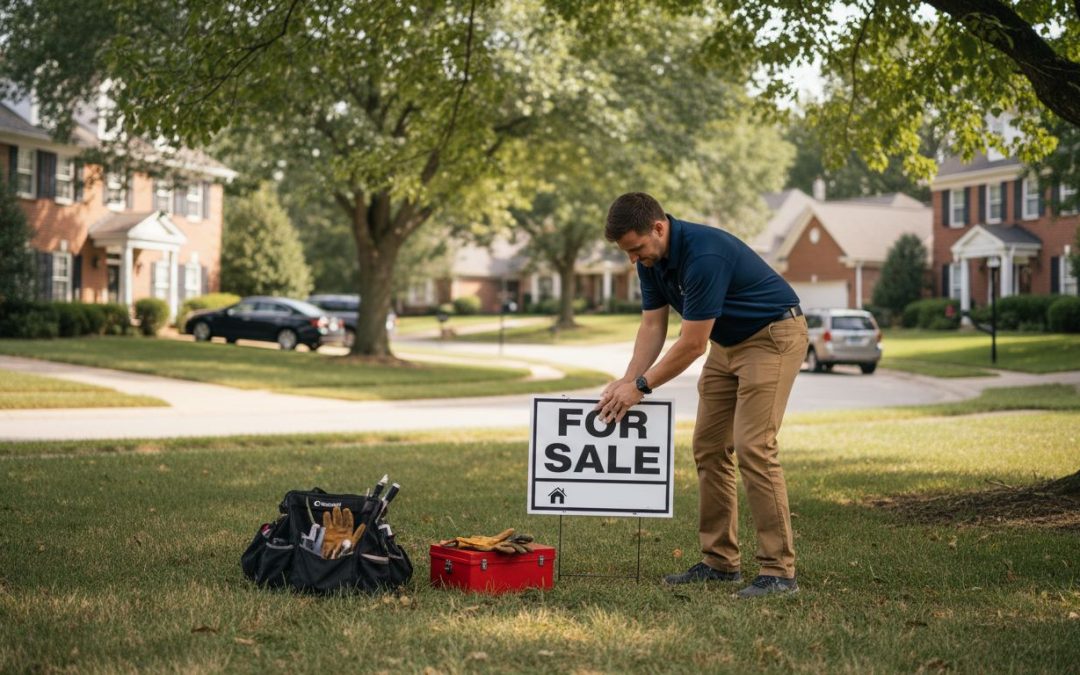
Over eighty percent of American homebuyers say that clear signage influences their decision to visit a property. The right real estate sign can turn a quick glance into a scheduled showing, making this first step in your strategy more important than you might think. By assessing your goals and market, you lay the groundwork for signs that catch attention and deliver your message effectively, helping you stand out in a crowded field.
Table of Contents
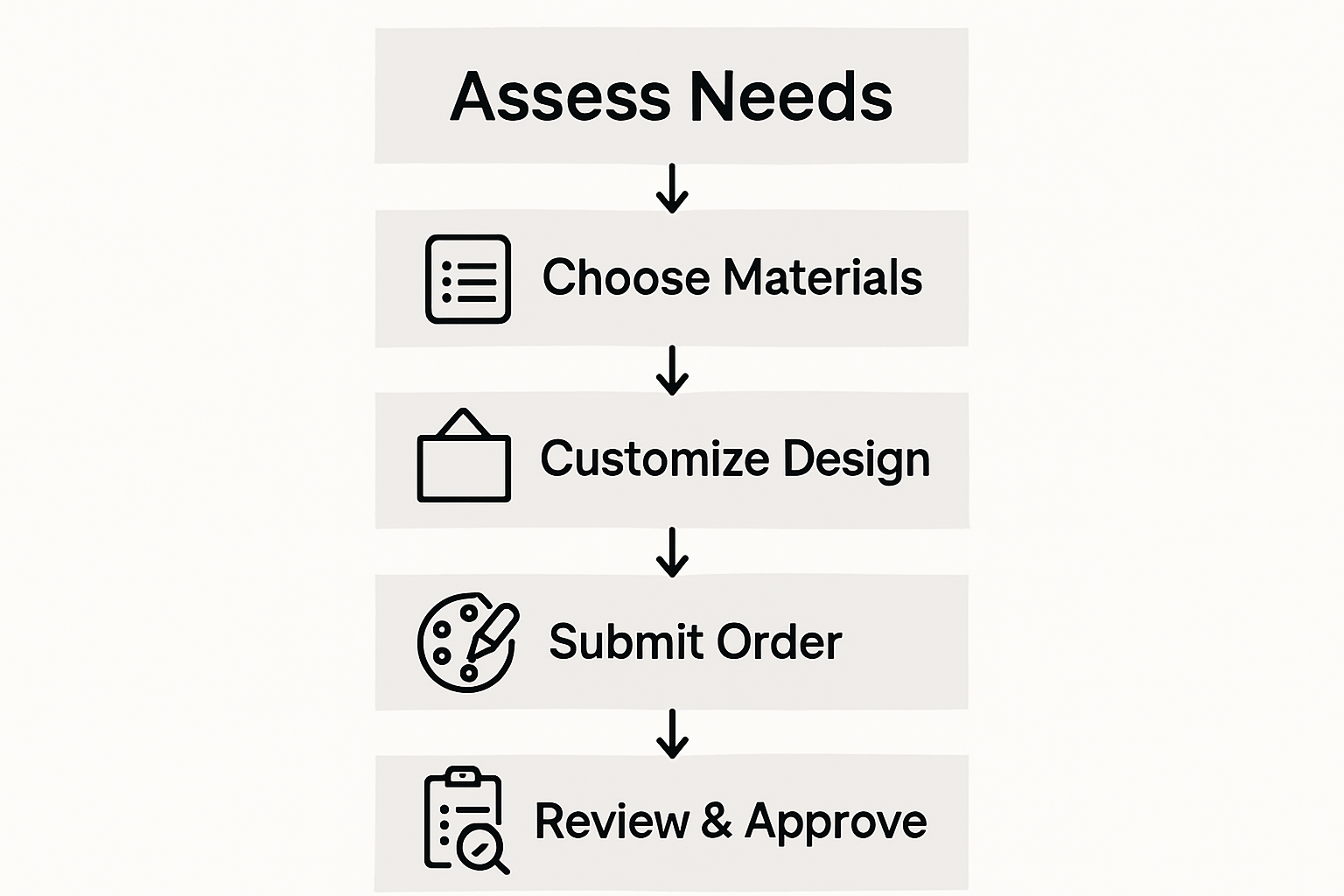
- Step 1: Assess Your Real Estate Signage Needs
- Step 2: Select the Right Sign Style and Material
- Step 3: Customize Your Sign Design and Message
- Step 4: Submit Order Details and Confirm Preferences
- Step 5: Review and Approve Your Order Before Production
Quick Summary
| Key Insight | Explanation |
|---|---|
| 1. Assess Your Signage Needs | Evaluate property type, location, and audience for effective sign design. |
| 2. Choose Appropriate Sign Materials | Select materials based on durability and environmental conditions for optimal performance. |
| 3. Craft a Concise Message | Include essential information clearly to attract potential buyers quickly. |
| 4. Submit Accurate Order Details | Provide comprehensive specifications to avoid errors in sign production. |
| 5. Review Before Production | Meticulously check all design elements to ensure clarity and correctness before printing. |
Step 1: Assess Your Real Estate Signage Needs
Designing the right real estate sign starts with a thorough assessment of your specific marketing requirements. Understanding the strategic purpose behind your signage will help you make informed decisions about design, size, and placement. Real estate signage strategies require careful planning to maximize visibility and impact.
Begin by evaluating key factors that will influence your sign selection. Consider the property type (residential, commercial, vacant land), location characteristics, target audience, and local market dynamics. Some critical questions to answer include: What information must be prominently displayed? Will the sign be mounted on the property, placed near a roadway, or used during open house events? Your sign needs to communicate essential details quickly and professionally while reflecting your brand identity.
Pro tip: Location matters significantly. Key examples of effective real estate signs demonstrate that signs positioned at high traffic areas with clear visibility can dramatically increase potential buyer engagement. Pay attention to local zoning regulations, potential visual obstructions, and optimal viewing angles to ensure your sign performs its marketing function effectively.
Step 2: Select the Right Sign Style and Material
Choosing the perfect sign style and material is crucial for creating a professional and effective real estate marketing tool. Sign selection strategies require careful consideration of multiple factors that impact your sign’s performance and durability.
Professional sign materials range from aluminum and corrugated plastic to high-density foam and wooden substrates. Each material offers unique advantages depending on your specific needs. Outdoor sign fundamentals suggest considering environmental conditions like wind exposure, sunlight intensity, and potential moisture when selecting your sign material. Aluminum signs work great for long term outdoor use, while corrugated plastic provides an affordable option for short term marketing campaigns.

Pro tip: When selecting your sign style, prioritize readability and visibility. Factors like sign size, color contrast, and typography can significantly impact how quickly potential buyers can absorb information. Research from the Sign Research Foundation emphasizes that sign design should balance aesthetic appeal with clear communication, ensuring your real estate sign effectively captures attention and conveys critical property information.
Step 3: Customize Your Sign Design and Message
Creating an impactful real estate sign requires thoughtful design and strategic messaging that instantly communicates key property details. Custom sign design principles emphasize the importance of clear, concise communication that captures potential buyers attention within seconds.
When developing your sign message, focus on critical information potential buyers need most. Include essential details like property price, square footage, number of bedrooms and bathrooms, contact information, and any unique selling points. Sign design research suggests understanding your target audience and tailoring your message to their specific interests and needs. Typography plays a crucial role select fonts that are easily readable from a distance and maintain high contrast between text and background colors.
Pro tip: The Sign Research Foundation recommends balancing aesthetic appeal with functional clarity. Your sign should not only look professional but also communicate information quickly and effectively. Avoid cluttering your design with excessive text or graphics that might distract from the key message. Remember that your sign is essentially a mobile advertisement working to attract potential buyers and generate immediate interest in the property.
Step 4: Submit Order Details and Confirm Preferences
Submitting your real estate sign order requires careful attention to detail and precise communication of your specific requirements. Sign submission protocols emphasize the importance of providing comprehensive information to ensure accurate production and delivery of your custom signage.
When completing your order, be prepared to provide detailed specifications including sign dimensions, material type, color scheme, typography preferences, and any specific graphic elements. Signage approval processes recommend thoroughly reviewing all design elements before final submission. Double check contact information, property details, and any marketing text to guarantee accuracy. Most online ordering platforms will require you to upload your design or work with their design team to finalize the sign layout.
Pro tip: Create a digital mockup of your sign before submitting the final order. This allows you to visualize the end product and make necessary adjustments. Verify that all text is legible from a distance, colors meet your branding requirements, and essential information is prominently displayed. Pay special attention to contact information and key property selling points to ensure maximum visibility and impact.
Step 5: Review and Approve Your Order Before Production
The final review stage is critical to ensuring your real estate sign meets all your marketing requirements and professional standards. Signage design guidelines emphasize the importance of meticulous examination before final production to prevent potential errors or miscommunication.
Carefully scrutinize every detail of your sign design including typography, color accuracy, contact information, property details, and overall visual composition. Approval protocols recommend a systematic review process that verifies each element independently. Check that font sizes are readable from a distance, color contrasts are sharp, and all text is grammatically correct and free of typographical errors. Request a digital proof or mock up if possible to get a realistic preview of the final product.
Pro tip: Create a personal checklist for your sign review. Focus on key verification points like readability, brand consistency, and essential information visibility. Pay special attention to contact details such as phone numbers and website information to guarantee potential buyers can reach you quickly and easily. A thorough final review can save you time and money by catching potential issues before the sign goes into production.
Streamline Your Real Estate Sign Ordering with Expert Custom Solutions
Ordering real estate signs can feel overwhelming when you want a fast and easy setup that captures attention and communicates clearly. This article highlights common challenges such as choosing the right style, materials, and message to ensure your sign stands out. If you are looking to avoid costly mistakes and delays while maximizing buyer engagement, partnering with a trusted signage provider is key.
At Custom Signs Today, we specialize in helping real estate professionals create custom signs that deliver high visibility and clear messaging. Whether you need durable aluminum signs for long-term outdoor use or affordable temporary options, our expert team guides you through every step from design to production. Explore our versatile range of offerings in the Uncategorized category for ideas and solutions that fit your marketing goals.
Take control of your property marketing now by visiting Custom Signs Today. Request a free quote or consult with our design specialists to craft signs that make an impact. Don’t wait for another potential buyer to pass by—get your custom real estate signs delivered with speed, quality, and professionalism.
Frequently Asked Questions
How do I assess my real estate signage needs?
To assess your real estate signage needs, start by considering the property type, location, target audience, and key information that must be displayed. Evaluate factors such as visibility, placement, and marketing objectives to ensure your signage effectively reaches potential buyers.
What materials should I consider when selecting a real estate sign?
When choosing materials for your real estate sign, consider options like aluminum, corrugated plastic, and high-density foam. Each material has its advantages depending on your marketing campaign duration and environmental conditions; for example, aluminum is great for long-term outdoor use while corrugated plastic is budget-friendly for short-term displays.
What key elements should I include in my sign design and message?
Your sign design and message should include essential property details such as price, square footage, number of bedrooms and bathrooms, and contact information. Prioritize readability and use high-contrast colors and clear fonts to ensure potential buyers can absorb key information quickly from a distance.
What should I cover when submitting my order for real estate signs?
When submitting your order for real estate signs, provide detailed specifications like dimensions, material type, color scheme, and typography preferences. Ensure you double-check all details and confirm that any graphics or text are accurately portrayed, as this will help prevent errors during production.
How can I effectively review my sign design before approval?
To review your sign design effectively, create a checklist that focuses on readability, accuracy, and overall visual appeal. Verify that all text is legible, contrasts well, and is grammatically correct to ensure your sign effectively captures potential buyers’ attention without any issues before it goes into production.
Recommended
- Custom Signs Today | West Palm Beach Sign Services
- Real Estate Signage Guide: Create Impactful Signs –
- Best Outdoor Signs for Real Estate – Expert Comparison 2025 –
- 7 Key Examples of Real Estate Signs to Boost Sales –
- Understanding Digital Signage for Offices: Key Insights – Projector Display