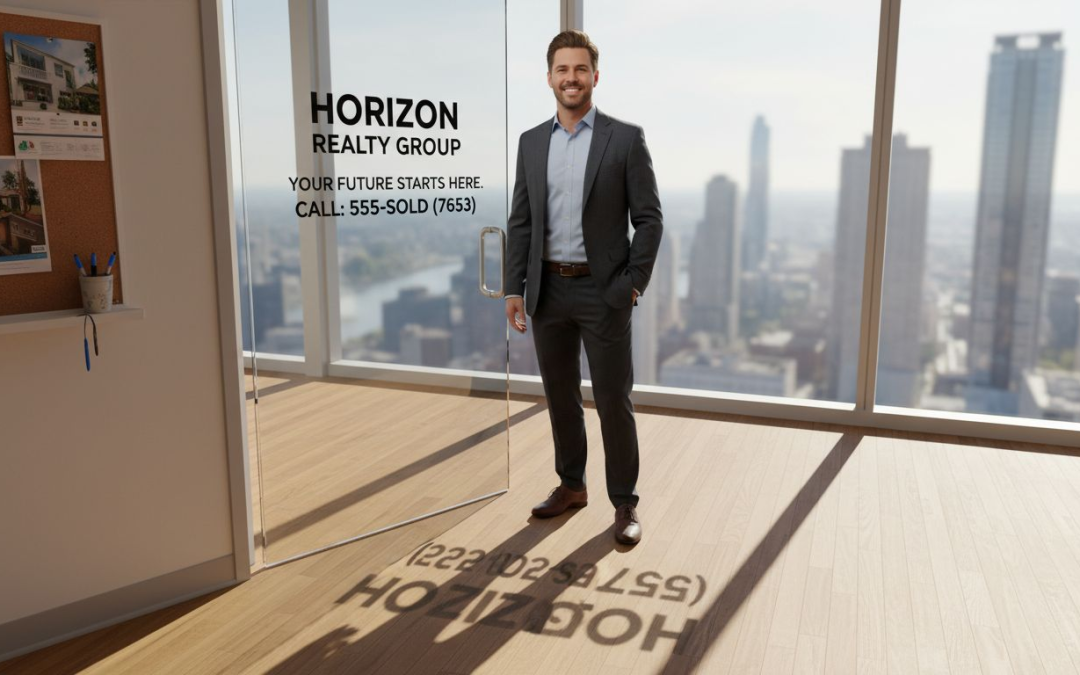
Standing out on a crowded corner with property listings can feel challenging for even the most experienced American real estate agent. Clear, consistent signage is no longer just a detail—it is a key tool for attracting clients and reinforcing your brand. With vinyl lettering offering highly customizable designs and versatile application on vehicles, storefronts, and property signs, local agents gain a professional branding solution that endures harsh weather and captures attention from every potential buyer passing by.
Table of Contents
- What Is Vinyl Lettering And How It Works
- Different Types Of Vinyl Lettering
- Key Features For Real Estate Signage
- Installation, Removal, And Maintenance
- Costs, Risks, And Common Mistakes
Key Takeaways
| Point | Details |
|---|---|
| Vinyl Lettering as a Branding Tool | Vinyl lettering is an effective way for real estate professionals to enhance their brand visibility through custom, visually appealing designs. |
| Surface Selection Matters | Choosing the right surface for vinyl application is critical to ensure durability and compliance with local regulations. |
| Typography and Design | Selecting appropriate lettering styles and finishes can significantly impact the perception of a real estate brand. |
| Maintenance and Installation | Proper installation and maintenance extend the lifespan of vinyl lettering, ensuring continuous brand representation. |
What Is Vinyl Lettering and How It Works
Vinyl lettering is a specialized graphic design technique that transforms plain surfaces into powerful communication platforms for real estate professionals. Drawing letters with precision allows agents to create visually striking brand identities that capture potential clients’ attention.
At its core, vinyl lettering involves creating custom letter decals made from high-quality adhesive vinyl material. These versatile graphics can be applied to various surfaces like vehicle windows, storefront displays, property signage, and marketing materials. The process involves several key steps:
- Computer-aided design of custom letters and graphics
- Precision cutting of vinyl sheets using specialized equipment
- Careful application of letters onto clean, smooth surfaces
- Removal of transfer tape to reveal crisp, professional lettering
Vinyl lettering provides real estate agents with a professional branding tool that offers multiple advantages:
- Highly customizable design options
- Durable and weather-resistant materials
- Cost-effective marketing solution
- Quick application and simple maintenance
- Ability to create consistent brand messaging
Real estate professionals can leverage vinyl lettering to transform ordinary marketing materials into powerful brand communication channels. Whether applied to vehicle wraps, open house signs, or office windows, these graphics create a cohesive and memorable visual identity.

Here’s a quick reference comparing vinyl lettering surfaces for real estate use:
| Application Surface | Benefits | Challenges |
|---|---|---|
| Vehicle Windows | Mobile advertising, broad reach | Requires weatherproof materials |
| Storefronts | High visibility, brand presence | May need local permit compliance |
| Property Signs | Direct property promotion | Must withstand outdoor conditions |
| Office Windows | Professional impression | Needs interior-friendly adhesive |
This helps agents choose the best surface for their marketing needs.
Pro tip: Select vinyl letter colors that complement your agency’s existing brand palette to maximize visual consistency and professional appeal.
Different Types of Vinyl Lettering
Vinyl lettering offers real estate professionals a versatile array of design options to create impactful brand messaging. Lettering styles range from simple to complex, providing agents with multiple ways to communicate their unique brand identity through graphics.
The most common vinyl lettering styles for real estate professionals include:
- Block Lettering: Clean, straightforward, and highly readable
- Sans-Serif Fonts: Modern and professional appearance
- Serif Fonts: Traditional and established look
- Brush-Style Lettering: Creative and personalized aesthetic
- Decorative Lettering: Unique and eye-catching designs
Each lettering style communicates a different brand personality. Block lettering suggests reliability and directness, while brush-style lettering implies creativity and personal touch. Vinyl materials offer various finishes that can further enhance the visual impact, including:
- Matte finishes for subtle, professional appearances
- Glossy finishes for high-visibility signage
- Translucent options for layered design effects
- Metallic finishes for premium branding
Choosing the right vinyl lettering style depends on multiple factors, including the intended surface, viewing distance, and the specific marketing message. Real estate agents should consider their target audience, property type, and brand positioning when selecting a lettering approach.
Compare the impact of different vinyl finishes for real estate branding:
| Finish Type | Visual Effect | Best Use Case |
|---|---|---|
| Matte | Subtle, minimal glare | Professional office windows |
| Glossy | Bright, stands out | Temporary open house signs |
| Metallic | Premium, attracts attention | Luxury property signage |
| Translucent | Stylish, layered look | Modern retail displays |
Select a finish that supports your brand positioning and environmental needs.
Pro tip: Conduct a brand audit before selecting vinyl lettering to ensure your chosen style aligns perfectly with your agency’s visual identity and target market.
Key Features for Real Estate Signage
Vinyl lettering for real estate signage requires strategic design and technical precision to maximize marketing effectiveness. High-contrast signage with durable materials ensures visibility and professional brand representation across diverse marketing environments.
The most critical features of effective real estate signage include:
- UV Resistance: Prevents color fading and material degradation
- Weatherproof Adhesives: Ensures long-term outdoor durability
- Clear Legibility: Maximizes readability from varying distances
- Non-Reflective Finishes: Reduces visual glare and improves comprehension
- Contrasting Color Schemes: Enhances visual impact and recognition
Typography plays a crucial role in sign effectiveness. Real estate professionals should prioritize:
- Simple, bold font selections
- Minimal ornamental elements
- Large, easily readable letter sizes
- Strategic letter spacing
Compliance with local sign regulations is equally important. Signs must meet accessibility standards and local zoning requirements while maintaining a professional aesthetic that represents the real estate brand effectively.
Environmental adaptability distinguishes high-quality vinyl lettering. Signs must withstand temperature fluctuations, moisture exposure, and direct sunlight without compromising visual integrity or message clarity.
Pro tip: Invest in professional design consultation to ensure your vinyl lettering meets both aesthetic and regulatory requirements for maximum marketing impact.
Installation, Removal, and Maintenance
Vinyl lettering requires meticulous preparation and careful handling to ensure professional results for real estate marketing materials. Surface preparation is critical to achieving long-lasting, high-quality graphic applications that represent your brand effectively.
Key steps for successful vinyl lettering installation include:
- Clean surface thoroughly
- Remove all dust, grease, and debris
- Ensure surface temperature is between 50-90 degrees Fahrenheit
- Use appropriate cleaning solutions for specific surface types
- Allow surface to dry completely before application
The installation process demands precision and attention to detail:
- Alignment Tools: Use measuring tape and level for perfect positioning
- Application Technique: Apply from center outward to prevent air bubbles
- Pressure Application: Use soft squeegee for smooth, even adhesion
- Temperature Considerations: Avoid direct sunlight during installation
- Air Bubble Removal: Gently push out bubbles with soft cloth or squeegee
Maintenance and removal require equally strategic approaches. Regular cleaning with soft, non-abrasive cloths and mild cleaning solutions helps preserve vinyl lettering’s appearance. When removing lettering, use heat gun or professional adhesive remover to minimize surface damage.
Proper maintenance extends vinyl lettering’s lifespan and maintains your professional brand image.
Pro tip: Invest in professional-grade application tools and practice on smaller surfaces before tackling critical signage to minimize potential installation errors.
Costs, Risks, and Common Mistakes
Vinyl lettering investments require careful financial and strategic planning for real estate professionals. Signage research reveals critical cost considerations that directly impact marketing effectiveness and brand representation.
Typical cost factors for vinyl lettering include:
- Material quality and complexity
- Letter size and design intricacy
- Professional installation fees
- Surface preparation requirements
- Anticipated maintenance expenses
Potential risks can significantly impact long-term vinyl lettering performance:
- Environmental damage from UV exposure
- Moisture-related deterioration
- Physical abrasion and wear
- Non-compliance with local signage regulations
- Reduced visual effectiveness
Cost analysis for real estate signage demonstrates that strategic investment yields substantial marketing benefits. Real estate agents must consider not just initial expenses, but long-term value and brand consistency.
Common mistakes that can compromise vinyl lettering include:
- Inadequate surface preparation
- Improper alignment and positioning
- Overcomplicated design reducing readability
- Selecting inappropriate letter sizes
- Neglecting environmental protection strategies
Strategic planning and professional execution minimize risks and maximize vinyl lettering’s marketing potential.
Pro tip: Request detailed quotes from multiple providers and factor in long-term maintenance costs when budgeting for vinyl lettering projects.
Elevate Your Real Estate Brand with Custom Vinyl Lettering Solutions
Vinyl lettering is a powerful tool for real estate professionals striving to create a memorable and consistent brand image that stands out. If you are facing challenges like choosing the right design style, ensuring durability, or complying with local signage regulations then our tailored solutions at Uncategorized offer the perfect answer. We specialize in custom vinyl lettering crafted from high-quality materials that guarantee weather resistance, UV protection, and professional finishes ideal for vehicle windows, storefronts, and property signs.
Take your marketing to the next level by partnering with a trusted signage provider. Visit https://customsignstoday.us today to explore our extensive range of services including vehicle wraps, decals, and real estate-specific signs. Get a free quote and start building a visual identity that captures attention, communicates your unique brand personality, and drives results. Don’t let ordinary signage hold back your success—act now to create standout vinyl lettering that truly reflects your expertise.
Frequently Asked Questions
What is vinyl lettering and how is it used in real estate branding?
Vinyl lettering is a graphic design technique that involves creating custom letter decals from adhesive vinyl material. It’s used in real estate branding to create impactful visuals on surfaces like vehicle windows, storefronts, and property signs, enhancing brand visibility and communication.
What are the advantages of using vinyl lettering for real estate marketing?
Vinyl lettering offers several advantages, including highly customizable designs, durability, weather resistance, cost-effectiveness, quick application, and the ability to maintain consistent brand messaging across various marketing materials.
How do I choose the right vinyl lettering style for my brand?
Choosing the right vinyl lettering style involves considering factors such as your target audience, property type, and brand positioning. Common styles include block lettering, sans-serif, serif, brush-style, and decorative lettering, each conveying a different brand personality.
What are the critical features to consider for effective real estate signage using vinyl lettering?
For effective real estate signage, consider features like UV resistance, weatherproof adhesives, clear legibility, non-reflective finishes, and contrasting color schemes. These elements ensure visibility and professional brand representation in diverse environments.