
Finding the right storefront signage can feel overwhelming when every dollar counts. For American small business owners, window decals offer cost-effective visibility without the hassle or expense of traditional signs. These removable vinyl graphics transform ordinary windows into marketing assets, allowing you to update messaging as your business needs change. This guide clears up common myths, explains decal types, and helps you make informed choices to strengthen your brand and attract new customers.
Table of Contents
- Defining Window Decals And Common Myths
- Window Decal Types And Their Uses
- Design, Material, And Application Insights
- Legal, Safety, And Compliance Factors
- Costs, Lifespan, And Common Mistakes
Key Takeaways
| Point | Details |
|---|---|
| Window Decals Enhance Branding | Custom vinyl window decals transform storefronts by showcasing brand identity, promotions, and business hours effectively. |
| Durability Myths Debunked | Professional-grade decals can last 2-5 years, providing a cost-effective marketing tool for small businesses. |
| Importance of Quality Materials | Investing in high-quality materials ensures longevity and better appearance, preventing costly replacements. |
| Compliance is Crucial | Understanding local regulations and installing decals correctly prevents legal issues and potential fines. |
Defining Window Decals and Common Myths
A window decal is a custom vinyl graphic or design applied directly to glass surfaces—think of it as a sticker that adheres to your storefront windows, doors, or interior glass partitions. Unlike paint or permanent installations, decals peel off cleanly without damaging the glass underneath.
Window decals serve multiple purposes for your storefront. They display your business hours, advertise promotions, reinforce brand identity, and create visual interest that attracts foot traffic. Many small business owners use them to transform bare glass into branded marketing real estate.
What Makes Window Decals Different
Decals differ from other signage options in several key ways:
- Flexibility: Change designs seasonally or for new promotions without permanent installation.
- Cost-effectiveness: Significantly cheaper than full sign installations or window painting.
- Professional appearance: Custom-designed decals look polished and intentional, not homemade.
- Quick installation: Apply in minutes without special tools or extensive setup.
- Repositionable: Quality decals can be removed and reapplied to different windows.
Window decals give your storefront professional branding at a fraction of the cost of traditional signage solutions.
Common Myths About Window Decals
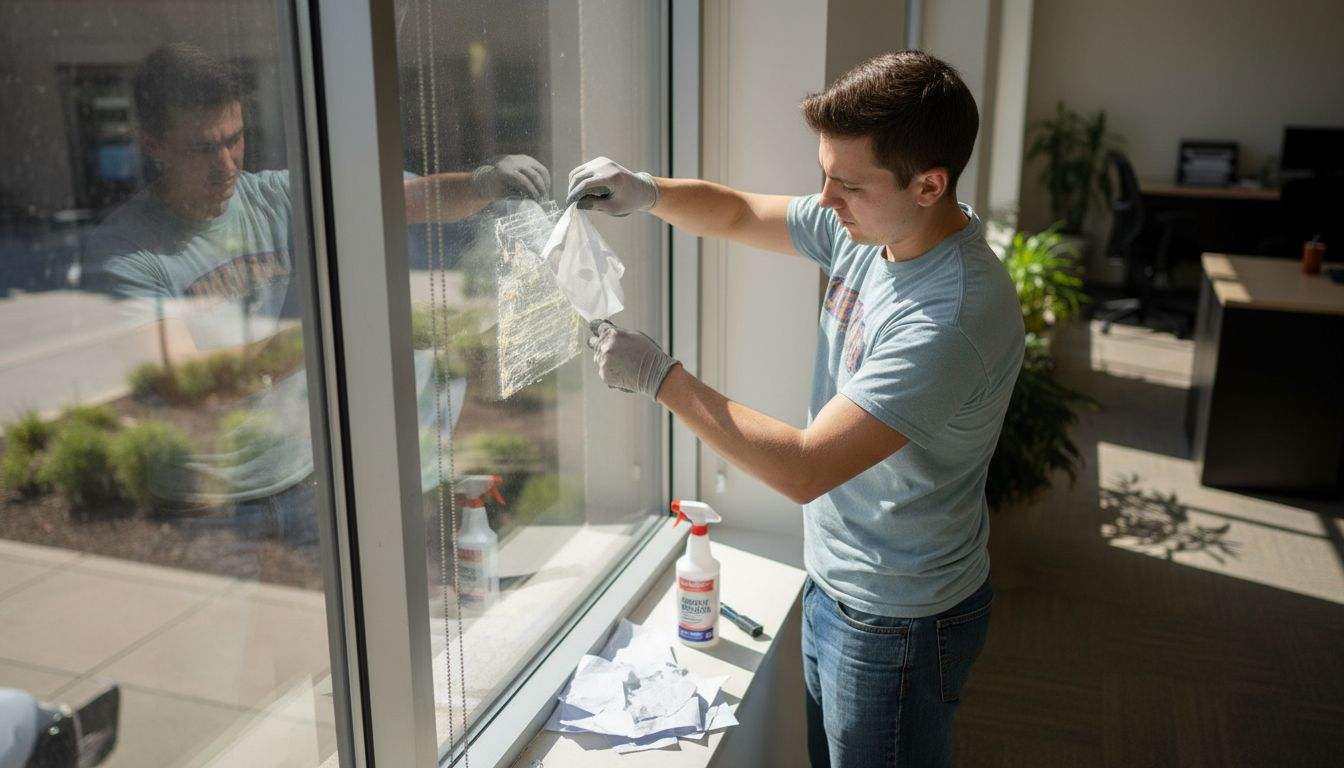
Myth 1: They’ll damage my windows. Quality vinyl decals designed for glass surfaces leave no residue and don’t scratch or discolor glass when removed properly. Budget-grade decals might leave sticky residue, but professional-grade materials won’t.
Myth 2: They only last a few months. Premium vinyl decals typically last 3-5 years indoors and 2-3 years on exterior windows exposed to direct sunlight. That’s excellent durability for the investment.
Myth 3: They look cheap or unprofessional. Custom-designed window decals look indistinguishable from expensive signage when printed with quality materials. The difference isn’t the decal itself—it’s the design and material grade.
Myth 4: I can just print them myself. Printing decals requires specialized equipment, ink formulations, and vinyl materials. DIY attempts typically peel, fade, or curl within weeks. Professional printing ensures durability and appearance.
Myth 5: They’re permanent once applied. Professional-grade window decals remove cleanly without residue, making them perfect for seasonal campaigns or updated messaging.
Many small business owners underestimate how much window decals transform their storefronts. They’re not throwaway decorations—they’re strategic branding tools that work 24/7.
Pro tip: Start with a single pilot decal on your main window to test design and durability before committing to multiple installations across your storefront.
Window Decal Types and Their Uses
Window decals come in multiple varieties, each designed for specific business needs and applications. Choosing the right type depends on your storefront layout, message, and how long you want the decal to last.
Common Window Decal Types
Here are the main types small business owners use:
- Vinyl decals: Durable, weather-resistant, and ideal for storefronts. They last years with minimal fading.
- Frosted or etched decals: Create a sandblasted glass appearance for privacy and modern aesthetics.
- Perforated vinyl: Allows visibility through the decal from inside while appearing solid from outside.
- Static cling decals: Removable without adhesive—perfect for temporary promotions or seasonal campaigns.
- Reflective decals: Highly visible at night, commonly used for safety information or emergency hours.
- Full-window wraps: Cover entire glass panels with custom photography or branding graphics.
Essential types of decal signs serve different purposes depending on your business goals and storefront visibility needs.
Here’s a concise overview of window decal types and their best business applications:
| Decal Type | Typical Use Case | Ideal Business Types | Visibility & Durability |
|---|---|---|---|
| Vinyl Decal | Permanent branding, logos | Retail, service, storefronts | High visibility, 3-5 years |
| Frosted/Etched | Privacy, upscale look | Restaurants, salons, offices | Moderate, 2-4 years |
| Perforated Vinyl | Promotion, privacy balance | Retail, showrooms | Good, 2-3 years |
| Static Cling | Temporary campaigns | Seasonal, rental businesses | Lower, 1-2 years max |
| Reflective Decal | Night visibility, safety | 24/7 stores, clinics | Excellent, 2-3 years |
| Full-Window Wrap | Large-scale branding | Flagship retail, gyms | Strong, 2-5 years |
Matching Decal Types to Your Business
Retail stores often use full-color vinyl decals to showcase products or announce sales. The vibrant colors grab attention from foot traffic and communicate urgency.
Restaurants and cafes frequently choose frosted decals for windows facing the street. These add elegance while blocking direct views into the dining area.
Service-based businesses like salons or medical offices prefer etched-glass style decals for a professional, upscale appearance without the expense of actual etching.
Seasonal retailers use static cling decals because they change messaging every few weeks. Holiday shops, for example, swap designs monthly without residue damage.
The right decal type transforms your window from blank glass into a strategic marketing asset that reflects your brand identity.
Practical Applications by Business Type
Consider your specific use cases:
- Hours of operation: Static cling or vinyl decals work equally well.
- Promotional announcements: Perforated vinyl lets customers see inside while promoting new products.
- Brand reinforcement: Large vinyl logos or full-window wraps create consistent visual branding.
- Privacy screens: Frosted decals block views while maintaining a sophisticated appearance.
- Navigation: Directional decals on side windows guide customers to entrances.
Your choice directly impacts customer perception before they even enter your store. A professionally designed decal signals quality and intentionality.
Pro tip: Choose static cling decals for testing new designs before committing to permanent vinyl installation, saving money on design iterations.
Design, Material, and Application Insights
Successful window decals depend on three critical factors: smart design choices, quality materials, and proper installation technique. Get any of these wrong, and your decal won’t perform as intended.
Choosing the Right Material
Material selection directly affects durability and appearance. The most common options include:
- Vinyl with adhesive backing: Weather-resistant and permanent. Best for long-term storefronts.
- Static cling material: Removable without adhesive residue. Ideal for temporary campaigns.
- Perforated vinyl: Allows inside visibility while blocking outside views. Great for privacy.
- UV-resistant inks: Prevents fading on exterior windows exposed to direct sunlight.
Window decal materials vary based on intended use, longevity expectations, and environmental conditions your storefront faces.
Budget matters, but buying cheap materials costs more long-term. A $50 professional decal lasts three years. A $15 DIY decal might fail within months, forcing replacement.
Design Considerations
Your design must balance aesthetics with functionality. Bold, simple designs read better from a distance than detailed graphics. Passersby have seconds to register your message.
Color contrast matters tremendously. Dark text on light backgrounds works better than reversed schemes. Test your design by viewing it from across the street.
Include essential information only: business name, logo, hours, or key promotion. Cluttered decals confuse customers and waste premium window space.
Quality design combined with professional materials transforms a simple decal into a permanent marketing asset that attracts customers daily.
Professional Application Process
Proper application prevents bubbles, wrinkles, and premature peeling:
- Clean the glass thoroughly with cleaner and a lint-free cloth to remove dust and residue.
- Measure and mark placement guidelines using painter’s tape.
- Apply using wet application technique with water spray for repositioning flexibility.
- Use a squeegee to eliminate air bubbles and ensure complete adhesion.
- Allow curing time (24-48 hours) before exposing to weather.
Removing decals properly prevents glass damage. Heat application and specialized removal products soften adhesive, making clean removal possible without leaving residue.
DIY installation often fails because people skip preparation steps. Professional installers know surface preparation determines success more than material quality.
Pro tip: Request sample applications on a small window section before committing your entire storefront, ensuring satisfaction with design and material quality.
Legal, Safety, and Compliance Factors
Window decals aren’t just design choices—they’re subject to legal and safety regulations that vary by location. Ignoring compliance requirements can result in fines, liability issues, or forced removal of your signage.
Understanding Local Regulations
Every jurisdiction has specific rules about storefront signage. Before installing any decal, research your local requirements:
- Size restrictions: Many cities limit window coverage to 25-50% of total glass area.
- Content regulations: Some areas prohibit certain images, language, or political messaging.
- Placement rules: Emergency exits must remain visible and unobstructed.
- Permitting: Certain decals may require permits or approval from building management.
Checking with your city’s zoning or planning department takes 20 minutes and prevents costly mistakes. Non-compliance can mean removal orders and fines.
Fire Safety and Building Codes
Window decal adhesive films must comply with fire safety standards in many jurisdictions. Some materials are classified as fire-rated, while others aren’t suitable for certain building types.
Building codes exist to protect occupants. Never cover emergency exit signage or obstruct sightlines from inside during emergencies. This isn’t bureaucratic red tape—it’s life safety.
Multi-tenant buildings often have stricter rules. Your landlord may prohibit decals entirely or require pre-approval. Check your lease before proceeding.
Non-compliance with local signage regulations can result in removal orders, fines, and damage to your business reputation.
Professional Installation as Liability Protection
Professional installation protects you legally and practically:
- Proper surface preparation prevents damage that could violate building codes.
- Correct removal techniques ensure no residue or glass damage.
- Documentation provides proof of compliance if questions arise.
- Insurance coverage protects against accidents during installation.
DIY installation creates liability exposure. If someone is injured due to improperly installed signage, you’re personally responsible. Professional installers carry liability insurance covering these scenarios.
Tenant and Landlord Considerations
If you’re leasing your storefront, window decals may affect your security deposit. Permanent adhesive decals could be classified as alterations requiring landlord approval.
Always get written permission before installing permanent decals. Use static cling alternatives when renting—they’re repositionable and leave no residue.
Document everything in writing. “My landlord said it’s fine” isn’t protection. Get explicit written approval regarding decal installation and removal expectations.
Pro tip: Consult your local city planning department and building management before designing or installing any window decals, ensuring full compliance with regulations specific to your location.
Costs, Lifespan, and Common Mistakes
Window decal pricing varies wildly depending on size, material quality, and design complexity. Understanding costs upfront prevents budget surprises and poor investment decisions.
Realistic Pricing Expectations
Small business owners often underestimate decal costs or choose cheap options that fail quickly. Here’s what to expect:
- Small decals (under 12 inches): $25-75 for professional vinyl with installation.
- Medium decals (12-36 inches): $75-250 depending on design complexity.
- Large decals or wraps (36+ inches): $250-1000+ for custom photography or intricate designs.
- Static cling alternatives: 30-40% cheaper than permanent vinyl.
These prices reflect professional printing, quality materials, and expert installation. Budget options exist but typically fail within months.
Consider cost-per-year rather than upfront price. A $150 decal lasting three years costs $50 annually. A $40 cheap decal failing after six months costs $80 annually.
Compare the lifespan and cost efficiency of professional vs. budget decals:
| Decal Quality | Average Cost | Typical Lifespan | Cost per Year |
|---|---|---|---|
| Professional Vinyl | $50-$250 | 3-5 years | $17-$50 |
| Budget Vinyl | $15-$80 | 6-12 months | $20-$80 |
| Static Cling | $20-$150 | 1-2 years | $20-$75 |
| Full Wrap | $250-$1000+ | 2-5 years | $50-$200 |
This table helps clarify what offers the best value for your storefront over time.
Understanding Lifespan
Window decal durability depends heavily on material type and environmental conditions. Vinyl decals typically outlast static cling materials significantly.
Permanent vinyl decals last 3-5 years indoors and 2-3 years on exterior windows facing direct sunlight. Static cling materials last 1-2 years maximum, even in protected locations.
Ultraviolet exposure degrades ink and adhesive. South-facing windows fade faster than north-facing ones. Climate extremes accelerate deterioration.
Investing in quality materials and professional installation ensures your decals maintain appearance and functionality for years, not months.
Common Mistakes That Damage Results
Most decal failures stem from preventable errors:
- Dirty surface application: Dust, dirt, or residue prevents proper adhesion, causing peeling within weeks.
- Ignoring local codes: Oversized or non-compliant decals get removal orders, wasting investment entirely.
- Wrong adhesive for purpose: Permanent vinyl on rental spaces damages deposits; static cling lacks durability for permanent installations.
- Rushing installation: Skipping surface prep, curing time, or proper squeegee technique creates bubbles and wrinkles.
- Cheap materials: Budget vinyl fades, cracks, and peels. The savings evaporate quickly.
Preventing Costly Errors
Proper planning eliminates most problems. Measure twice, design once. Get written approval from landlords or city officials before investing in materials.
Choose the right material for your situation. Renting? Use static cling. Permanent storefront? Invest in quality vinyl. Seasonal promotions? Static cling saves money on removals.
Allow sufficient curing time after installation. Most decals need 24-48 hours before exposure to weather or heavy use. Rushing this creates premature failure.
Pro tip: Request a quote breakdown showing material costs, design fees, and installation labor, allowing you to understand value and avoid cheap options that fail prematurely.
Upgrade Your Storefront with Professional Window Decals Today
Transforming blank glass into powerful marketing space is easier than you think. If you are worried about decal durability, design impact, or installation challenges, our expert team at Custom Signs Today understands these concerns and provides tailored solutions. We use high-quality vinyl and materials to ensure your window decals look professional, last for years, and comply with local regulations.
Discover the difference that expert design, premium materials, and professional application make in reinforcing your brand and attracting customers 24/7. Visit our Uncategorized page to explore decal options, then request your free quote through Custom Signs Today. Don’t wait to turn your storefront windows into your most effective signage asset.
Frequently Asked Questions
What is a window decal?
A window decal is a custom vinyl graphic that adheres directly to glass surfaces, allowing businesses to display information like hours, promotions, and branding without permanent installations.
How long do window decals typically last?
Premium vinyl decals generally last 3-5 years indoors and 2-3 years on exterior windows exposed to direct sunlight, offering excellent durability for their cost.
Will window decals damage my windows?
Quality vinyl decals are designed for glass surfaces and won’t damage the glass or leave a residue when removed properly, unlike budget-grade options.
Can I design and print window decals myself?
While DIY options exist, professional printing is recommended as it ensures durability, quality materials, and a polished appearance that homemade designs often lack.