
Feeling like your store blends into the background after dark is a real concern for many American retailers. Clear, bright signage can mean the difference between catching a new customer and being overlooked. With backlit signs that shine day and night, your business stands out, attracts attention from foot and drive-by traffic, and keeps your brand visible when it matters most. Discover how choosing the right lighting, materials, and style sets your store apart and builds lasting customer recognition.
Table of Contents
- Backlit Signs Defined and Common Misconceptions
- Types of Backlit Signs for Retail Businesses
- Core Features and How Backlit Signs Work
- Key Benefits for Brand Visibility and Attraction
- Costs, Maintenance, and Common Pitfalls
Key Takeaways
| Point | Details |
|---|---|
| Backlit Signs Enhance Visibility | They provide crucial nighttime visibility, helping businesses attract customers after dark and increasing foot traffic. |
| Variety of Technologies Available | Options like LED, fluorescent, and digital displays cater to different needs and budgets, making backlit signage accessible to various businesses. |
| Maintenance is Key | Regular cleaning and inspections are necessary to sustain brightness and prevent costly repairs, ensuring optimal sign performance. |
| Correct Installation Matters | Professional installation is essential to prevent issues like water damage and to ensure compliance with safety regulations. |
Backlit Signs Defined and Common Misconceptions
A backlit sign is an illuminated sign where light comes from behind the sign face, making graphics and text visible even in low light or at night. The light source sits inside or behind the sign structure, shining through the materials to create that glowing effect you see on storefronts and business exteriors.
Think of it like a lightbox. When you look at it from the front, you see bright, readable text or images. The magic happens behind the scenes with the lighting setup.
What Makes Backlit Signs Different
Backlit signs use internal or external light sources to enhance visibility and legibility of text and symbols, particularly in challenging lighting conditions. They’re not just one technology—there are several ways to achieve that backlit effect.
Common lighting options include:
- LED lighting (energy-efficient, long-lasting, cool to the touch)
- Fluorescent tubes (bright output, established technology)
- Neon tubes (classic look, unique aesthetic appeal)
- Halogen lights (bright, warm appearance)
Each technology offers different benefits for your business. LED has become the industry standard for new installations because it saves on electricity costs and requires less maintenance.
Common Misconception #1: All Illuminated Signs Are Neon
This is wrong, and it matters for your business decisions. People often assume that any glowing sign must contain neon gas, but that’s outdated thinking. Modern backlit signs use various technologies, with LED being the most popular choice today.
Neon still exists and has its place—it creates that classic, vintage glow that some brands love. But most new backlit signs use LEDs because they’re more affordable, durable, and energy-efficient.
Choosing the right lighting technology depends on your brand image, budget, and long-term maintenance preferences—not on assumptions about what “illuminated” means.
Common Misconception #2: Backlit Signs Are Only for High-End Retailers
Not true. Backlit signs work for coffee shops, pharmacies, dental offices, restaurants, auto shops, and small service businesses. Price point varies based on size, materials, and complexity, not on exclusivity.
A small backlit sign for your storefront window is affordable. Larger exterior installations cost more but deliver better visibility for busy street locations. Your signage provider can work within your budget.
Common Misconception #3: All Backlit Signs Need Constant Electrical Power
Some do, some don’t. Traditional backlit signs require consistent power to stay illuminated. However, solar-powered backlit options exist for certain applications, though they’re less common for storefronts.
The electrical requirement is straightforward to plan. Work with your signage provider to discuss placement and nearby outlets or power solutions.
Why Backlit Signs Matter for Your Business
Visibility after dark is crucial. When foot traffic continues into evening hours, a backlit sign keeps your business noticeable. Customers can find you, read your business name, and recognize your location from farther away.
Key advantages for retail owners:
- Increased nighttime visibility and customer discovery
- Professional appearance that builds trust
- Custom messaging that reinforces your brand
- Consistent branding across your storefront
Backlit signs work around the clock, even when you’re closed. That’s passive marketing working for you 24/7.
Pro tip: Pair your backlit sign with strategic placement—position it where natural sightlines exist from parking areas or street approaches to maximize customer awareness and foot traffic.
Types of Backlit Signs for Retail Businesses
Not all backlit signs look or function the same way. Retail businesses have several options to choose from, each with distinct advantages depending on your storefront layout, budget, and branding goals. Understanding these types helps you pick the right solution for your space.
Channel Letter Signs
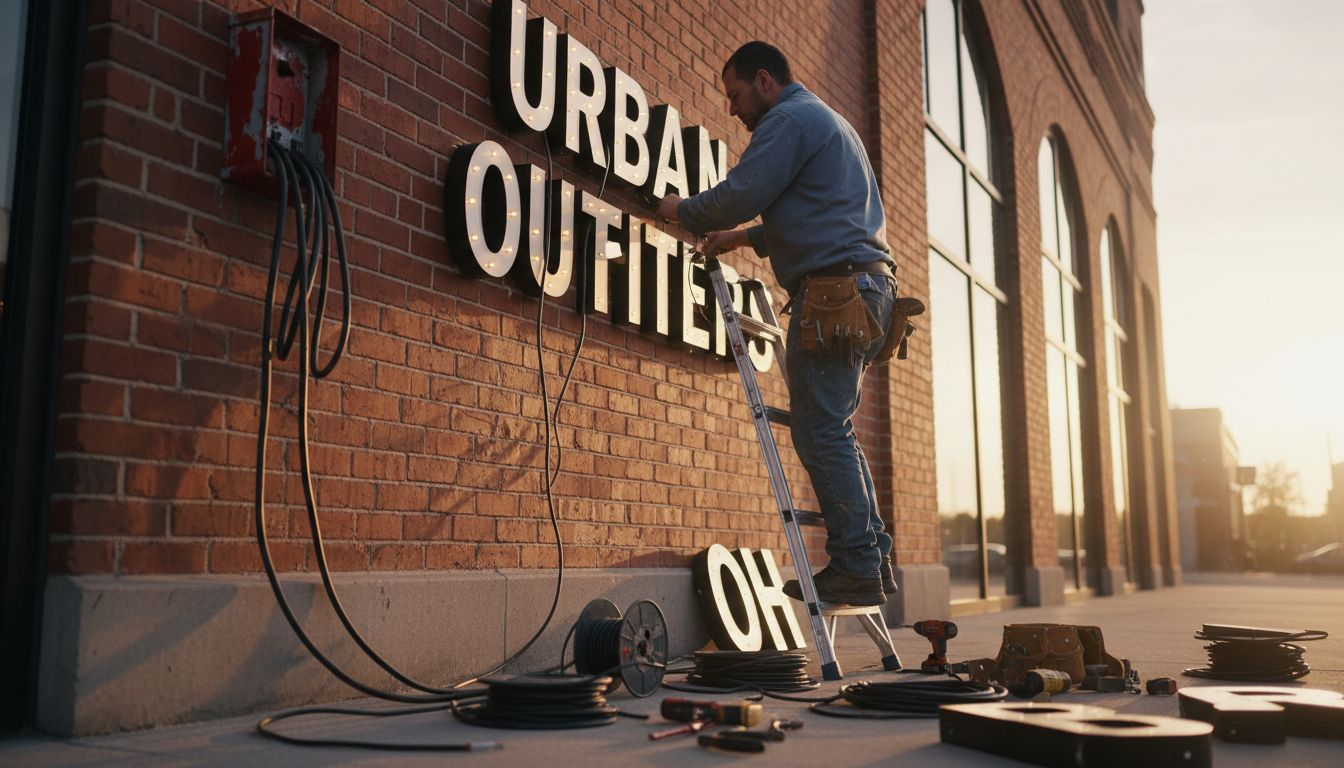
Channel letter signs are individual illuminated letters that spell out your business name or message. Each letter is a self-contained unit with lighting inside, creating a professional, upscale appearance.
These work particularly well for:
- Storefront fascias and building exteriors
- Monument signs at ground level
- Large-scale branding statements
- High visibility from distance
Channel letters project confidence and established business credibility. They’re popular with restaurants, law offices, medical practices, and retail chains because they command attention without looking flashy.
Lightbox Signs
Lightbox signs feature a translucent or semi-transparent face with graphics or text printed on it. Light shines through the entire panel, illuminating your custom design evenly.
Lightboxes are ideal for:
- Window displays and storefronts
- Interior signage in retail spaces
- Menu boards in food service
- Directional and informational displays
They offer flexibility with custom graphics and colors. You can change the printed face relatively easily, making them great for seasonal promotions or updated branding. Various types of retail backlit signs serve different purposes like branding, attracting attention, and providing information.
Here’s a quick comparison of popular backlit sign types and their best business fit:
| Sign Type | Strengths | Ideal Location | Typical Business Use |
|---|---|---|---|
| Channel Letter | Bold branding, high visibility | Building exteriors | Retail, restaurants, offices |
| Lightbox | Custom graphics, flexible use | Storefront windows | Promotions, menu boards |
| Digital LED Displays | Dynamic messaging, real-time updates | Entry areas, busy streets | Offers, events, product highlights |
| Built-Up Illuminated Letters | Premium appeal, 3D effect | Facade focus points | Luxury retail, professionals |
Lightbox signs provide even illumination and visual impact, making them perfect for catching customer attention during shopping hours and after dark.
Digital Backlit LED Displays
Digital LED displays are dynamic backlit signs that show moving content, changing messages, or video. Unlike static backlit signs, these adapt to different marketing messages in real time.
Digital options work best for:
- Time-sensitive promotions and offers
- Product showcases with changing visuals
- Information updates throughout the day
- Tech-forward brand positioning
LED displays cost more upfront but offer unlimited messaging flexibility. A coffee shop can advertise the daily special in the morning, happy hour pricing at 4 p.m., and evening events at night—all on the same sign.
Built-Up Illuminated Letters
These are three-dimensional letters with depth, creating shadow effects and visual interest. Light comes from behind or inside the letter structure, enhancing the dimensional appearance.
Built-up letters work well for:
- Creating focal points on storefronts
- Adding architectural interest to exteriors
- Establishing premium brand perception
- Combining multiple sign types in one display
They’re pricier than flat channel letters but deliver distinctive visual appeal that stands out from typical storefront signage.
Choosing Based on Your Needs
Selection depends on location, budget, and desired visual impact. A storefront window might benefit from a lightbox, while an exterior building face needs channel letters for visibility from distance.
Consider these factors:
- Budget: Channel letters cost more; lightboxes offer mid-range pricing
- Location: Exterior vs. interior changes optimal sign type
- Message flexibility: Static signs vs. digital displays
- Brand image: Premium channel letters vs. approachable lightboxes
Your signage provider can evaluate your specific storefront and recommend the best option for maximum impact and customer engagement.
Pro tip: Combine sign types for maximum effect—use a channel letter for your business name on the exterior and a lightbox in the window for promotions, creating visual consistency while showcasing flexibility in messaging.
Core Features and How Backlit Signs Work
Backlit signs aren’t magic—they’re actually simple technology that combines three basic elements working together. Understanding how they operate helps you appreciate why they’re so effective for business visibility and guides your purchasing decisions.
The Three Main Components
Every backlit sign consists of the same foundational parts. You have a sign face, an internal light source, and the mounting structure that holds everything together.
Here’s what each does:
- Sign face: Durable material like acrylic or polycarbonate with printed graphics or lettering
- Light source: LED modules or fluorescent tubes positioned behind the face
- Substrate: The translucent backing material that diffuses light evenly
These components work as a system. Remove one, and the sign doesn’t function as intended. Together, they create that uniform glow you see on storefronts.
How Light Distribution Works
The real engineering happens in how light spreads across the sign face. Backlit signs use translucent substrates and internal light sources to create bright, evenly illuminated graphics that avoid hotspots and dark areas.
Light travels from the source in two ways:
- Full backlit: Light covers the entire sign face uniformly
- Edge-lit: Light enters from the sides and spreads inward
Full backlit is more common for retail applications because it delivers consistent brightness across the entire graphic. Edge-lit designs work well for sleeker, thinner signs where space is limited.
Material Selection Matters
The sign face material directly affects how your design appears. Acrylic and polycarbonate are industry standards because they’re durable, weather-resistant, and allow light transmission at the right intensity.
Acrylic offers:
- Crystal-clear transparency
- Easy custom printing
- Good impact resistance
- Affordable pricing
Polycarbonate provides superior durability for high-traffic or weather-exposed locations. The substrate underneath diffuses light to prevent bright spots, so your graphics appear smooth and professional.
The substrate material determines whether customers see your design clearly or just a washed-out glow—quality materials make the difference.
Lighting Technology Options
Sign lighting requirements include energy-efficient LED modules and fluorescent tubes that comply with local illumination regulations. LED has become the preferred choice because it uses significantly less electricity and generates less heat.
LED advantages:
- Uses 75 percent less energy than fluorescent
- Lasts 50,000 hours or more
- Runs cooler, safer for enclosed spaces
- Available in various color temperatures
- Dimmable for time-of-day adjustments
Fluorescent still works but requires more maintenance and costs more to operate over time.
How Graphics Remain Visible Day and Night
Backlit signs work because light passes through the printed graphic. During the day, ambient sunlight combines with internal lighting to keep graphics visible. At night, the internal light source becomes the primary illumination.
This dual functionality means your sign works 24/7 without special adjustments. A restaurant menu board, storefront name, or promotional graphic stays readable from morning through closing time.
Pro tip: Request LED lighting with adjustable brightness controls so you can reduce output during slower hours, cutting electricity costs while maintaining visibility when customers are most likely shopping.
Key Benefits for Brand Visibility and Attraction
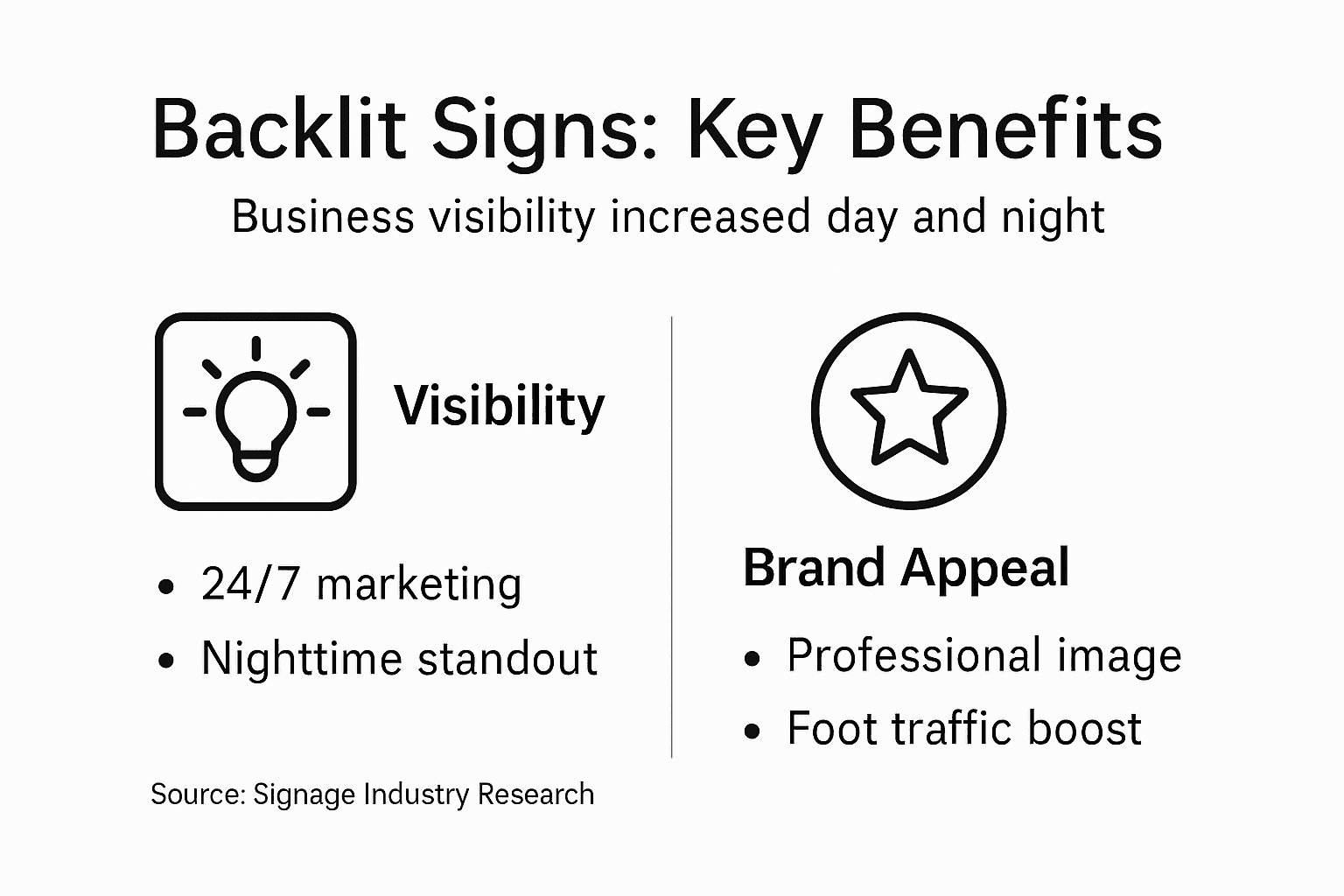
Backlit signs aren’t just nice to have—they directly impact your bottom line. Research shows well-designed signage increases sales by double digits for retail businesses. When customers can see your storefront clearly at night and from a distance, they’re more likely to stop, explore, and buy.
Round-the-Clock Visibility
Your backlit sign works while you sleep. Foot traffic doesn’t stop at sunset, especially in busy retail districts or downtown areas. Evening shoppers, after-work diners, and night-shift workers all see your illuminated sign when darkness would normally hide your business.
This constant visibility means:
- Drive-by customers discover you at night
- Pedestrians recognize your location from farther away
- Your storefront competes equally with well-lit chains
- Closing time doesn’t mean losing potential customers
A dark storefront blends into the background. An illuminated one stands out, captures attention, and directs customers inside.
Building Brand Recognition
Consistency builds trust. When customers see your logo, colors, and messaging illuminated night after night, your brand becomes familiar and reliable in their minds. That repeated exposure creates recognition faster than sporadic advertising.
Backlit signs establish brand identity through:
- Consistent logo placement and size
- Color accuracy that matches your brand guidelines
- Readable messaging at all hours
- Professional appearance that suggests quality
Small businesses compete with larger chains. A professional backlit sign levels that playing field by projecting the same polish and permanence customers associate with established brands.
Customers trust businesses that are easy to find and maintain a professional appearance—backlit signs deliver both.
Increased Foot Traffic and Sales
Properly illuminated signs capture attention from drive-by and pedestrian traffic, leading to higher sales conversions. The connection is direct: visibility increases discovery, discovery increases store visits, and store visits increase revenue.
Real-world impact includes:
- Higher nighttime foot traffic
- Increased impulse visits from passing customers
- Better wayfinding for customers seeking your location
- Competitive advantage over unlighted competitors
One retail owner reported a 23 percent increase in evening foot traffic within the first month after installing a backlit sign. Your results may vary based on location and demographics, but the pattern is consistent: better visibility equals better business.
Differentiation from Competitors
Your competitors probably have basic signs. A professional backlit sign signals that you’re serious about your business and willing to invest in customer experience. That difference matters when customers are deciding between similar options.
Backlit signs differentiate by:
- Standing out visually against competitor storefronts
- Suggesting professional operations and quality products
- Creating memorable visual landmarks customers reference
- Conveying stability and permanence
When a customer thinks, “Where was that shop?” your illuminated sign becomes the memorable landmark they describe to friends.
Enhanced Curb Appeal and Professional Image
First impressions happen in seconds. A well-designed backlit sign communicates professionalism before customers even enter your store. It says you care about presentation and quality—messages that extend to your products and services.
This perception advantage matters for:
- Service businesses (salons, dentists, medical offices)
- Retail shops competing on experience and atmosphere
- Restaurants building reputation for quality
- Professional offices establishing credibility
The investment in a backlit sign pays dividends through customer confidence and willingness to try your business.
Pro tip: Pair your backlit sign with updated window displays and clean storefronts to maximize first impression impact—great signage attracts customers, but your presentation keeps them.
Costs, Maintenance, and Common Pitfalls
Backlit signs are an investment, not an impulse purchase. Understanding upfront costs, ongoing maintenance requirements, and common mistakes helps you make an informed decision and avoid expensive problems down the road.
Understanding Installation and Material Costs
Costs vary dramatically based on size, technology, and complexity. A small window lightbox might cost $800 to $2,000, while a large exterior channel letter sign can run $5,000 to $15,000 or more.
Price factors include:
- Size: Larger signs cost proportionally more
- Technology: LED costs less to operate but costs more upfront than fluorescent
- Materials: Acrylic is affordable; polycarbonate costs more but lasts longer
- Installation complexity: Rooftop or structural installation adds labor costs
- Custom design: Complex graphics increase production expenses
Quality installation matters more than you might think. Cheap installation leads to water damage, electrical failures, and costly repairs. Professional installation might cost more initially but saves thousands in repair bills later.
Review this summary table to understand cost and maintenance expectations for backlit signage:
| Cost Factor | Typical Range | Impact on ROI | Maintenance Need |
|---|---|---|---|
| Initial Investment | $800-$15,000+ | Lower upfront = simpler signs | Monthly cleaning, annual inspection |
| Operating Costs | Lower with LED | Savings over years | LED: minimal; Fluorescent: more frequent |
| Lifespan | 10-15 years (quality) | Longer life = higher ROI | Depends on technology and upkeep |
| Repair Expenses | Preventive is cheaper | Emergency fixes cost more | Avoid by regular checks |
Ongoing Maintenance Requirements
Your backlit sign needs regular attention to stay effective. Maintenance includes periodic cleaning, electrical inspections, and timely replacement of lighting components to preserve brightness and safety.
Monthly maintenance tasks:
- Visual inspection for damage or water intrusion
- Surface cleaning to remove dirt and debris
- Check that all lights are functioning properly
Annual professional maintenance should include electrical inspections and testing to catch problems before they become expensive failures. Budget $200 to $500 yearly for professional inspections depending on sign size.
Preventive maintenance costs hundreds; emergency repairs cost thousands. Schedule annual inspections to catch issues early.
Electrical Safety and Compliance Standards
Backlit signs must comply with safety standards like UL 48 and the National Electrical Code to ensure safe operation. Non-compliance creates liability and safety risks that could injure customers or employees.
Compliance issues include:
- Improper wiring by unqualified installers
- Use of non-certified electrical components
- Inadequate grounding or circuit protection
- Missing required safety switches or disconnects
Insist on certified, licensed electricians for installation and repairs. This protects your business legally and keeps customers safe. Ask for documentation proving compliance with local codes.
Common Pitfalls to Avoid
Ignoring local regulations: Zoning laws, illumination limits, and sign size restrictions vary by city. Check requirements before purchasing. A sign that violates local codes might require expensive removal or redesign.
Inadequate installation: Water ingress is the leading cause of backlit sign failure. Poor sealing around wiring conduits allows moisture to damage electrical components. Choose installers experienced with weatherproofing.
Neglecting maintenance: Dimming signs signal failing bulbs or internal corrosion. Ignoring these warning signs leads to complete failure. Brightness should remain consistent; dimming means repair time.
Cheap component shortcuts: Non-certified wiring, low-quality sealants, and incompatible electrical parts fail faster and pose safety hazards. Invest in quality components.
Wrong location or sizing: A sign too small for its distance or placed where visibility is blocked wastes your investment. Professional assessment prevents this costly mistake.
Long-Term Cost Considerations
LED technology costs more upfront but saves money over time. An LED-lit sign uses 75 percent less electricity than fluorescent and lasts 50,000 hours or longer. Over ten years, the energy savings easily exceed the higher initial cost.
Calculate total cost of ownership, not just purchase price. Quality signs maintained properly last 10 to 15 years. Poorly maintained signs fail in 3 to 5 years.
Pro tip: Request a detailed maintenance plan from your signage provider before installation—knowing exactly what’s included in your contract and what costs extra prevents surprise bills down the road.
Elevate Your Business Visibility with Custom Backlit Signs
Struggling to get noticed after dark or want to build a professional brand image that stands out from competitors This article explained how backlit signs drive 24/7 customer attention and improve foot traffic for businesses like yours. If you aim to boost your storefront presence with energy-efficient illumination and custom designs tailored to your budget and branding goals we have your solution. Whether you need channel letter signs, lightbox displays, or digital signage our expert team creates durable, high-quality backlit signs that combine impactful visuals with lasting performance.
Discover the power of expertly crafted custom backlit signs that make your business visible day and night Don’t let your storefront blend into the background Invest now to gain increased customer recognition, trust, and sales. Visit Custom Signs Today to explore a wide range of signage options and request your free quote. Take the next step toward brighter branding today.
Frequently Asked Questions
What is a backlit sign?
A backlit sign is an illuminated sign where light comes from behind the sign face, enhancing the visibility of graphics and text in low light or at night. The light source is positioned inside or behind the sign structure, creating a glowing effect.
What are the different types of backlit signs available?
The main types include channel letter signs, lightbox signs, digital LED displays, and built-up illuminated letters. Each serves different purposes and is suited to various business needs, with unique visual impacts and functionalities.
How do backlit signs enhance business visibility?
Backlit signs provide increased visibility after dark, making it easier for customers to locate your business from a distance. Their illuminated designs attract attention and convey a professional image, which can lead to increased foot traffic and sales.
What are the maintenance requirements for backlit signs?
Maintenance for backlit signs includes regular cleaning, electrical inspections, and timely replacement of lighting components. Monthly visual checks and annual professional inspections are recommended to ensure optimal performance and longevity.