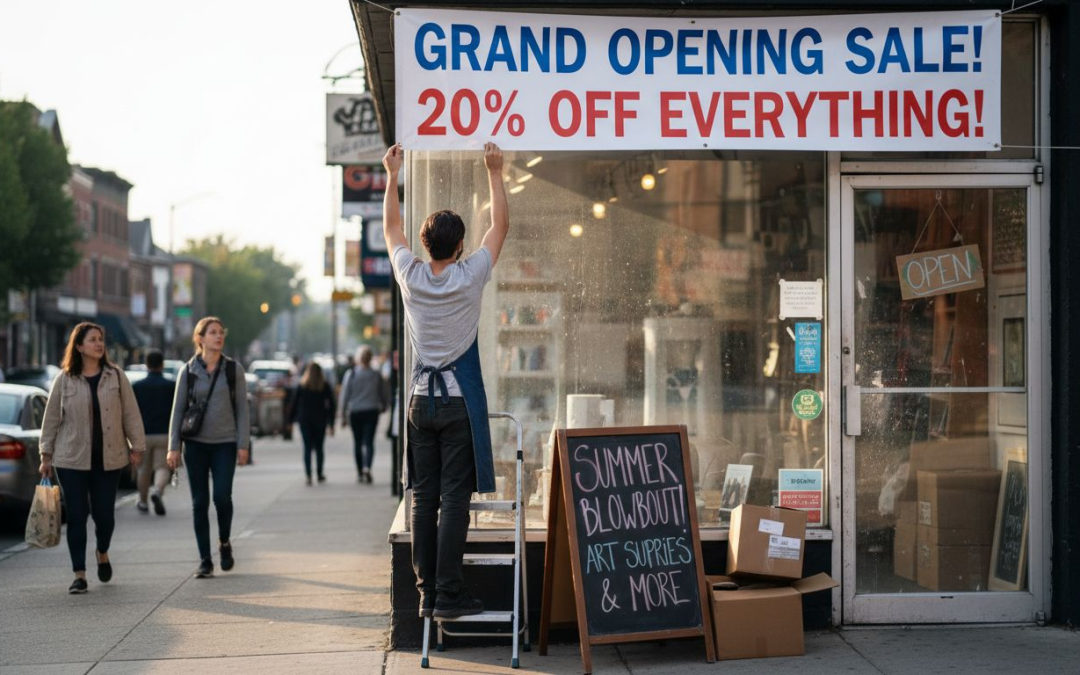
Choosing the right signage for your small business feels overwhelming when you’re balancing tight budgets with the need to stand out. You know effective signs drive foot traffic, but which options deliver real impact without draining your marketing funds? This guide breaks down essential criteria for selecting cost-effective signs, highlights affordable sign types with proven results, and helps you match solutions to your specific business needs so you invest wisely and maximize visibility.
Table of Contents
- How To Choose Cost-Effective Signs: Selection Criteria
- Top Cost-Effective Sign Types And Their Features
- Material And Illumination Benefits For Cost And Durability
- Use Case Mapping: Best Sign Choices By Business Type And Need
- Pricing Considerations And Budget Planning For Signs
- Summary Comparison Matrix Of Cost-Effective Sign Options
- Situational Recommendations: Choosing The Right Sign For Your Business
- Explore Custom Signage Solutions For Your Business
- Frequently Asked Questions About Cost-Effective Signs
Key takeaways
| Point | Details |
|---|---|
| Balance upfront cost with durability | Evaluate initial investment alongside long-term maintenance and replacement needs for true ROI. |
| Popular affordable options exist | Vinyl banners, A-frame signs, and aluminum signs provide professional visibility without breaking budgets. |
| Material and lighting choices matter | LED illumination cuts energy costs while durable materials reduce maintenance frequency and expenses. |
| Match signs to your business scenario | Retail storefronts, service businesses, and event promotions each benefit from different signage types. |
| Budget beyond the sign price | Include installation, permits, and customization costs in your total investment planning. |
How to choose cost-effective signs: selection criteria
Smart signage decisions start with evaluating both immediate costs and long-term value. Look beyond the sticker price to understand installation expenses, ongoing maintenance requirements, and expected lifespan. A sign that costs $800 but lasts eight years with minimal upkeep beats a $400 option needing replacement every two years.
Visibility drives results. 76% of consumers decide to enter a store based solely on its signage, making readability and placement critical factors. Choose high-contrast colors, simple fonts, and sizes appropriate for your viewing distance. A pedestrian passing your storefront needs different design elements than drivers on a busy street.
Material selection directly impacts durability and maintenance costs. Consider your local climate and typical wear patterns. Coastal businesses need rust-resistant materials, while areas with extreme temperature swings require materials that won’t crack or warp. Weather-appropriate choices prevent premature deterioration and unexpected replacement expenses.
Your location and customer traffic patterns should guide sign type selection. High foot traffic areas benefit from eye-level A-frame signs with changeable messages. Busy roadways demand larger, illuminated options for driver visibility. Service businesses with appointment-based customers need different solutions than retail stores relying on walk-in traffic.
Budget planning must account for hidden costs beyond the sign itself. Basic sign costs range from $500 to $5,000 depending on size and complexity, but permits, professional installation, and design customization add to your total investment. Research local regulations early to avoid surprise permit fees that strain your budget.
Pro Tip: Request itemized quotes that separate material costs, installation, permits, and design fees so you can identify areas to adjust if you need to reduce total expenses without sacrificing quality.
Explore signage design tips for small businesses and creative signage ideas for small businesses to refine your approach before committing to a purchase.
Top cost-effective sign types and their features
Vinyl banners and decals dominate the affordable signage category for good reason. Vinyl banners and decals typically cost under $500 and excel at temporary promotions, seasonal sales, and event marketing. They’re lightweight, easy to install, and offer full-color printing for eye-catching designs. Weather-resistant vinyl withstands outdoor conditions for months, making these options ideal when you need quick visibility without long-term commitment.
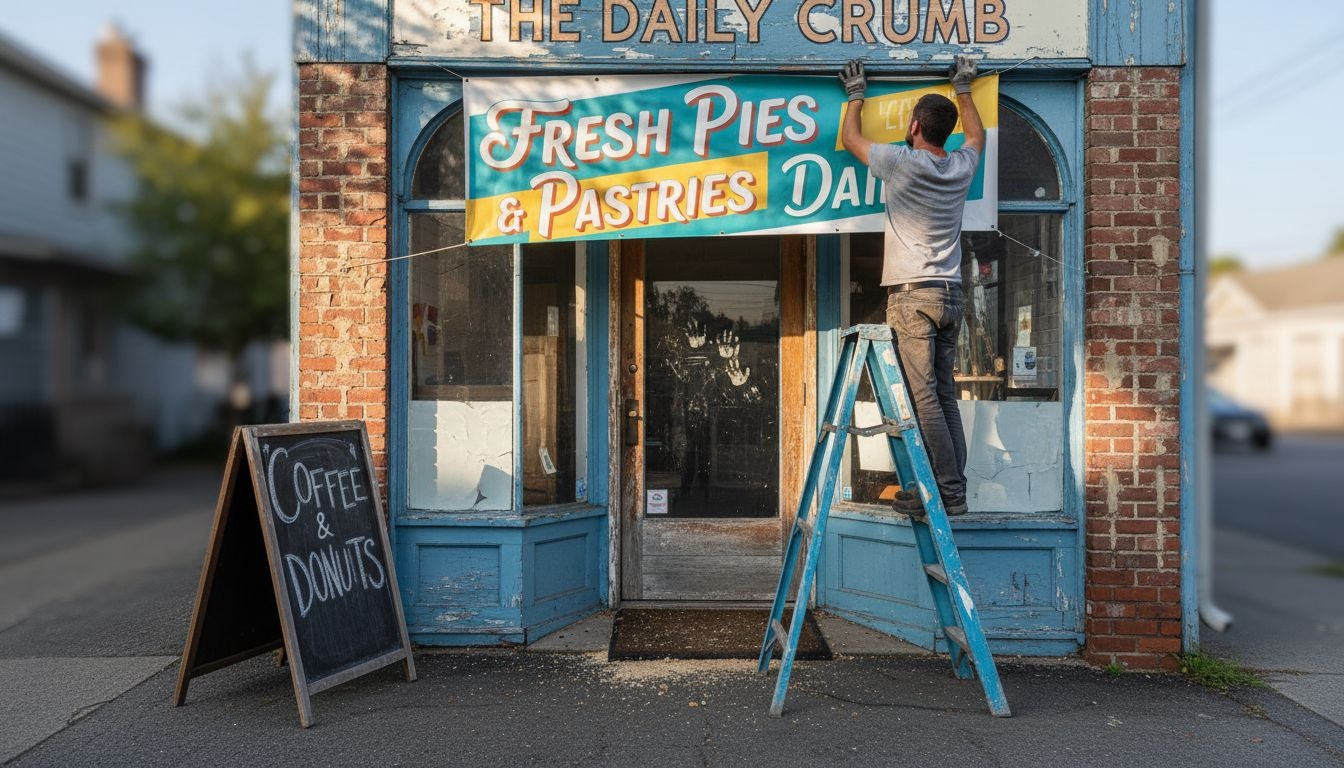
A-frame sidewalk signs provide pedestrian-level engagement at modest price points. A-frame signs cost $200-$600 depending on materials and size, offering changeable message boards perfect for daily specials or promotional updates. Their portability lets you move them during different times of day to capture maximum foot traffic, and folding designs simplify storage overnight.
Flat aluminum or acrylic signs deliver professional appearance with moderate investment. These durable options suit businesses wanting permanent signage that projects established credibility. Aluminum resists rust and maintains appearance for years with minimal maintenance. Acrylic offers similar durability with a sleek, modern aesthetic. Both materials accept custom printing and mounting options to match your building exterior.
Channel letter signs represent higher investment but deliver exceptional storefront visibility and branding impact. Three-dimensional lettering creates depth and professionalism that flat signs cannot match. While installation costs push these options toward the upper end of small business budgets, their durability and 24/7 visibility justify the expense for businesses prioritizing street presence and brand recognition.
Illuminated LED signs carry higher upfront costs but generate long-term savings through reduced energy consumption and extended lifespan. LED technology eliminates frequent bulb replacements and drastically cuts electricity bills compared to traditional lighting. These signs maintain visibility after dark, extending your marketing reach beyond business hours to capture evening traffic and passersby.
Consider retail signage options and vinyl signs to match specific features with your business requirements and budget constraints.
Material and illumination benefits for cost and durability
Material choices shape both immediate expenses and long-term maintenance budgets. Aluminum offers excellent weather resistance and maintains appearance for decades with occasional cleaning. Wood creates rustic appeal but requires periodic sealing and treatment to prevent rot and fading. Acrylic provides modern aesthetics with good durability, though it may scratch more easily than metal alternatives. Match material characteristics to your brand style while prioritizing longevity in your climate.
LED illumination transforms signage economics through dramatic energy savings and reduced maintenance. LED lighting cuts energy costs by 50% compared to traditional neon alternatives while lasting significantly longer. You eliminate frequent bulb replacement expenses and the labor costs associated with changing hard-to-reach lighting elements. LED signs maintain consistent brightness throughout their lifespan, preventing the gradual dimming that reduces visibility with older lighting technologies.
Material selection directly affects maintenance frequency and associated costs. Rust-prone materials in coastal environments create ongoing touch-up and replacement expenses. Fade-resistant finishes preserve appearance longer, reducing the need for repainting or refinishing. Consider total cost of ownership over five to ten years rather than focusing solely on initial purchase price.
Eco-friendly materials align with sustainable brand values while potentially reducing long-term expenses. Recycled aluminum and reclaimed wood offer environmental benefits that resonate with conscious consumers. These materials often prove as durable as conventional options while differentiating your brand. Combining sustainable materials with LED lighting creates a cohesive message about your business values and operational efficiency.
Pro Tip: Calculate total five-year costs including energy, maintenance, and potential replacement to compare options accurately rather than deciding based only on initial price.
Explore sustainable signage materials to understand how eco-conscious choices support both your budget and brand positioning.
Use case mapping: best sign choices by business type and need
Retail storefronts demand permanent, high-visibility branding that establishes location identity and attracts walk-in customers. Channel letter signs create dimensional impact that photographs well for social media and helps customers provide directions to others. Window decals maximize glass real estate with promotional messages, seasonal graphics, or product highlights without blocking natural light. These options work together to create layered visibility from multiple angles and distances.
Service businesses benefit from flexible messaging that highlights current offerings, limited-time promotions, or appointment availability. A-frame sidewalk signs positioned at pedestrian level capture attention from passersby and allow daily message updates without professional assistance. Their portability supports strategic placement during peak foot traffic hours and easy storage during off-hours or inclement weather.
Event promotions require high-impact, short-term visibility that justifies minimal investment for temporary use. Vinyl banners deliver full-color graphics at low cost, making them perfect for festivals, grand openings, or seasonal sales campaigns. Their lightweight construction simplifies installation on existing structures, and removal leaves no permanent marks or damage when events conclude.
Sustainability-focused businesses reinforce brand values through material and technology choices in their signage. Eco-friendly materials paired with LED illumination demonstrate environmental commitment while reducing operational costs. This alignment strengthens brand messaging and appeals to conscious consumers who prioritize supporting businesses with matching values.
The table below summarizes ideal sign matches for common business scenarios:
| Business Type | Primary Need | Recommended Sign | Key Benefit |
|---|---|---|---|
| Retail storefront | Permanent branding | Channel letters, window decals | 24/7 visibility, professional impact |
| Service business | Flexible messaging | A-frame sidewalk signs | Daily updates, pedestrian engagement |
| Event promotion | Temporary visibility | Vinyl banners, decals | Low cost, high impact, easy removal |
| Sustainability brand | Value alignment | Eco-materials with LED | Reinforces mission, reduces energy costs |
Review custom signage examples to see how businesses successfully match sign types to their specific marketing goals and operational needs.
Pricing considerations and budget planning for signs
Realistic budget expectations start with understanding typical investment ranges for different sign categories. Basic signage costs range from $500 to $5,000 depending on size, materials, and complexity. Vinyl banners and simple A-frame signs occupy the lower end, while channel letters and custom illuminated options require larger investments. Size dramatically impacts price, with larger signs requiring more materials, heavier mounting systems, and often professional installation.
Illuminated signs carry higher upfront costs but deliver measurable long-term savings through reduced energy consumption. While you might spend $2,000 to $4,000 for quality LED illumination versus $800 to $1,500 for non-illuminated alternatives, energy savings of up to 50% accumulate monthly. Calculate your breakeven point by dividing the cost difference by monthly energy savings to determine when the investment pays for itself.
Installation expenses vary widely based on sign weight, mounting requirements, and accessibility. Simple signs with basic mounting hardware might cost $100 to $300 for professional installation. Complex channel letter installations requiring electrical work and structural mounting can reach $1,000 to $2,000. Factor these costs into your budget from the start rather than treating them as afterthoughts.
Permit requirements and associated fees depend on local regulations, sign size, and placement. Many municipalities require permits for permanent exterior signs, with fees ranging from $50 to $500. Research requirements early in your planning process to avoid project delays or unexpected expenses. Some jurisdictions restrict sign sizes, placement, or illumination, potentially affecting your design choices.
Simpler designs with quality materials consistently outperform complex designs with budget materials over time. A well-designed sign using durable substrate and weather-resistant finishes maintains appearance and functionality for years. Overly elaborate designs increase production costs without necessarily improving marketing effectiveness. Focus budget dollars on visibility factors like size, placement, and lighting rather than decorative elements that add cost without impact.
Pro Tip: Request quotes from multiple providers and ask for material specifications in writing so you can compare true quality and value rather than choosing based solely on price.
The table below illustrates typical cost ranges and key considerations:
| Sign Type | Typical Cost Range | Installation Cost | Expected Lifespan | Best Budget Fit |
|---|---|---|---|---|
| Vinyl banner | $100-$500 | $50-$150 | 1-3 years | Very tight budgets, temporary needs |
| A-frame sign | $200-$600 | $0 (DIY) | 3-5 years | Small budgets, flexible messaging |
| Aluminum sign | $300-$1,500 | $100-$400 | 7-10 years | Moderate budgets, permanent needs |
| Channel letters | $1,500-$5,000 | $500-$2,000 | 10-15 years | Larger budgets, high visibility priority |
| LED illuminated | $2,000-$6,000 | $500-$1,500 | 10-20 years | Long-term investment, 24/7 visibility |
Learn more about banner investment benefits and review the banner pricing guide to refine your budget planning.
Summary comparison matrix of cost-effective sign options
This comprehensive comparison synthesizes key decision factors across popular sign types to support your final selection. Use this matrix to quickly evaluate how different options align with your budget constraints, durability requirements, and marketing objectives.
| Sign Type | Cost Range | Durability Rating | Best Application | Marketing Impact | Maintenance Level | Energy Efficiency |
|---|---|---|---|---|---|---|
| Vinyl banners | $100-$500 | Low (1-3 years) | Temporary promotions, events | High short-term visibility | Low (replace when worn) | N/A |
| A-frame signs | $200-$600 | Medium (3-5 years) | Pedestrian areas, daily messaging | Medium, flexible engagement | Low (occasional cleaning) | N/A |
| Aluminum signs | $300-$1,500 | High (7-10 years) | Permanent outdoor signage | Medium to high, professional | Very low (periodic cleaning) | N/A |
| Channel letters | $1,500-$5,000 | Very high (10-15 years) | Storefront branding, high visibility | Very high, 3D impact | Low (LED versions minimal) | High (with LED) |
| LED illuminated | $2,000-$6,000 | Very high (10-20 years) | 24/7 visibility, main signage | Very high, day and night | Very low (long LED life) | Excellent (50% savings) |
The matrix reveals clear trade-offs between initial investment and long-term value. Vinyl banners maximize immediate impact per dollar spent but require periodic replacement. Channel letters and LED signs demand larger upfront budgets but deliver superior durability and ongoing visibility that justifies the investment for established businesses.
Consider your business stage when interpreting this comparison. Startups testing market viability might prioritize lower-cost options like vinyl banners and A-frame signs. Established businesses with proven customer bases benefit from investing in permanent solutions like channel letters that reinforce brand presence and reduce long-term replacement cycles.
Situational recommendations: choosing the right sign for your business
Tight marketing budgets combined with temporary promotional needs make vinyl banners and decals your best choice. These options deliver immediate visual impact for grand openings, seasonal sales, or limited-time offers without requiring long-term financial commitment. You can update messaging frequently as promotions change, maintaining fresh visibility that engages repeat customers.
Small retail storefronts needing year-round branding and customer attraction benefit most from channel letter signs or quality aluminum signs. These permanent solutions create consistent brand presence that helps customers locate your business and builds recognition over time. The higher initial investment pays dividends through years of reliable visibility without ongoing replacement costs.
Service businesses relying on local foot traffic should prioritize A-frame sidewalk signs for maximum engagement. Position these signs at pedestrian level with daily updated messages about services, specials, or availability. Their flexibility supports responsive marketing that reacts to weather, inventory, or competitive situations while maintaining professional appearance.
Businesses prioritizing sustainability and environmental responsibility can select eco-friendly materials combined with LED illumination to align signage with brand values. This approach demonstrates commitment to responsible practices while reducing energy consumption and operational costs. Customers increasingly value businesses that match stated values with visible actions.
Pro Tip: Start with one high-quality permanent sign for core branding, then supplement with affordable temporary options like banners or A-frames for promotional flexibility without overextending your budget.
Explore signage tips for real estate and small businesses to apply these recommendations to your specific business context.
Explore custom signage solutions for your business
You now understand how to evaluate sign options, match types to your needs, and budget effectively for maximum impact. Custom Signs Today transforms this knowledge into reality with affordable, durable signage tailored to your specific business requirements and branding goals.
Our team provides expert guidance to help you select the perfect sign type, materials, and design elements within your budget. Whether you need eye-catching vinyl banners for an upcoming promotion, professional channel letters for permanent storefront branding, or sustainable LED solutions that reduce long-term costs, we deliver quality signage that drives customer attention and business growth.
Get started with a free custom quote that breaks down all costs including materials, installation, and permits so you can make informed decisions. Explore our custom sign services, review vinyl signs options, and discover custom sign quotes to begin your signage project with confidence and clarity.
Frequently asked questions about cost-effective signs
What signage is most durable for small businesses?
Aluminum and channel letter signs offer the best durability for permanent installations, typically lasting 10 to 15 years with minimal maintenance. LED illuminated signs extend lifespan even further while reducing energy costs. These materials resist weather damage, fading, and physical wear better than vinyl or wood alternatives.
How customizable are affordable sign options?
Vinyl banners, A-frame signs, and aluminum signs all support full customization including colors, graphics, logos, and messaging. Modern printing technology enables detailed designs on budget-friendly materials. You’re not limited to templates; affordable options can reflect your unique brand identity as effectively as premium alternatives.
What additional costs should I budget beyond the sign purchase?
Installation typically adds $100 to $2,000 depending on sign complexity and mounting requirements. Permit fees range from $50 to $500 in most municipalities. Design services may cost $100 to $500 if you need professional assistance. Factor in electrical work costs of $200 to $800 for illuminated signs requiring new connections.
How often do signs typically need maintenance or replacement?
Vinyl banners last one to three years before replacement. A-frame signs need occasional cleaning but function for three to five years. Aluminum signs require minimal maintenance for seven to ten years. LED illuminated signs deliver 10 to 20 years of service with virtually no upkeep beyond periodic cleaning.
Are permits usually required for installing business signs?
Most cities require permits for permanent exterior signs, particularly those exceeding certain size thresholds or including illumination. Temporary banners and portable A-frame signs often fall under different regulations with fewer restrictions. Check with your local planning department early in the process to understand specific requirements and avoid project delays.
How do I know which sign size works best for my location?
Sign size depends on viewing distance and speed of passing traffic. Pedestrian traffic reads signs effectively at 10 to 50 feet, while vehicle traffic requires larger signs visible from 100 to 300 feet. Multiply your primary viewing distance in feet by 1 inch of letter height for minimum readability. Review retail signage insights for detailed sizing guidance.