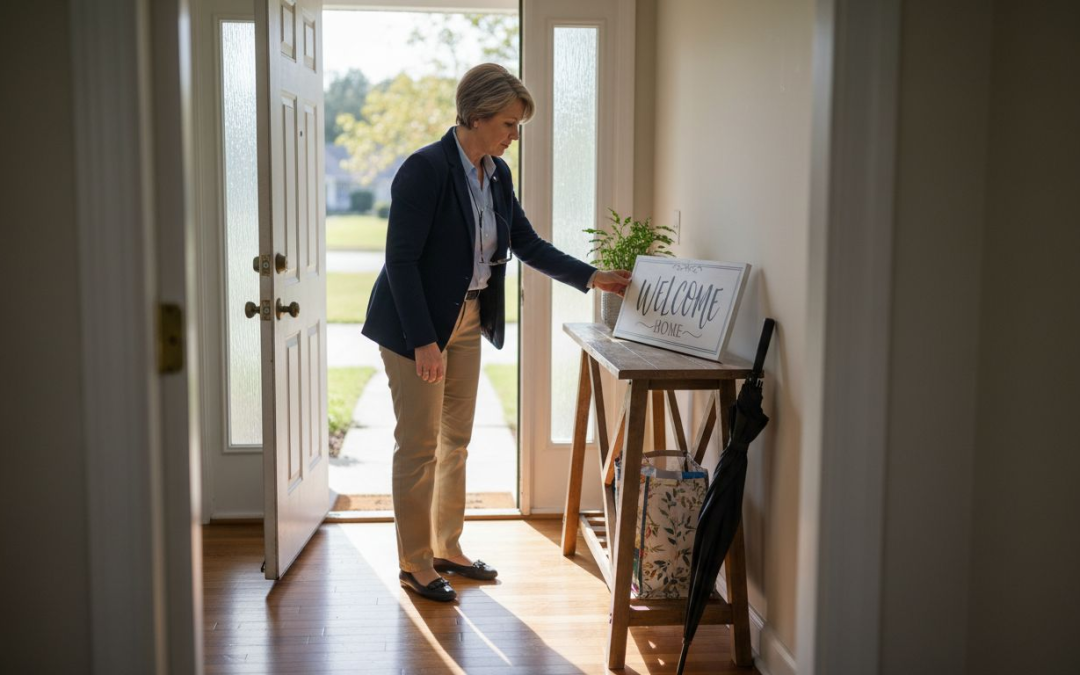
Every open house in California brings unique challenges for real estate agents aiming to capture buyer interest from the moment they walk in. Placing indoor signage at decision points like junctions and corridor intersections—where people naturally seek direction—can turn a confusing layout into a smooth experience. This guide helps you identify key visibility points, choose appropriate sign types, and position them for maximum impact and professional presentation throughout your properties.
Table of Contents
- Step 1: Assess Property Flow And Key Visibility Points
- Step 2: Select Appropriate Indoor Sign Types And Sizes
- Step 3: Position Signs For Maximum Visibility And Impact
- Step 4: Secure And Stabilize Signage For Safety
- Step 5: Evaluate Sign Placement And Adjust As Needed
Quick Summary
| Key Point | Explanation |
|---|---|
| 1. Assess Property Flow | Identify natural pathways and decision points for intuitive sign placement, facilitating guest navigation. |
| 2. Select Sign Types Wisely | Use appropriate sign types like directional and informational signs to enhance visitor experience without cluttering the space. |
| 3. Ensure Maximum Visibility | Position signs at eye level with clear angles and contrast, targeting key decision areas for optimal communication. |
| 4. Secure Signage for Safety | Use proper mounting techniques to prevent accidents and enhance the professional appearance of the open house. |
| 5. Evaluate and Adjust Regularly | Continuously assess sign placement and obtain feedback to refine signage for improved visitor guidance. |
Step 1: Assess Property Flow and Key Visibility Points
Understanding your property’s layout is crucial for strategic indoor signage placement during open houses. You want potential buyers to navigate your space intuitively, feeling welcomed and oriented from the moment they enter.
Start by walking through the property with a critical eye, identifying natural pathways and key decision points where visitors might need guidance. Wayfinding signage standards recommend positioning signs at junctions, entry points, and corridor intersections where visitors naturally pause and look for direction. Pay attention to how people naturally move through rooms think about sight lines, furniture placement, and potential bottlenecks.
Take measurements and create a simple property flow diagram. Note areas where signs could help visitors understand the property layout faster. Consider factors like room transitions, staircase locations, and potential alternate routes. Your goal is creating an invisible guide that helps potential buyers feel comfortable and oriented without overwhelming them with too many signs.
Pro tip: Walk the property with a friend who has never seen it before and observe how they naturally navigate the space to identify the most intuitive sign placement locations.
Step 2: Select Appropriate Indoor Sign Types and Sizes
Creating an effective signage strategy for your open house requires carefully selecting sign types and sizes that enhance the property’s presentation and guide potential buyers seamlessly through the space. Your goal is to create clear visual communication that feels natural and informative without overwhelming visitors.
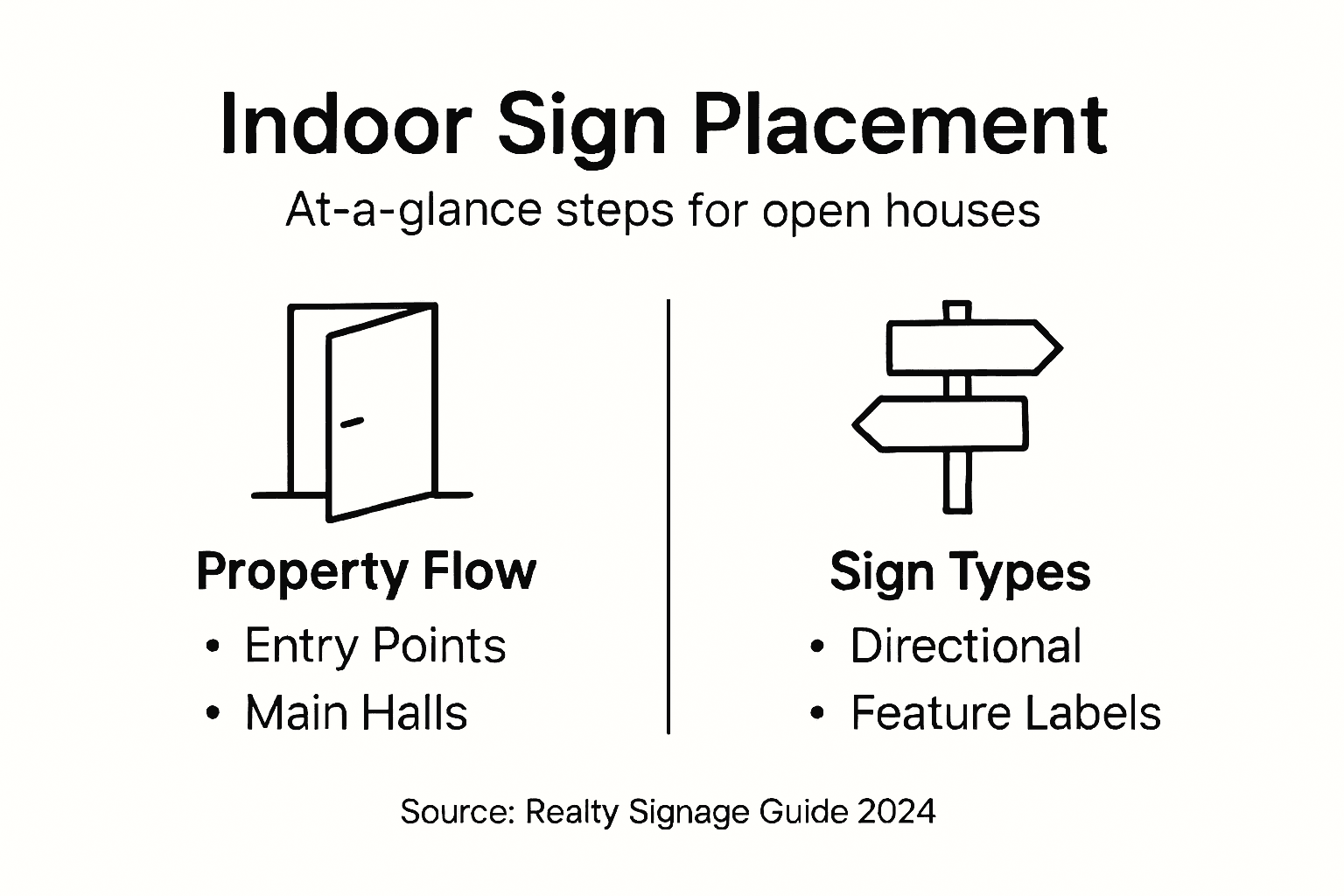
Start by understanding the primary sign types for indoor environments, which typically include directional, informational, room identification, and welcome signs. Each type serves a specific purpose: directional signs help visitors navigate between rooms, informational signs highlight unique property features, room identification signs clarify spaces, and welcome signs set the initial tone. Consider using a mix of sign sizes appropriate to different areas smaller signs for tight hallways and larger signs for open spaces to maintain visual balance.
Here’s a concise reference comparing indoor sign types for open houses:
| Sign Type | Main Purpose | Ideal Location |
|---|---|---|
| Directional | Guide visitor movement | Hallway intersections, staircases |
| Informational | Highlight property features | Next to appliances, unique spaces |
| Room Identification | Clarify space function | Doors, room entrances |
| Welcome | Set a professional first impression | Entryway, main foyer |
Pay close attention to readability and mounting heights. The U.S. Department of Interior recommends considering viewer perspectives ensuring signs are placed at eye level and use fonts large enough to read from a comfortable distance. For real estate open houses, aim for clean simple designs that complement the property aesthetics avoid cluttered or overly complex signage that might distract from the home itself.
Pro tip: Create a sign placement mockup using painter’s tape to visualize how different sign sizes and locations will look before making permanent mounting decisions.
Step 3: Position Signs for Maximum Visibility and Impact
Strategic sign positioning can transform how potential buyers experience and navigate your property during an open house. Your ultimate goal is creating an intuitive visual guide that effortlessly leads visitors through the space while highlighting key features and maintaining a professional atmosphere.
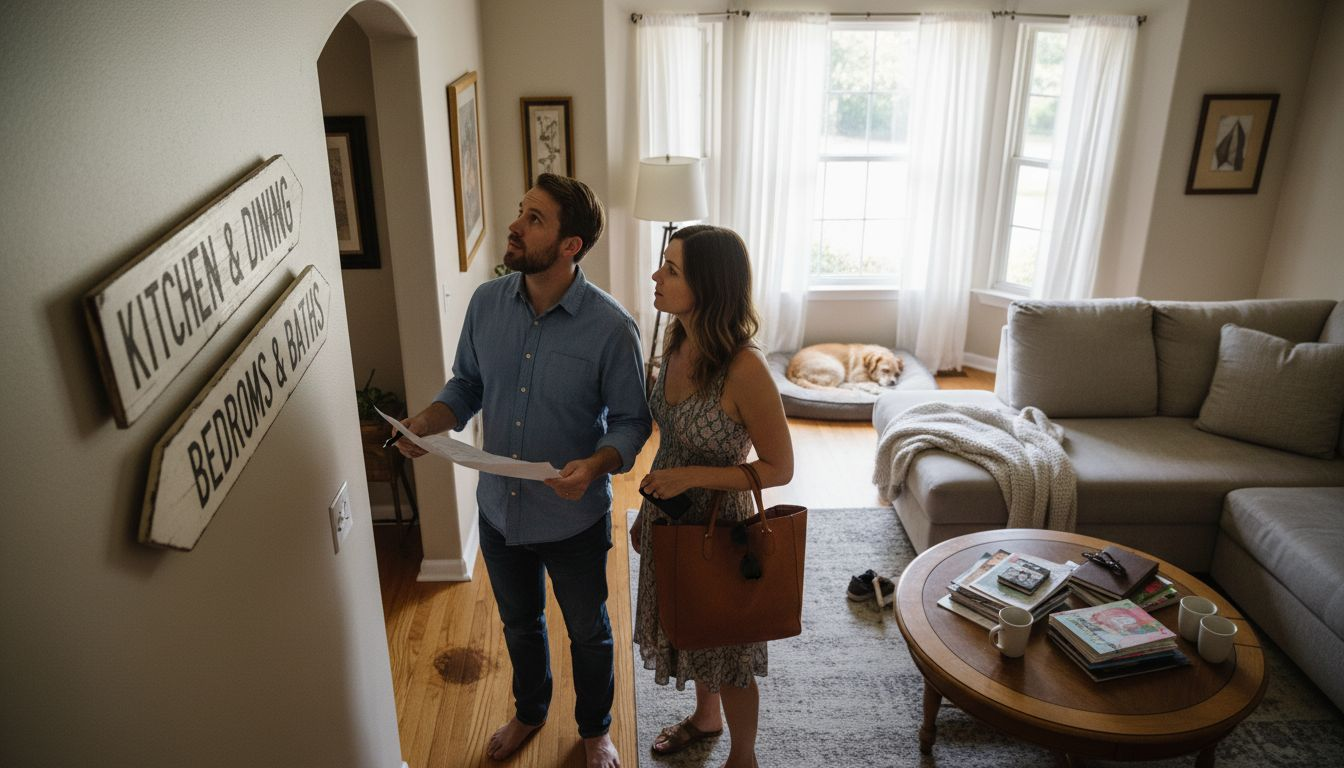
Carefully consider sign placement and visibility principles that ensure your signs communicate effectively. Think about mounting heights placement angles and line of sight critical factors that determine how easily visitors can read and understand your signs. Position directional signs at key decision points like room entrances hallway intersections and near staircases where visitors naturally pause and look for guidance. Ensure signs are mounted at eye level for standing and seated viewers with clear contrast and legible fonts that are readable from multiple angles.
Remember that sign placement is about creating a seamless experience. Signs should feel like a natural extension of the property not an intrusive addition. Avoid overcrowding spaces with too many signs choose strategic locations that provide necessary information without overwhelming visitors. Consider the visual flow of the space use signs to subtly guide attention toward unique architectural features impressive rooms or key selling points of the property.
Pro tip: Take digital photos of your sign placement and review them objectively as if you were a first time visitor to ensure the signage feels intuitive and unobtrusive.
Step 4: Secure and Stabilize Signage for Safety
Ensuring your open house signs are securely mounted is critical for creating a professional and safe environment for potential buyers. Your goal is to prevent accidents and maintain a polished presentation that reflects your attention to detail.
Follow sign mounting guidelines for durability and safety that protect both your signage and visitors. Choose mounting hardware specifically designed for your wall surfaces whether youre dealing with drywall plaster wood or tile. Select stainless steel fasteners or high bond adhesives that can support the signs weight without damaging surfaces. For lightweight signs consider removable adhesive strips that offer strong temporary attachment without leaving residue. For heavier signs use wall anchors appropriate to the wall material and sign weight ensuring they can support the sign securely.
Pay special attention to potential high traffic areas where signs might be accidentally bumped or brushed against. In hallways near entrances and around tight corners use mounting techniques that keep signs flush against walls and minimize protrusion. Test the stability of each sign by gently pressing to ensure it doesnt wobble or feel loose. If youre using multiple signs in a sequence make sure they are aligned consistently and mounted at the same height to create a uniform professional appearance.
Use this summary to quickly address common sign placement challenges and solutions:
| Challenge | Cause | Effective Solution |
|---|---|---|
| Confusion at intersections | Poor directional signage | Add clear arrows and simple labels |
| Overcrowded visual space | Excessive signs in one area | Limit to essential, well-placed signage |
| Difficult readability | Fonts too small or low contrast | Use larger fonts with strong contrast |
| Signs falling or tilting | Insecure mounting methods | Upgrade to sturdier mounting hardware |
Pro tip: Keep a small level and measuring tape with you during sign installation to guarantee perfectly straight and evenly spaced mounting.
Step 5: Evaluate Sign Placement and Adjust as Needed
Creating an effective signage strategy is an ongoing process that requires continuous monitoring and refinement. Your initial sign placement is just the beginning of ensuring a smooth and intuitive experience for potential buyers during your open house.
Sign placement effectiveness demands regular assessment through systematic observation and feedback collection. Walk through the property from a visitors perspective and critically examine how people interact with your signs. Pay attention to moments of hesitation where visitors seem confused or require additional guidance. Notice if visitors naturally look for signs in certain areas or if they miss important directional cues. Consider gathering informal feedback from colleagues or friends who can provide an objective perspective on your signage strategy.
Document your observations methodically and be prepared to make incremental adjustments. Some signs might need repositioning slightly higher or lower others might require font size changes or different color contrast to improve visibility. Remember that sign placement is dynamic your goal is creating an invisible navigation system that feels natural and effortless. Regularly review your signage setup after each open house making small refinements that progressively improve the visitors experience.
Pro tip: Take smartphone photos of visitors navigation patterns during open houses to help you objectively analyze sign placement effectiveness.
Enhance Your Open House Experience With Custom Indoor Signage Solutions
Navigating the flow of an open house while ensuring every feature shines can be challenging. This guide highlights common hurdles such as confusing pathways, poor visibility of signs, and safety concerns that can diminish a visitor’s experience. Buyers want clear, eye-level wayfinding and well-positioned informational signage that guides them effortlessly through your property — without overwhelming or distracting them. That is exactly where Custom Signs Today steps in, offering bespoke signage crafted to your exact size and style requirements, built to create an invisible yet impactful navigation system.

Ready to make every visitor feel welcomed and oriented from the moment they step inside? Discover a wide range of indoor signage options curated for real estate professionals and home sellers at Uncategorized. With expert craftsmanship and durable materials, your signs will stay securely mounted and visually clear throughout every open house event. Don’t leave your signage to chance—explore innovative solutions now at Custom Signs Today and request your free custom quote today to elevate your property tours with professional, personalized signs.
Frequently Asked Questions
How do I determine the best locations for indoor signage during an open house?
To determine the best locations for indoor signage, walk through the property and identify natural movement patterns and decision points. Take notes on where visitors are likely to pause and need guidance, then create a simple layout to visualize sign placement.
What types of signs should I use for my open house?
Using a mix of sign types enhances your open house experience. Incorporate directional signs to guide movement, informational signs to highlight unique features, room identification signs for clarity, and welcome signs to set the tone at the entryway.
How can I ensure my signage is visible and impactful?
Position your signs at eye level and avoid overcrowding spaces with too many signs. Focus on clear, legible fonts and strategic placement at key intersections to enhance visibility while maintaining a seamless experience for visitors.
What mounting options should I consider for my signage?
Choose durable mounting options that suit your wall surfaces, such as high bond adhesives for temporary signage or stainless steel fasteners for heavier signs. Securely attach signs to reduce the risk of accidents and maintain a polished presentation.
How often should I evaluate and adjust my signage placement?
Regularly assess your signage after each open house. Walk through the property from a visitor’s perspective and make small adjustments based on how visitors interact with your signs, aiming for continuous improvement in clarity and navigation.
What common signage challenges should I look out for?
Watch for confusion at intersections, overcrowding, difficult readability, and signs that may fall or tilt. Use clear arrows for direction, limit to essential signage, ensure large fonts with strong contrast, and check the stability of each sign to address these challenges.