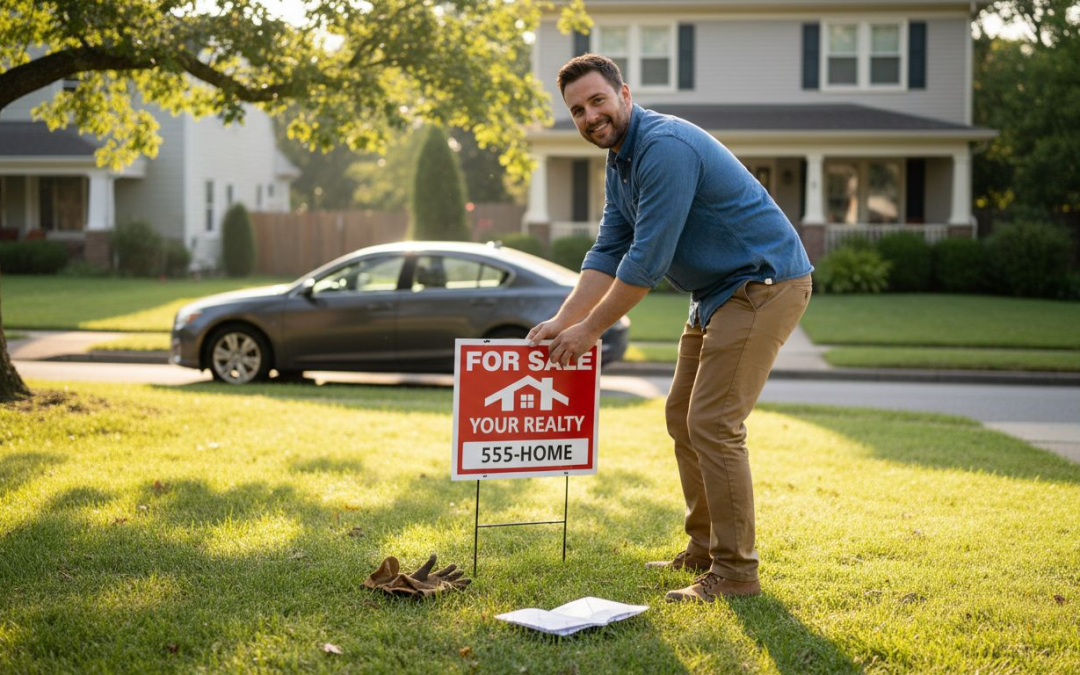
Over 80 percent of American home buyers say street signage first draws their attention to a property. In crowded urban markets, the right sign can set you apart and get results, but one wrong move could lead to fines or missed opportunities. Learn how choosing and positioning your signage with intention helps attract more buyers, keeps your listings compliant with local rules, and boosts your professional reputation.
Table of Contents
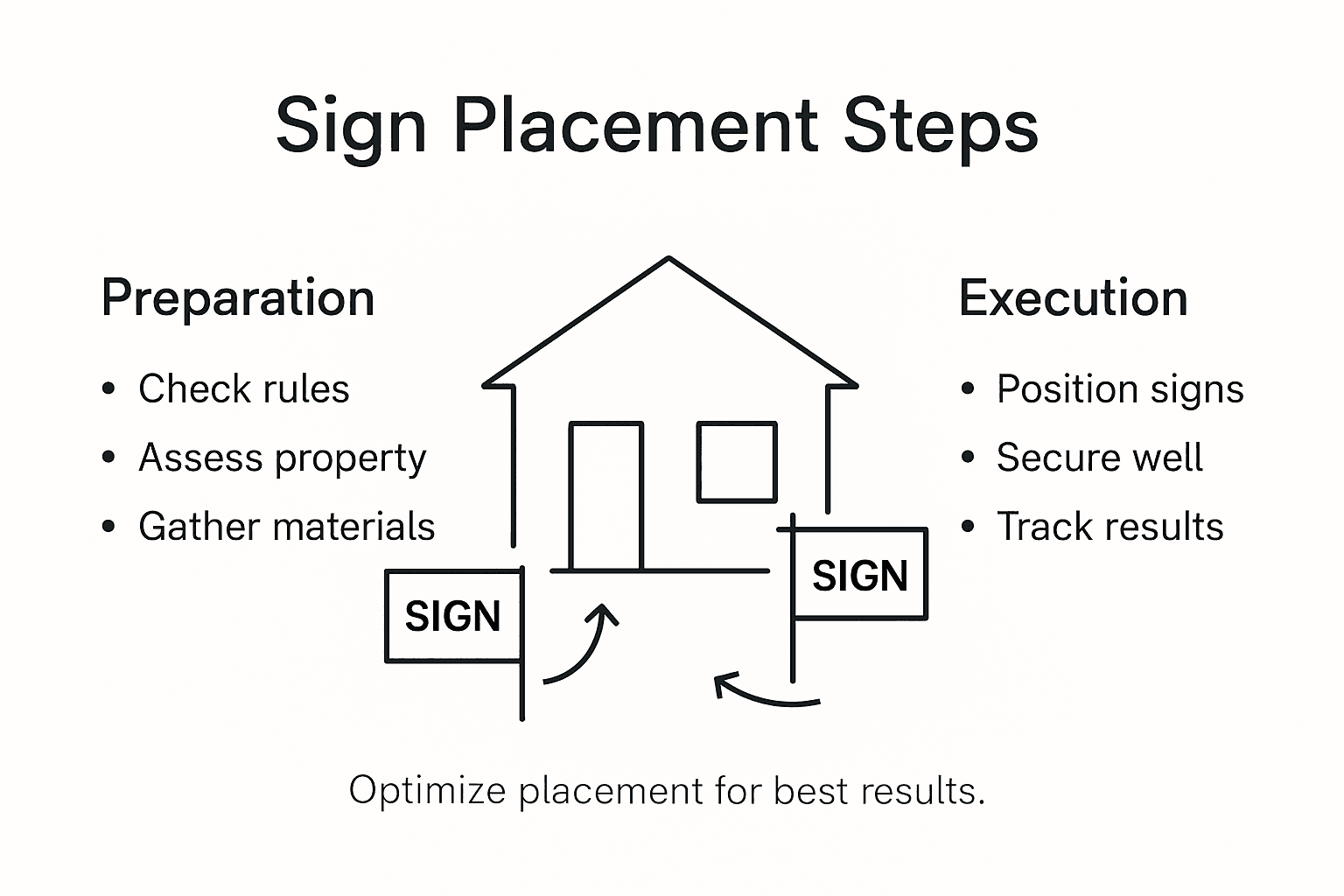
- Step 1: Assess Local Signage Rules And Property Features
- Step 2: Choose Optimal Sign Type And Design For Location
- Step 3: Position Signs For Maximum Visibility And Traffic
- Step 4: Secure Signs For Durability And Weather Resistance
- Step 5: Verify Sign Impact And Adjust Placement As Needed
Quick Summary
| Key Point | Explanation |
|---|---|
| 1. Understand Local Signage Rules | Familiarize yourself with municipal regulations to avoid fines and ensure legal compliance when placing real estate signs. |
| 2. Choose the Right Sign Type | Select materials that fit your property and environment, ensuring high visibility and professional design to attract buyers. |
| 3. Optimize Sign Placement | Position signs where they are most visible to potential buyers, considering traffic patterns and sightlines to maximize exposure. |
| 4. Secure for Durability | Use weather-resistant materials and secure mounting options to maintain sign quality against environmental challenges. |
| 5. Measure and Adjust Sign Impact | Track inquiries generated from your signs and adjust placement or design based on performance analysis for effective marketing. |
Step 1: Assess local signage rules and property features
Before placing real estate signs, you need a strategic approach that respects local regulations and maximizes visibility. Understanding municipal signage requirements is critical to avoiding potential fines and ensuring your marketing efforts are legally compliant. Local municipalities regulate real estate signs with specific guidelines covering sign number, size, placement, and duration.
Start by contacting your local city planning or zoning department to obtain a detailed breakdown of signage restrictions. Typical regulations include limitations on sign quantity (often one per street frontage), maximum dimensions ranging from 2 to 6 square feet, and specific placement rules regarding proximity to roads and public rights-of-way. Pay close attention to restrictions about sign attachment locations, such as prohibitions on utility poles or traffic signs, and time-based limitations for temporary signage.
Carefully evaluate your specific property features to determine the most strategic sign placement. Consider factors like street visibility, landscape obstacles, setback distances from property lines, and potential traffic sightline interference. Some municipalities have strict rules about sign positioning to maintain public safety and aesthetic standards, so your placement must balance marketing effectiveness with legal compliance.
Pro tip: Always keep a printed copy of local signage regulations in your vehicle to quickly reference specific requirements when placing real estate signs.
Step 2: Choose optimal sign type and design for location
Selecting the right real estate sign involves careful consideration of your specific property and marketing goals. Your sign is more than just an information marker it is a critical marketing tool that communicates professionalism and attracts potential buyers. Effective sign design can significantly boost your property’s visibility, making strategic choices crucial for successful real estate marketing.
Consider different sign materials and formats that suit your specific location. Aluminum signs work well for durability in outdoor environments, while coroplast signs offer affordability and lightweight portability. Yard signs with metal stakes provide stability in various terrain conditions. Your design should incorporate high contrast colors that are easily readable from a distance, ensuring your contact information stands out. Include essential information such as your phone number, website or email, and use fonts that are clear and professional.
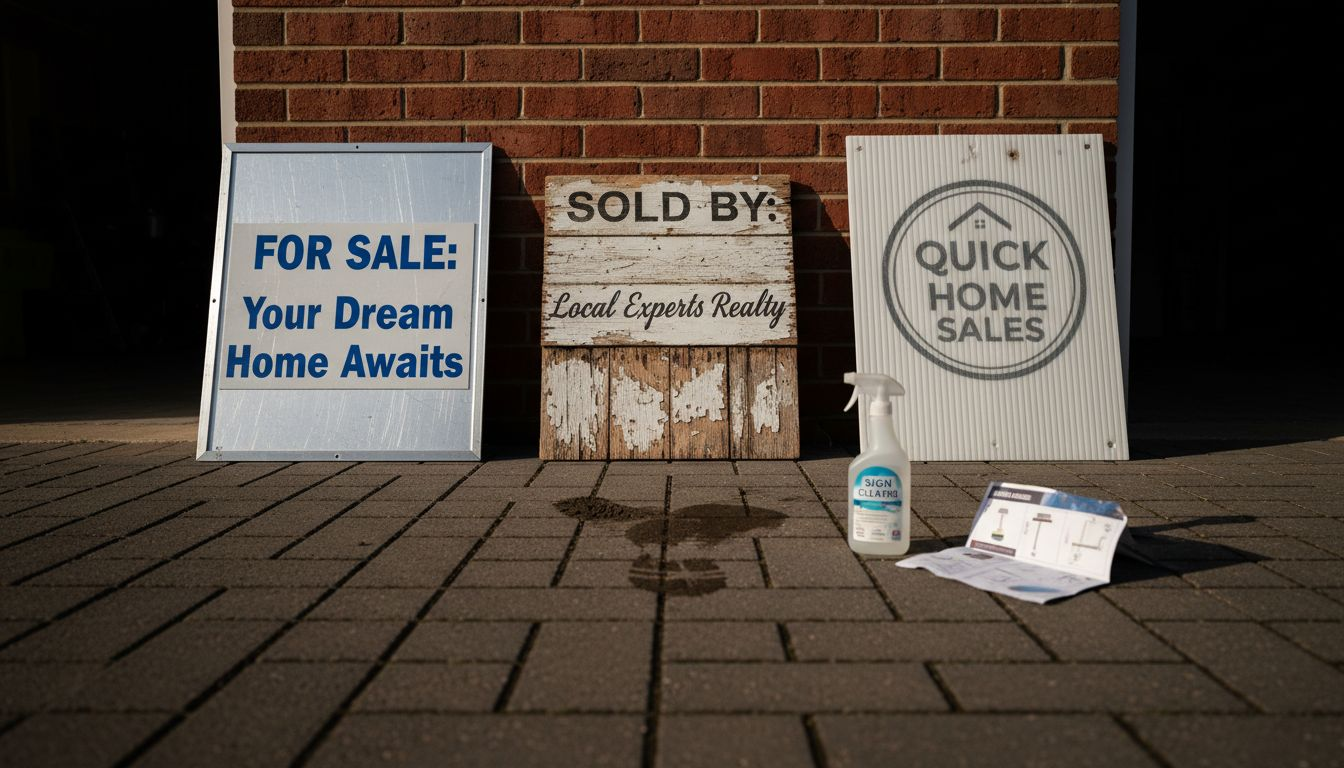
Think about your property’s unique characteristics when designing your sign. Urban properties might require sleek minimalist designs that complement modern architecture, while rural or suburban listings could use more traditional layouts. Consider mounting options like post mounted signs for corner lots or hanging signs for properties with limited ground space. Always ensure your sign complements the neighborhood aesthetic while remaining distinctive enough to catch a potential buyer’s attention.
Here is a comparison of popular real estate sign materials and their advantages:
| Material Type | Durability | Cost | Best Use Scenario |
|---|---|---|---|
| Aluminum | 5-10 years | Moderate-High | Long-term, high-traffic areas |
| Coroplast | 1-2 years | Low | Short-term, temporary listings |
| PVC Plastic | 2-4 years | Moderate | Suburban or weather-prone areas |
| Wood | 3-5 years | Moderate-High | Traditional or luxury properties |
Pro tip: Choose sign colors that contrast with your neighborhood background to maximize visual impact and readability.
Step 3: Position signs for maximum visibility and traffic
Optimizing real estate sign placement requires strategic thinking and careful observation of your property’s unique characteristics. Proper positioning of signs involves understanding traffic patterns and maximizing visual exposure, ensuring potential buyers can easily spot your property listing.
Start by identifying the most high traffic areas around your property. Signs should be mounted at eye level or slightly higher to capture attention without obstructing views. For corner lots, consider installing dual facing signs to increase visibility from multiple angles. Angle your signs towards oncoming traffic to create the best sightlines and ensure drivers can read the information quickly. Pay close attention to potential visual obstructions like trees, utility poles, or parked vehicles that might block your sign’s view.
Take time to analyze the daily traffic flow and peak viewing times in your specific location. Urban areas might require different positioning strategies compared to suburban or rural settings. Experiment with sign placement during different times of day to understand when most potential buyers are likely to pass by. Remember that your sign is essentially a 24/7 marketing tool that communicates essential property information to anyone driving or walking past your listing.
Here is a quick reference for sign placement strategies in different environments:
| Property Type | Recommended Sign Placement | Key Consideration |
|---|---|---|
| Urban | Eye-level on main frontage | Maximize street exposure |
| Suburban | Corner lot or angled to traffic | Avoid landscaping obstructions |
| Rural | Entrance near main road | Greater distance from property |
| Multi-family/unit | Multiple signs by main entrances | Clear property identification |
Pro tip: Walk across the street and view your sign placement from multiple perspectives to ensure maximum readability and impact.
Step 4: Secure signs for durability and weather resistance
Protecting your real estate sign from environmental challenges is crucial for maintaining a professional marketing presence. Weatherproof covers and durable materials are essential for preserving sign quality in outdoor conditions, ensuring your property listing remains visible and attractive.
Choose sign materials that can withstand local weather conditions. Aluminum composites offer superior durability, typically lasting 5 to 10 years compared to corrugated plastics that deteriorate within 1 to 2 years. Consider adding reinforced frames and proper anchoring to prevent wind damage. Reflective coatings and solar lighting can help maintain readability during low light conditions and enhance visibility. Look for signs with wind tolerant designs that include sturdy mounting options and weighted bases to prevent toppling during storms.
Implement a regular maintenance routine to extend your sign’s lifespan. Clean the sign periodically to remove dirt and debris, and inspect mounting hardware for any signs of wear or damage. Check the sign’s positioning to ensure it remains secure and upright, especially after severe weather events. Consider using waterproof protective covers that fit snugly and prevent moisture seepage if your area experiences frequent rain or intense sunlight.
Pro tip: Invest in UV resistant materials and conduct monthly inspections to catch and address potential weather damage early.
Step 5: Verify sign impact and adjust placement as needed
Measuring the effectiveness of your real estate sign is crucial for maximizing your marketing efforts and generating quality leads. Tracking inquiries and analyzing sign performance provides valuable insights into your signage strategy, helping you make data-driven decisions about placement and design.
Implement systematic methods to evaluate your sign’s impact. Use tools like unique phone numbers or QR codes that link to digital listings to track direct engagement from potential buyers. Keep a detailed log of inquiries, noting how many were generated specifically from passersby who noticed your sign. Pay attention to the time of day, traffic patterns, and visibility conditions that might influence sign effectiveness. If you notice a decrease in inquiries or receive feedback about sign readability, be prepared to adjust the sign’s location, orientation, or design.
Conduct regular visibility audits by walking or driving past your property at different times and from various angles. Assess whether your sign is easily readable, unobstructed, and positioned to catch the eye of potential buyers. Consider factors like landscaping changes, new construction, or seasonal variations that might impact sign visibility. Be flexible and willing to experiment with different placements or sign styles to optimize your marketing approach.
Pro tip: Create a simple spreadsheet to track sign generated leads and review it monthly to identify performance trends.
Unlock the Power of Perfect Real Estate Sign Placement
Struggling to find the right spot for your real estate signs that complies with local rules while catching the eyes of potential buyers? This article showed how vital it is to understand signage regulations, choose durable materials, and position your signs where traffic and visibility combine for maximum impact. If you want signs designed to fit neighborhood aesthetics and withstand harsh weather, having professional, custom-made signage can make all the difference in transforming your listings into leads.
Elevate your real estate marketing with high-quality, custom signs crafted specifically for your property and local environment. Explore expert solutions on our Uncategorized page and connect with a trusted provider who understands your unique signage challenges. Don’t let poorly designed or positioned signs cost you valuable prospects. Visit Custom Signs Today now to request a free quote and start turning every passerby into a potential buyer.
Frequently Asked Questions
What are the local regulations regarding real estate sign placement?
Understanding local signage regulations is crucial for effective real estate sign placement. Start by contacting your local city planning department to obtain a clear breakdown of rules on sign size, number, and placement to avoid fines and ensure compliance.
How do I choose the right sign type for my property?
Selecting the right sign type depends on your property and marketing goals. Evaluate materials like aluminum for durability or coroplast for temporary signs, and ensure your sign design includes readable fonts and high-contrast colors to attract potential buyers.
What are the best practices for positioning real estate signs?
To maximize visibility, position signs at eye level in high-traffic areas, angling them towards oncoming traffic. Regularly check for visual obstructions such as trees or vehicles, and consider experimenting with placement during different times of day to find the most effective spot.
How can I protect my signs from weather damage?
Use durable materials and consider reinforcing your signs against strong winds. Implement a maintenance routine that includes regular cleaning and checking for damage to ensure your signs remain visible and professional in varying weather conditions.
How do I measure the effectiveness of my real estate sign?
Track the effectiveness of your real estate sign by using unique phone numbers or QR codes to record inquiries. Maintain a log of inquiries generated from your sign and conduct visibility audits regularly to adjust placement or design to optimize performance.
What should I do if my sign is not generating inquiries?
If your sign isn’t generating inquiries, assess its visibility and placement to ensure it’s reaching potential buyers. Consider changing its orientation or relocating it if necessary, and make note of each adjustment’s impact in a tracking document to refine your strategy.