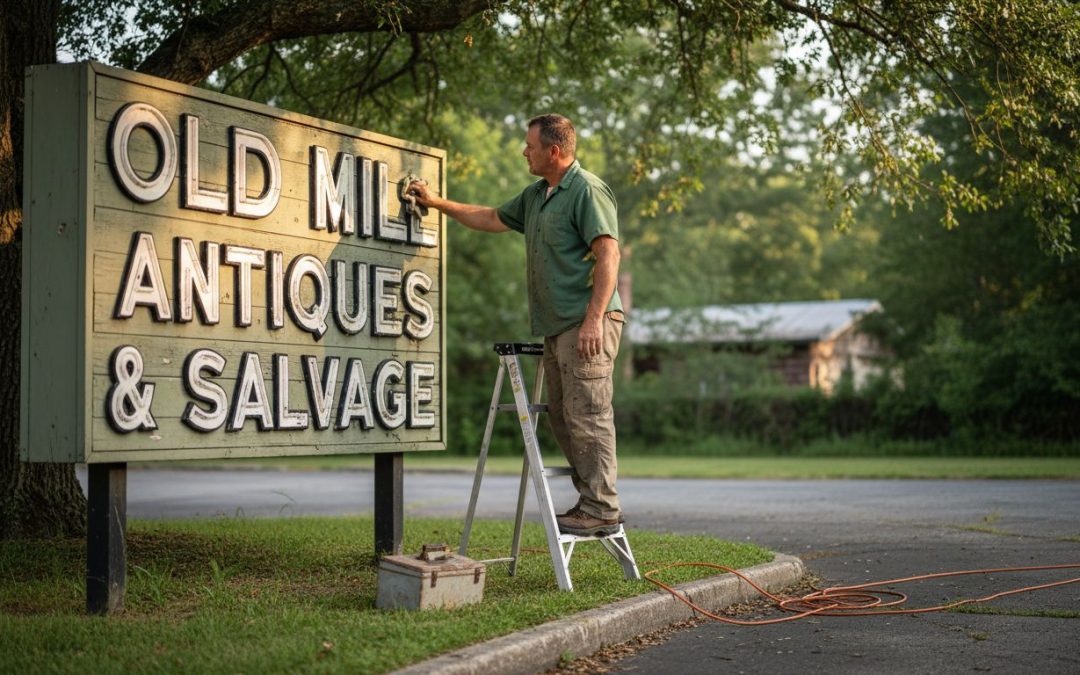
Most American business owners underestimate how much a neglected sign can hurt their image and sales. Research shows that over 50 percent of consumers believe a worn or hard-to-read sign reflects poorly on a company. Keeping your outdoor sign clean and well maintained is more than just about appearances—it protects your brand’s reputation and helps attract every potential customer passing by. The steps ahead show clear, practical ways to keep your American signage vibrant, durable, and always in top condition.
Table of Contents
- Step 1: Assess Sign Location And Condition
- Step 2: Gather Essential Cleaning Supplies
- Step 3: Clean Surfaces Thoroughly And Safely
- Step 4: Inspect For Damage And Wear
- Step 5: Apply Protective Finishes Or Sealants
- Step 6: Document Maintenance And Schedule Future Checks
Quick Summary
| Important Insight | Explanation |
|---|---|
| 1. Regularly Assess Sign Location | Periodic evaluations of sign placement and condition are essential for maintaining visibility and effectiveness in communicating messages. |
| 2. Prepare Proper Cleaning Supplies | Assemble a specialized cleaning kit with soft materials and non-abrasive solutions to avoid damaging the sign during maintenance. |
| 3. Thoroughly Clean Sign Surfaces | Use gentle cleaning techniques and mild solutions to preserve the sign’s appearance and structural integrity during the cleaning process. |
| 4. Document Maintenance Activities | Keep systematic records of inspections, cleaning procedures, and repairs to monitor the sign’s condition over time effectively. |
| 5. Apply Protective Finishes | Use high-quality sealants to protect signs from environmental damage, ensuring durability and longevity in outdoor conditions. |
Step 1: Assess Sign Location and Condition
Assessing the location and condition of your outdoor sign is crucial for maintaining its effectiveness and longevity. This critical first step involves carefully evaluating the physical placement and current state of your sign to ensure it continues delivering a powerful visual message.
Begin by walking around your sign and performing a comprehensive visual inspection. Check for any signs of environmental wear such as fading, rust, peeling paint, or structural damage. According to federal highway safety guidelines, periodic inspections are essential to verify that signs remain functional and visible both during daytime and nighttime conditions. Pay special attention to potential obstructions like overgrown vegetation, parked vehicles, or accumulated debris that might compromise your sign’s visibility.
Specifically examine the mounting hardware, support structures, and ground anchoring to confirm everything remains stable and secure. Signs exposed to harsh weather or high traffic areas will require more frequent assessments. The Texas Department of Transportation recommends proactively managing surrounding vegetation through strategic trimming or controlled herbicide application to maintain clear sightlines. Take detailed notes or photographs during your inspection to track any developing issues and establish a baseline for future maintenance comparisons.
Quick tip: Always assess your sign under different lighting conditions morning, midday, and evening to understand how environmental factors impact its visibility and readability.
Step 2: Gather Essential Cleaning Supplies
Preparing the right cleaning supplies is a critical step in maintaining your outdoor sign and ensuring its long-lasting appearance and functionality. This stage sets the foundation for a thorough and effective cleaning process that protects your sign from potential damage.
Federal Highway Administration guidelines recommend assembling a comprehensive cleaning kit that includes several key components. Start by selecting soft bristle brushes or microfiber cloths to prevent scratching the sign surface. Purchase non abrasive cleaning solutions specifically designed for outdoor signage materials. According to highway maintenance recommendations, choose cleaners that are free from harsh solvents and test them on a small area before full application.
Your cleaning kit should include several essential items soft cloths, mild detergent, water bucket, ladder or stable platform for reaching higher signs, protective gloves, and optional spray bottles for controlled application. Avoid using pressure washers or aggressive cleaning techniques that might damage the sign surface. Always work systematically from top to bottom to prevent streaking and ensure complete coverage. Quick tip: Keep a separate set of cleaning supplies exclusively for your outdoor signs to maintain their specialized condition and prevent cross contamination with other cleaning materials.
Step 3: Clean Surfaces Thoroughly and Safely
Cleaning your outdoor sign is a delicate process that requires precision and care to maintain its visual quality and structural integrity. This step transforms your sign from looking weathered and worn to crisp and professional.
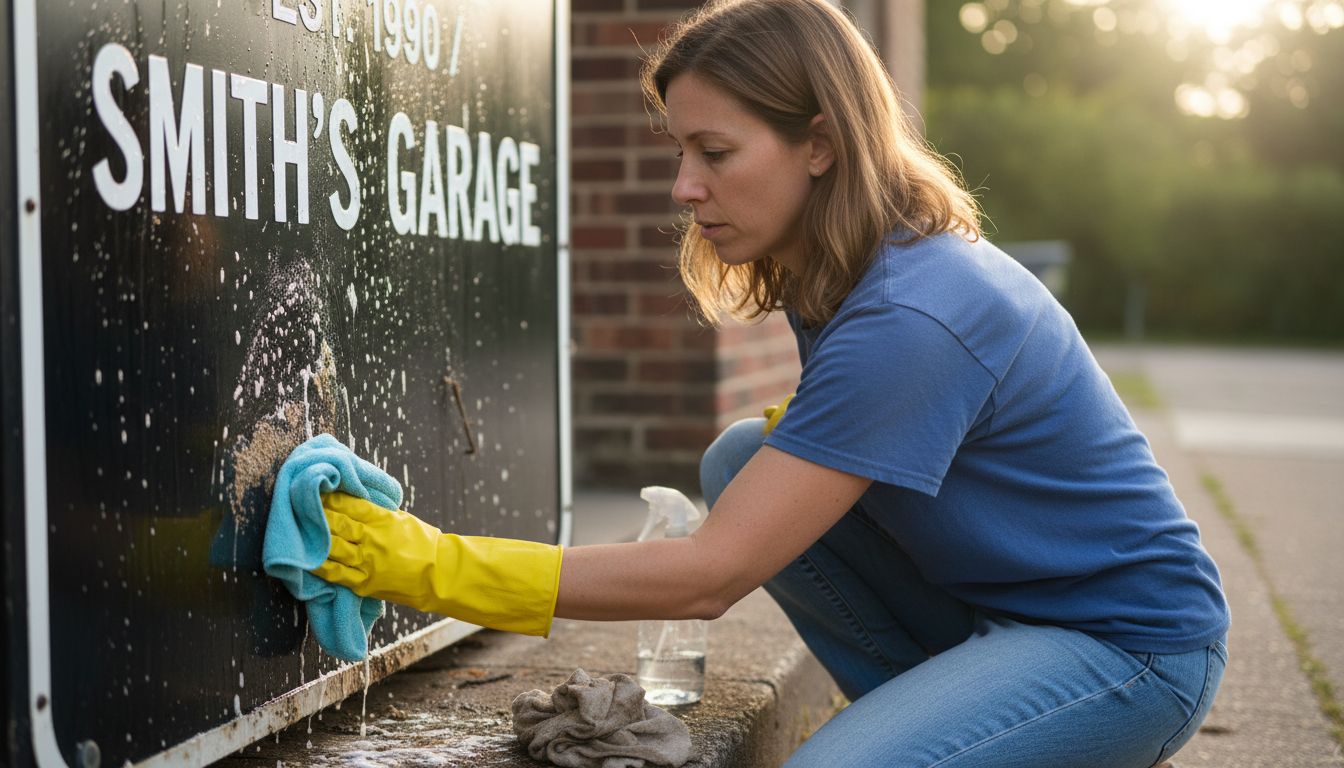
Federal Highway Administration recommendations emphasize using non abrasive cleaning techniques that protect the sign surface. Begin by preparing a gentle cleaning solution using mild detergent and lukewarm water. Use soft microfiber cloths or soft bristle brushes to remove dirt and grime without scratching the surface. Work methodically from top to bottom using light circular motions, ensuring you do not apply excessive pressure that could damage the sign material.
Pay special attention to areas with accumulated dirt or stubborn stains. According to Texas Department of Transportation guidelines, maintaining sign visibility requires thorough yet careful cleaning. Rinse your cleaning cloth frequently to prevent transferring dirt back onto the surface. After cleaning, use a separate dry microfiber cloth to prevent water spots and ensure a streak free finish. Quick tip: Always test your cleaning solution on a small inconspicuous area first to confirm it will not cause discoloration or damage to your specific sign material.
Step 4: Inspect for Damage and Wear
Inspecting your outdoor sign for potential damage is a critical maintenance step that helps preserve its appearance and functionality. This thorough examination allows you to identify and address issues before they become more significant problems.
Federal Highway Administration guidelines recommend conducting periodic comprehensive inspections to ensure signs remain effective and visible. Start by carefully examining the entire sign surface for signs of wear such as fading, cracking, peeling paint, rust spots, or structural misalignment. Pay close attention to mounting hardware, checking for loose bolts, corroded attachments, or signs of metal fatigue that could compromise the sign’s stability.
According to Texas Department of Transportation maintenance protocols, trained personnel should systematically document any observed damages. Use natural lighting to help reveal subtle imperfections that might be missed under artificial illumination. Look for environmental impacts like sun damage, moisture intrusion, or evidence of animal interference. Quick tip: Take clear photographs of any damage you discover to help track changes over time and provide visual documentation for potential repair or replacement decisions.
Step 5: Apply Protective Finishes or Sealants
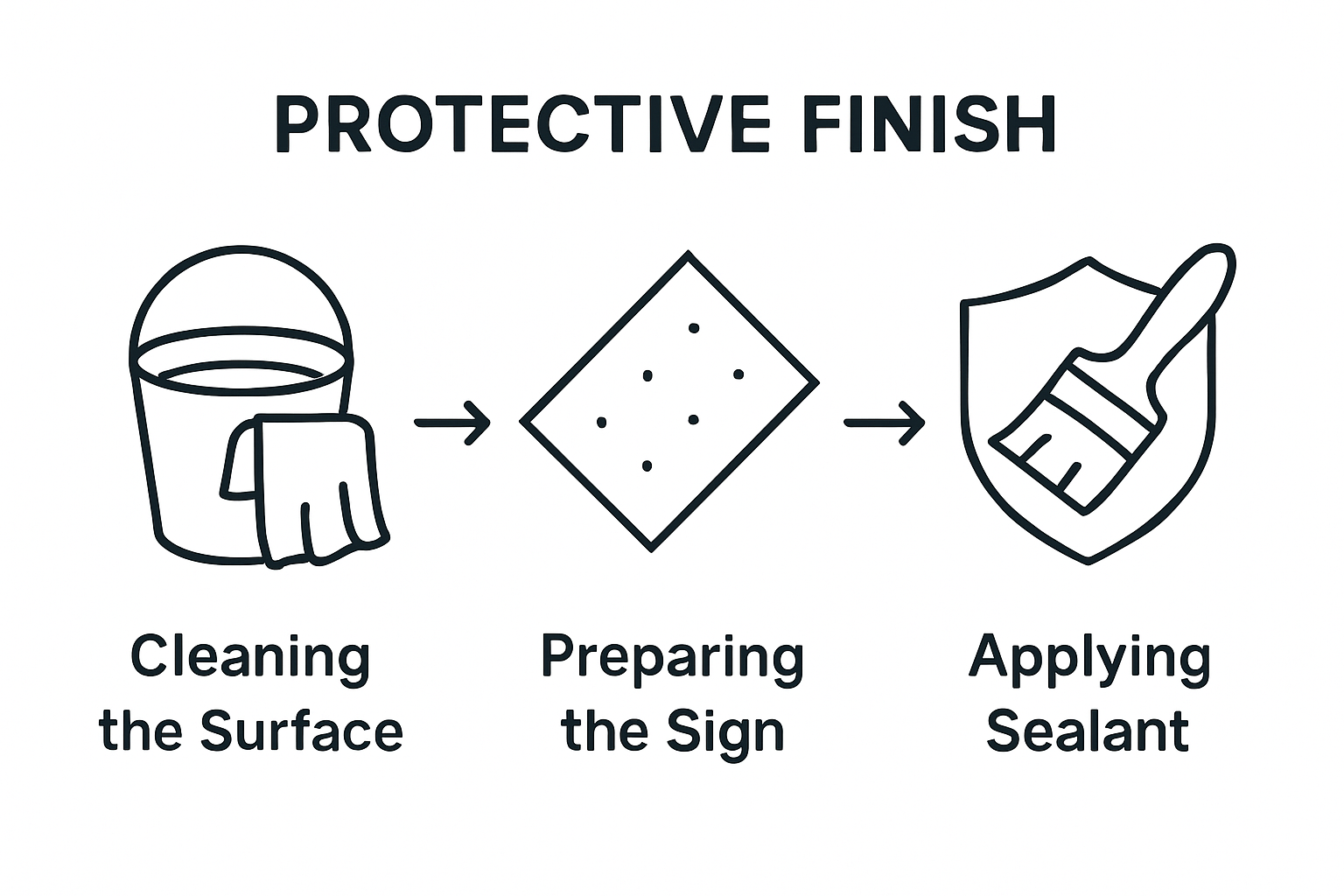
Protective finishes and sealants are your sign’s last line of defense against environmental wear and degradation. This crucial step helps extend your sign’s lifespan by creating a barrier that shields the surface from moisture, UV radiation, and other damaging elements.
Bureau of Reclamation sign guidelines recommend using high quality protective materials that adhere properly to the sign surface. Begin by selecting a clear protective coating compatible with your sign’s specific material whether it is metal, wood, or synthetic. Apply the sealant using smooth even strokes with a professional grade applicator or soft brush, ensuring complete and uniform coverage. Work in a well ventilated area with moderate temperature to promote optimal adhesion and drying.
Federal Highway Administration maintenance recommendations emphasize the importance of surface preparation before applying any protective finish. Thoroughly clean and dry the sign surface to remove any residual dirt or moisture that could interfere with the sealant’s bonding process. Pay special attention to edges and corners where moisture might accumulate. Quick tip: When applying transparent protective film, use a squeegee to eliminate air bubbles and ensure a smooth professional finish that will help your sign withstand harsh outdoor conditions.
Step 6: Document Maintenance and Schedule Future Checks
Documenting your sign maintenance process creates a critical historical record that helps track the sign’s condition and plan future upkeep. This systematic approach ensures you stay proactive about preserving your sign’s quality and performance.
Federal Highway Administration guidelines emphasize the importance of maintaining comprehensive maintenance records. Create a detailed log that includes the date of inspection, specific conditions observed, cleaning procedures performed, any repairs made, and photographs documenting the sign’s condition. Use a dedicated digital spreadsheet or maintenance journal to track these details consistently. Consider including information about environmental factors like local weather conditions, surrounding vegetation, and potential impact zones that might affect your sign.
According to Texas Department of Transportation protocols, establishing a regular inspection schedule is crucial for long term sign preservation. Develop a calendar with scheduled maintenance intervals typically every six months or annually depending on your sign’s exposure and material. Quick tip: Set digital reminders on your smartphone or create recurring calendar events to ensure you never miss a scheduled maintenance check and can systematically track your sign’s condition over time.
Keep Your Outdoor Signs Impactful With Expert Custom Solutions
Maintaining the visibility and durability of outdoor signs can be challenging with constant exposure to weather and environmental factors. This guide highlights the importance of thorough cleaning, damage inspections, and protective finishes to prolong your signage’s life and clarity. If you want to avoid fading, structural issues, or visibility loss, professional custom signage solutions designed with high-quality, weather-resistant materials can be your best investment.

Explore a wide range of customizable options at Custom Signs Today to ensure your signs always leave a lasting impression. Whether you need replacements, upgrades, or protective accessories, visit our Uncategorized category to discover versatile sign types tailored for outdoor resilience. Ready to enhance your business visibility with durable signage crafted to withstand the elements Act now and request a free quote to take the first step toward signage that performs season after season.
Frequently Asked Questions
How often should I inspect my outdoor sign for maintenance?
You should inspect your outdoor sign at least twice a year to ensure it remains visible and functional. Schedule your inspections for spring and fall to catch any seasonal wear or damage early.
What cleaning supplies do I need to maintain my outdoor sign?
Prepare a cleaning kit that includes soft bristle brushes or microfiber cloths, mild detergent, water, and protective gloves. Gather all supplies before starting to ensure you achieve effective and safe cleaning.
How do I clean my outdoor sign without damaging it?
Use a gentle cleaning solution made from mild detergent and lukewarm water. Clean the sign with soft materials and work from top to bottom using light circular motions to prevent scratches and damage.
What should I look for when inspecting my outdoor sign?
Look for signs of wear such as fading, peeling paint, or rust. Additionally, check the stability of mounting hardware and any structural issues that might affect the sign’s integrity.
How can I protect my outdoor sign from environmental damage?
Apply a high-quality protective sealant after cleaning to create a barrier against moisture and UV damage. Make sure to thoroughly clean the surface first to ensure the sealant adheres properly.
Why is documenting maintenance important for my outdoor sign?
Documenting maintenance helps track your sign’s condition over time and plan for future upkeep. Maintain a detailed log of inspections, cleaning procedures, and any repairs to create a valuable reference for ongoing maintenance.