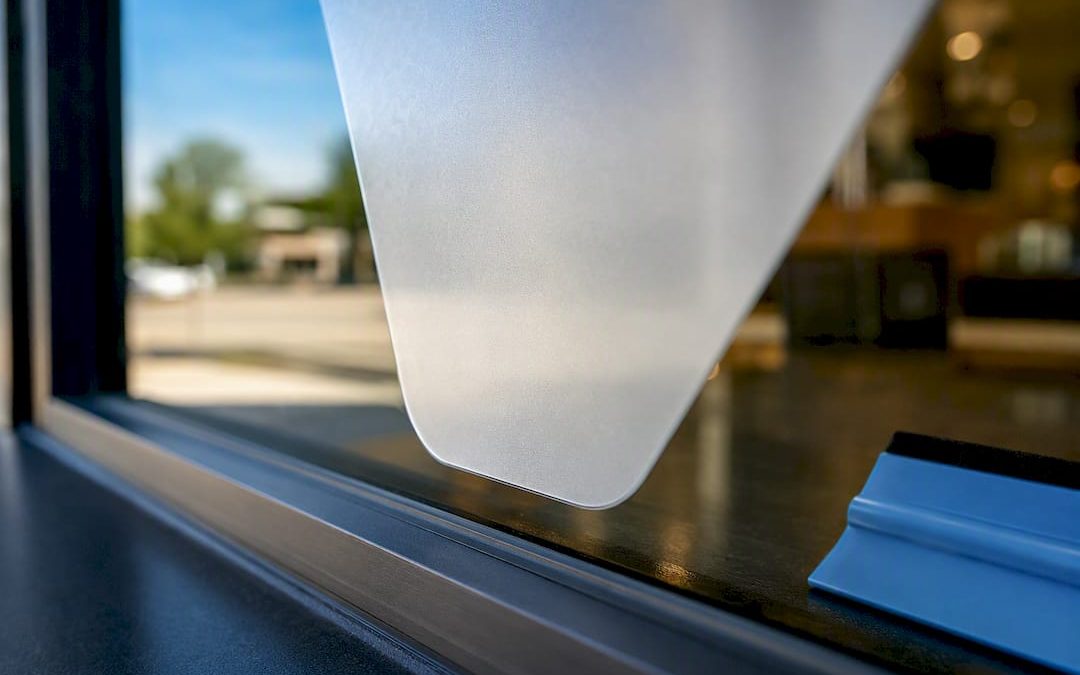
A window cling is a thin sheet of static-cling vinyl or plastic film that sticks to glass through surface contact rather than glue, so it can be applied, peeled off, and reused without leaving residue behind. It’s built for temporary or seasonal displays, not permanent branding. Compared to an adhesive decal, a cling trades long-term durability for the ability to swap out a design in minutes.
TL;DR:
- Static cling vinyl relies on van der Waals forces and surface wetting, making clean, smooth, and glossy glass essential for optimal adhesion.
- Clings are best suited for short-term displays such as seasonal promotions, event signage, and temporary privacy or protective applications.
- Outdoors or in harsh sunlight, a typical static cling’s performance degrades within weeks due to UV damage and surface contamination, requiring replacement.
- Proper application involves thorough cleaning and misting the glass to prevent bubbles, while removal should be done slowly to avoid stretching or damage.
- Reuse of static clings is possible with mild cleaning and proper storage, but outdoor durability remains limited compared to adhesive decals or UV-rated films.
Table of Contents
- What Is a Window Cling Made Of?
- How Do Window Clings Stick to Glass Without Glue?
- Which Type of Window Cling Should You Choose?
- Where Do Window Clings Actually Get Used?
- Window Cling vs. Decal: Which One Actually Fits Your Situation?
- How Do You Apply, Remove, and Store a Window Cling?
- How Long Does a Window Cling Actually Last?
- Is a Window Cling the Right Call for Your Business?
- Get Custom Window Clings Made and Installed the Right Way
- Sources
- FAQ
What Is a Window Cling Made Of?
Most window clings start as a highly plasticized vinyl film formulated to press flat against glass and stay put without a sticky backing. That plasticizer content matters. It’s what makes the vinyl soft and pliable enough to conform to the surface, which is how the material “wets out” the glass, according to General Formulations’ technical data on static cling vinyl. A stiffer, less plasticized vinyl simply won’t hold.
Printers produce these graphics through digital, screen, or offset processes depending on order size and finish requirements, and General Formulations notes the choice usually comes down to run length and image complexity. Beyond the base material, a few choices shape how the finished product looks and performs:
- Clear vs. white/opaque film: clear lets light pass through for a subtle look; white blocks light and makes colors pop.
- Single-sided vs. double-sided printing: double-sided clings read correctly from both inside and outside the glass.
- Matte vs. gloss finish: gloss adds punch to colors; matte cuts glare for busy storefronts.
- UV coating: adds a layer of scratch and fade resistance for clings that will sit in direct sun.
How Do Window Clings Stick to Glass Without Glue?
“Static electricity” is the answer most people reach for, but it’s an oversimplification. A discussion on Physics Stack Exchange examining vinyl static cling points to a more accurate explanation: van der Waals forces combined with the vinyl’s ability to wet out the glass surface. In plain terms, the soft vinyl makes such close, even contact with the glass that microscopic attractive forces between the two surfaces hold it in place, similar to how a wet piece of plastic clings to a bathroom tile.
This is fundamentally different from a pressure-sensitive adhesive, which relies on a tacky glue layer bonding chemically to the surface. A cling has no glue at all. That’s exactly why it releases cleanly.
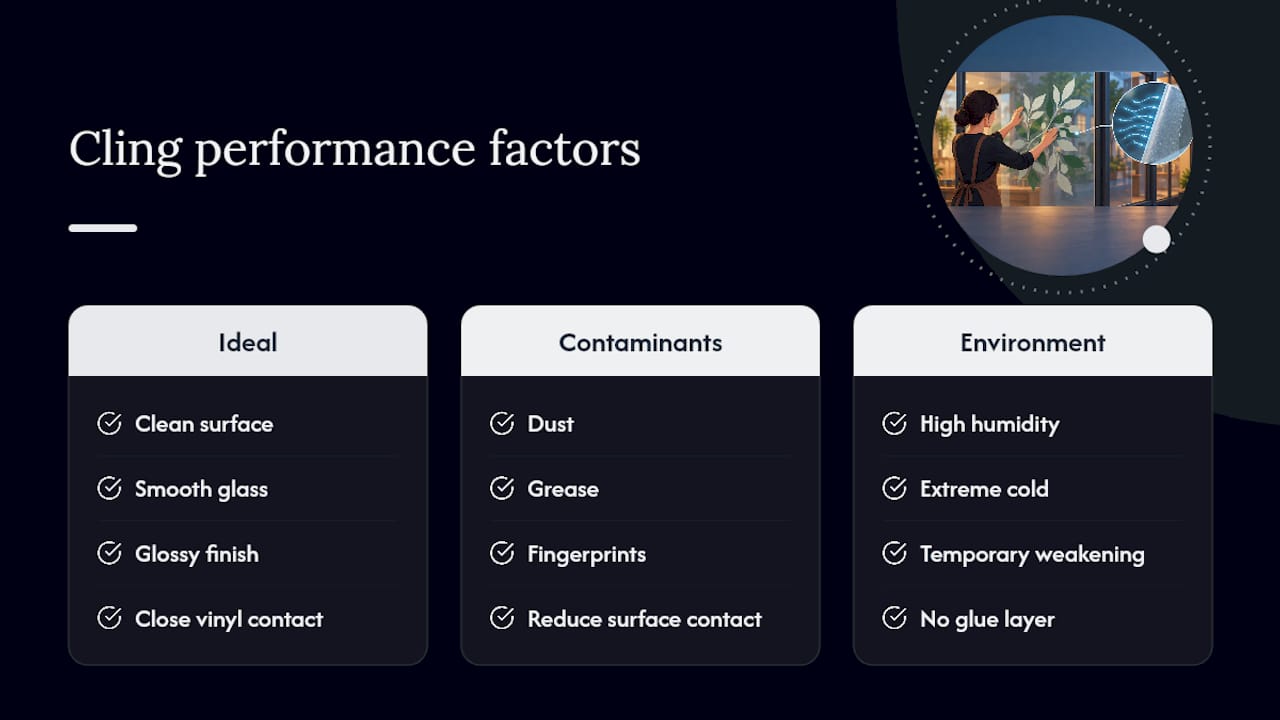
Performance still depends on real-world conditions. Dust, grease, or a textured surface breaks the tight contact the vinyl needs. High humidity or extreme cold can also weaken the bond temporarily. A clean, smooth, glossy surface is the single biggest factor in how well any cling performs.
Which Type of Window Cling Should You Choose?
Window clings split into a few practical categories, and picking the right one depends on where people will be standing when they see it.
- Face cling: printed on the front, viewed from the same side it’s applied, most common for interior displays viewed by people inside the store.
- Back cling: applied to the inside of the glass but designed to be read from outside, the standard choice for storefront windows facing the street.
- Clear cling: lets ambient light through and keeps the window feeling open, good for logos or subtle branding.
- White or opaque cling: blocks the view through the glass, useful for bold graphics or basic privacy.
- Specialty films: frosted or privacy-diffusing clings soften visibility without full blackout, and protective clings shield glass during shipping or display setup. Most specialty and standard clings are engineered for indoor or inside-facing use, since SpeedPro Canada’s breakdown of decals, stickers, and clings notes they generally aren’t weather-resistant.
Where Do Window Clings Actually Get Used?
Retail storefronts lean on clings constantly for seasonal sales, holiday graphics, and limited-time promotions that need to disappear the moment the campaign ends. GotPrint’s guide to window signage points out that clings work well for point-of-purchase signage precisely because they install and remove fast without adhesive residue.
Beyond retail, common applications include:
- Vehicle interior glass: temporary event branding or parking permits placed on inside-facing car windows.
- Event and directional signage: short-term wayfinding for conferences, open houses, or pop-up shops.
- Protective and shipping applications: clings shield glass panels during transit or installation, then peel off cleanly.
- Privacy applications: frosted-style clings on office glass or bathroom windows, swapped out as needs change.
Window Cling vs. Decal: Which One Actually Fits Your Situation?
A cling and a decal solve different problems, and mixing them up is the most common mistake business owners make when ordering signage. A cling excels at anything short-term. Most static clings hold with zero adhesive residue and can be repositioned multiple times before they wear out, based on manufacturer testing of static-cling vinyl formulations from General Formulations.
Here’s where clings win and where they fall short:
- Pros: reusable, no sticky residue, quick to install, easy to reposition mid-project.
- Cons: weaker hold than adhesive, poor resistance to weather and UV exposure, sensitive to dust or grease on the glass.
Run through this checklist before ordering:
- Is the display temporary (weeks to a few months) or permanent? Clings suit temporary; a window decal suits permanent branding.
- Will the graphic face outdoor weather? If yes, an adhesive decal or specialty outdoor film holds up better.
- Is the glass smooth and glossy? Textured or etched glass won’t hold a cling well.
- Do you need to reuse the same graphic in future seasons? A cling can be cleaned and stored for reuse; a decal generally can’t.
How Do You Apply, Remove, and Store a Window Cling?
Getting a clean install comes down to preparation as much as technique.
- Clean the glass thoroughly with isopropyl alcohol or a mild detergent and a lint-free cloth. Any dust or grease left behind will weaken the bond.
- For larger clings, lightly mist the glass with water before applying. This lets you slide the film into position before it settles.
- Press the cling onto the glass starting from one edge, using a squeegee or soft card to push outward and force air bubbles toward the edges.
- Trim excess film with a sharp blade if the piece overhangs the glass edge.
- To remove, peel slowly from one corner at a consistent angle rather than pulling straight off, which can stretch the vinyl.
- Wash both the cling and the glass with mild soap and water, dry flat, and store the cling flat or loosely rolled to keep it from creasing.
Pro Tip: Mist the glass with a spray bottle before applying anything larger than a sheet of paper. The water lets you shift the cling into place and squeegee out air pockets, which is the single biggest fix for the bubbled, lumpy look most first-time installs end up with, according to installation guidance from GotPrint.
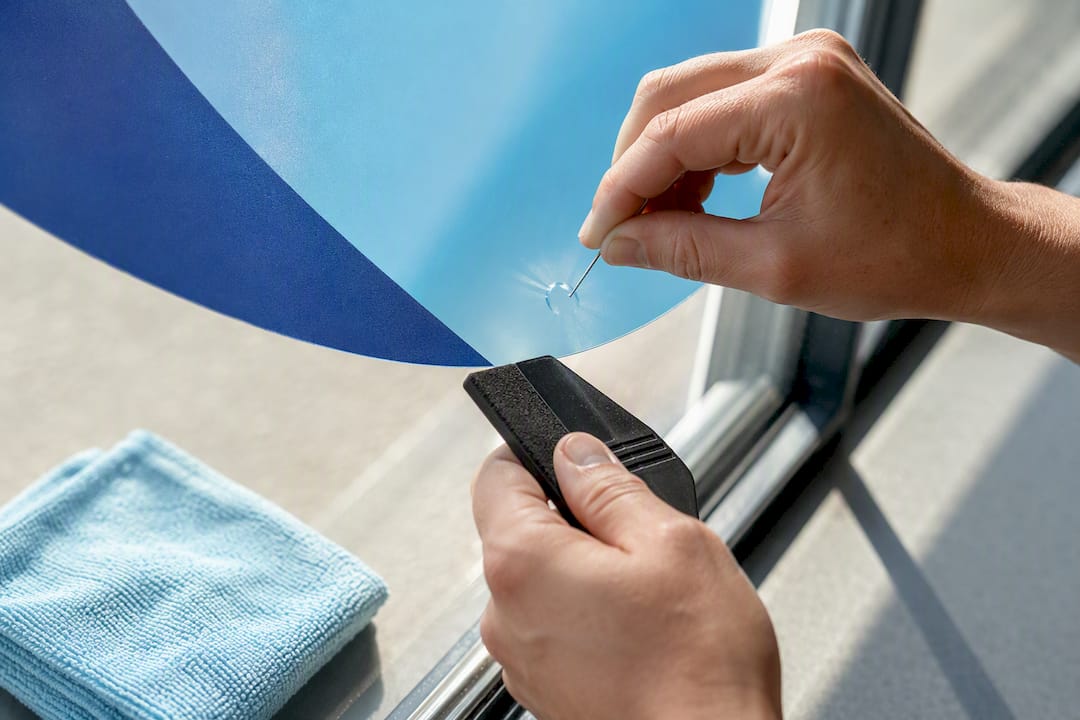
If bubbles show up after the cling has settled, a pin prick at the center of the bubble followed by a light squeegee push usually flattens it out. Curled edges after a few weeks almost always trace back to dust trapped under the corner. Lift that corner, wipe both surfaces, and press it back down.
How Long Does a Window Cling Actually Last?
Indoors, away from direct sun and temperature swings, a quality static cling can hold its look and grip for several months to a year of on-and-off use. Outdoors or in direct sunlight, UV exposure breaks down the vinyl’s plasticizers much faster, causing fading, stiffening, and edge curl within weeks.
The most common failure modes are edge curl from trapped dust, gradual loss of grip from surface contamination, and fading from sun exposure. Cleaning the cling and the glass with mild soap and water, as recommended by YouStickers’ comparison of window stickers and clings, restores grip often enough to get another season out of the same piece. Once a cling is faded, brittle, or won’t hold at all after cleaning, it’s time to reorder or step up to an adhesive decal or a UV-rated outdoor film instead.
Is a Window Cling the Right Call for Your Business?
Window clings make the most sense when the message has an expiration date. A holiday promotion, a grand-opening banner, a temporary “now hiring” notice on the door. Where the assumption breaks down is when business owners try to stretch a cling into a permanent branding role facing direct sun. It fades, curls, and needs replacing far sooner than a proper decal would.
My practical read: budget for clings as a marketing tool you’ll refresh seasonally, not as a one-time purchase. For anything permanent or outward-facing on a storefront, get a quote and talk through material options before committing.
— Yossi
Get Custom Window Clings Made and Installed the Right Way
You can obtain professionally printed clings with design help, material guidance on clear versus opaque film, and installation support to avoid common issues like bubbles or crooked application.

Whether you need a single storefront promo or a full rotation of seasonal graphics, the process starts with a simple quote request. Custom Signs Today can also point you toward a longer-lasting window decal or vinyl window wrap if your project needs to survive direct sun or stay up for years rather than weeks. Ready to see your design on your own glass? Request a custom signage quote and get material recommendations back before you order anything.
Sources
Readers who want the technical specifics behind this guide can go straight to the source material. General Formulations’ static cling vinyl datasheet covers the plasticized vinyl formulation and printing process options in manufacturer detail. GotPrint’s window signage guide walks through practical application technique, including the wet-apply method for larger graphics. SpeedPro Canada’s comparison of decals, stickers, films, and clings lays out where clings fit against other window graphic types. The physics behind the bond itself is explored in a Physics Stack Exchange thread on vinyl static cling, and YouStickers’ cling versus sticker breakdown covers cleaning and reuse in more depth.
- PROPERTIES OF STATIC CLING VINYL (General Formulations)
- Everything You Need to Know About Window Signage (GotPrint blog)
- How exactly do vinyl static clings work? (Physics Stack Exchange)
- Window stickers vs window clings: Which should you use? (YouStickers)
FAQ
What Is the Difference Between a Cling and a Sticker?
A sticker or decal uses a permanent adhesive layer that bonds chemically to the surface and typically leaves residue when removed. A window cling has no adhesive at all. It stays in place through surface contact and vinyl wetting, so it peels off clean and can be reused, per YouStickers.
Can You Reuse a Window Cling?
Yes. Washing both the cling and the glass with mild soap and water and letting them dry flat restores the grip enough to reapply the same cling for another season, according to YouStickers.
Do Window Clings Work Outdoors?
Static clings generally aren’t built for weather exposure. SpeedPro Canada notes they’re best suited to indoor or inside-facing glass, since UV rays and temperature swings degrade the vinyl faster than they would indoors.
How Do I Stop Bubbles When Applying a Cling?
Lightly mist the glass with water before pressing the cling into place, then work outward from the center with a squeegee or soft card. This lets you reposition the film before the water evaporates, which GotPrint recommends specifically for larger graphics.
Does Custom Signs Today Make Custom Window Clings?
Yes, custom window clings and window graphics are available through Custom Signs Today’s signage services, with material guidance included to help you pick between a temporary cling and a longer-lasting decal. Pricing is provided after a quote request based on size and design.