{
“@type”: “Article”,
“image”: {
“url”: “https://csuxjmfbwmkxiegfpljm.supabase.co/storage/v1/object/public/blog-images/organization-6408/1772255949685_image.png”,
“@type”: “ImageObject”,
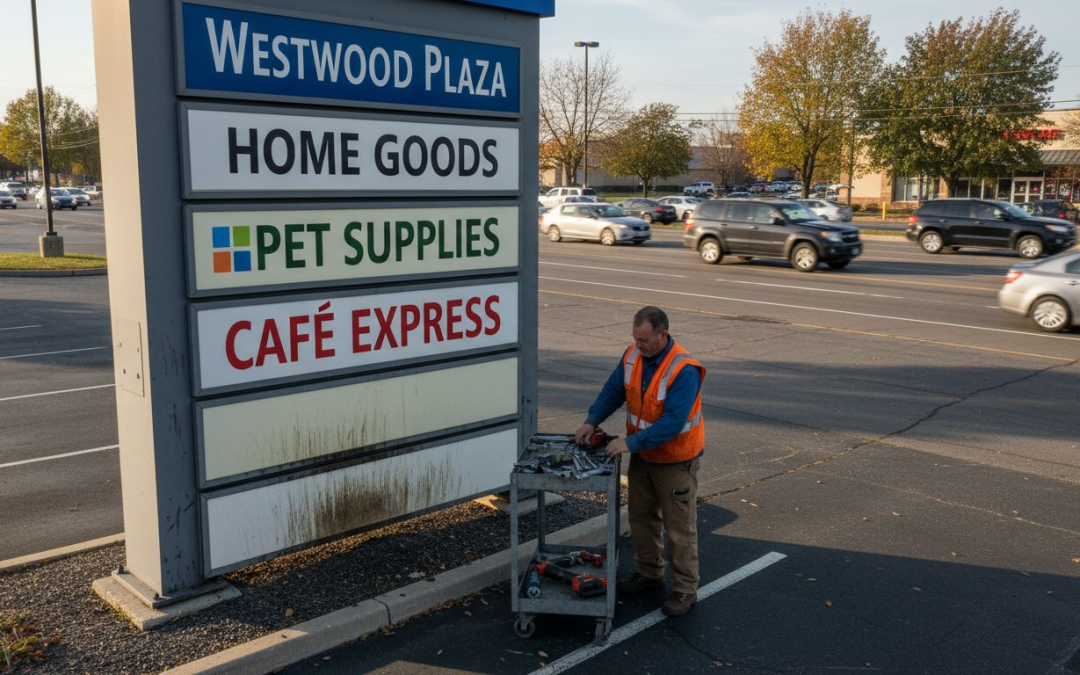
“caption”: “Technician working by tall pylon sign near traffic”
},
“author”: {
“url”: “https://customsignstoday.us”,
“name”: “Customsignstoday”,
“@type”: “Organization”
},
“@context”: “https://schema.org”,
“headline”: “What Is Pylon Signage? 35% More Visibility Boost”,
“publisher”: {
“url”: “https://customsignstoday.us”,
“name”: “Customsignstoday”,
“@type”: “Organization”
},
“inLanguage”: “en-US”,
“articleBody”: “Learn what pylon signage is, how it increases visibility by 35%, and explore types, materials, regulations, and customization options for your business.”,
“description”: “Learn what pylon signage is, how it increases visibility by 35%, and explore types, materials, regulations, and customization options for your business.”,
“datePublished”: “2026-02-28T05:20:27.847Z”
}
Businesses can increase foot traffic by up to 35% with pylon signage. Pylon signs are tall, freestanding signs designed for high visibility from highways and busy streets. This guide explains features, benefits, types, materials, regulations, and practical usage to help you harness their potential for your business or event.
Table of Contents
- What Is Pylon Signage? Definition And Features
- Benefits Of Pylon Signage For Local Businesses And Events
- Types And Customization Options Of Pylon Signs
- Materials, Durability, And Maintenance
- Regulations And Permitting Considerations
- Common Misconceptions About Pylon Signage
- Applying Pylon Signage To Local Business And Event Needs
- Explore Custom Pylon Signage Solutions For Maximum Impact
- Frequently Asked Questions About Pylon Signage
Key Takeaways
| Point | Details |
|---|---|
| Pylon signs are tall, pole-supported structures enhancing visibility from a distance. | These freestanding signs typically range from 15 to over 50 feet tall, maximizing exposure. |
| Effective customization includes LED illumination and multi-tenant designs. | LED technology offers energy savings and 24/7 brand promotion capabilities. |
| Proper materials and maintenance can extend sign lifespan beyond 15 years. | Aluminum and steel construction with protective coatings ensure long-term durability. |
| Compliance with local zoning and permits is critical to avoid fines. | Height restrictions and illumination rules vary widely by jurisdiction. |
| Pylon signs can increase customer traffic and brand awareness by up to 35%. | Strategic placement near high-traffic areas delivers measurable business results. |
What Is Pylon Signage? Definition and Features
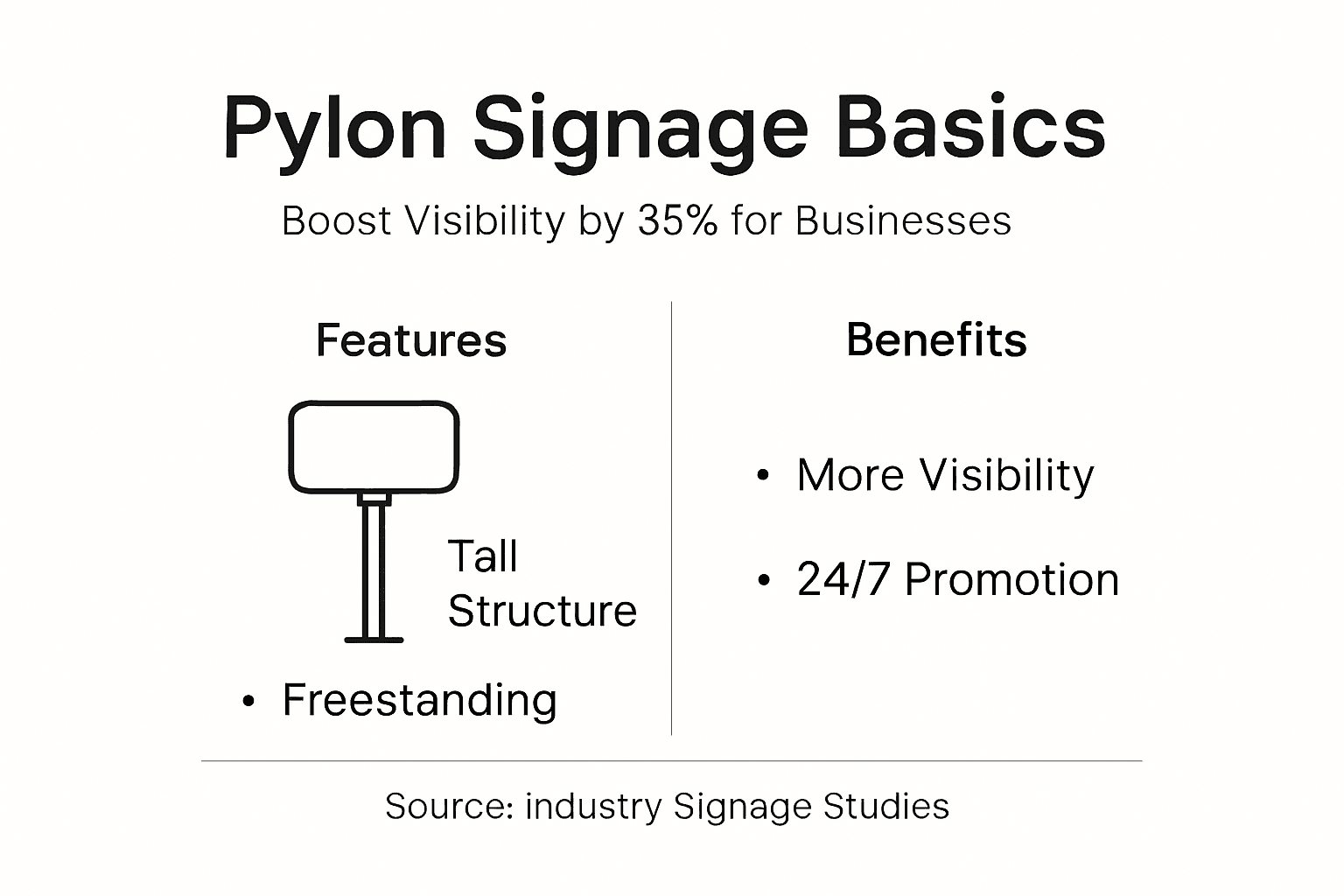
Pylon signage stands out as a distinctive category in the world of business signs. Pylon signs are tall, freestanding sign structures supported by one or more poles, typically 15 to over 50 feet tall. These towering structures serve a clear purpose: maximizing visibility over obstacles and from long distances, particularly on highways and busy commercial corridors.
The design of pylon signs differs fundamentally from other outdoor signage. While monument signs sit low to the ground and blend with landscaping, pylon signs rise above the visual clutter to capture attention from passing vehicles. They commonly appear near major roadways, shopping centers, and multi-tenant commercial locations where multiple businesses share visibility space.
Key characteristics define what makes a pylon sign:
- Height advantage for visibility over buildings, trees, and traffic
- Pole or support structure that elevates the sign face
- Often features multiple panels or tenant spaces
- Architectural design elements that reflect brand identity
- Capability to integrate lighting and digital displays
The ultimate guide to pylon signs explains how these structures use elevation strategically to solve the visibility challenges that ground-level signs cannot address. For businesses seeking to stand out in competitive retail environments, understanding how retail signage explained principles apply to pylon structures becomes essential. The vertical reach of pylon signs creates recognition from distances that other sign types simply cannot achieve.
Benefits of Pylon Signage for Local Businesses and Events
The strategic advantages of pylon signage translate directly into business outcomes. Elevated positioning ensures your brand message reaches drivers and pedestrians before competing signs do. This head start in visual communication creates the critical first impression that draws customers to your location.

Illuminated pylon signs extend visibility beyond daylight hours. Modern LED technology enables 24/7 brand promotion while consuming significantly less energy than traditional lighting systems. Pylon signage can increase foot and drive-thru traffic by up to 35% in case studies, demonstrating measurable return on investment.
Brand recognition benefits multiply through consistent exposure. When drivers pass your pylon sign daily during their commute, familiarity builds trust. This repeated visual contact differentiates your business from competitors who rely solely on digital advertising or smaller signage.
Multi-tenant configurations deliver additional value for shopping centers and business complexes. A single pylon structure can showcase multiple businesses, reducing individual costs while maintaining professional appearance. This shared visibility approach works especially well for complementary businesses that benefit from clustering.
Key benefits include:
- Highway and major road visibility from 500+ feet away
- Around-the-clock exposure with illumination options
- Professional image that signals established business presence
- Directional guidance that reduces customer confusion
- Cost-effective solution for long-term brand building
Pro Tip: Position your pylon sign where it captures attention from both directions of traffic flow. This bidirectional visibility doubles your exposure without doubling your investment.
The research on why signage boosts sales confirms that strategic sign placement correlates with revenue increases. When you boost foot traffic with signs, you create a predictable channel for customer acquisition. The retail signage benefits extend beyond simple wayfinding to establish market presence and competitive advantage.
Types and Customization Options of Pylon Signs
Pylon sign structures vary significantly in design and functionality. Single-pole configurations create a sleek, modern appearance that works well for corporate campuses and upscale retail. Double-pole designs offer greater stability for larger sign faces and allow for more dramatic architectural statements.
The choice between illuminated and non-illuminated signs affects both visibility and operating costs. Illuminated pylon signs with LED technology enable 24/7 brand promotion and reduce energy use by up to 80% compared to older fluorescent or neon systems. Digital LED displays take this further by enabling changeable messages, time-specific promotions, and dynamic content.
| Sign Type | Best For | Key Advantage |
|---|---|---|
| Single-pole | Corporate offices, standalone retail | Modern aesthetic, lower material cost |
| Double-pole | Large shopping centers, multi-tenant | Maximum stability, larger sign faces |
| LED Illuminated | 24/7 operations, high-traffic areas | Continuous visibility, energy efficient |
| Digital LED | Event venues, frequently changing messages | Dynamic content, marketing flexibility |
| Non-illuminated | Daytime-only businesses, budget-conscious | Lower installation and operating costs |
Multi-tenant configurations require careful planning to ensure each business receives adequate visibility. Directory-style layouts organize tenant names alphabetically or by location, while hierarchical designs emphasize anchor tenants with larger panels. The architectural shroud or cabinet that houses the sign panels offers another customization opportunity, allowing you to incorporate brand colors, textures, and shapes.
Customization options include:
- Cabinet materials and finishes that match building architecture
- Decorative caps and bases that enhance visual appeal
- Integrated landscaping that softens the structure’s footprint
- Monument-style bases that blend pylon height with ground-level stability
- Programmable LED displays with remote content management
Pro Tip: When selecting materials and finishes, consider how they will age. High-gloss finishes may show weathering more quickly than matte or textured surfaces, affecting long-term appearance and maintenance needs.
The principles of how to design business signs effectively apply equally to pylon structures. Material choices should reflect brand identity while meeting local zoning requirements. The LED illuminated pylon signs guide provides technical specifications that help align aesthetic goals with practical performance needs.
Materials, Durability, and Maintenance
Material selection directly impacts how long your pylon sign remains attractive and functional. Aluminum and steel dominate commercial pylon construction due to their strength-to-weight ratio and weather resistance. Aluminum naturally resists corrosion, making it ideal for coastal areas or regions with harsh winters. Steel offers superior structural integrity for taller signs but requires protective coatings to prevent rust.
Proper fabrication techniques matter as much as material choice. Welded joints must be ground smooth and treated to prevent moisture intrusion. Powder coating creates a durable finish that withstands UV exposure and temperature extremes better than paint. These protective measures extend sign lifespan typically to 15 to 30 years with appropriate care.
Regular maintenance preserves both appearance and safety. Signs accumulate dirt, pollen, and environmental pollutants that dull finishes and reduce visibility. Biannual cleaning removes these contaminants before they cause permanent staining. For illuminated signs, checking electrical systems and replacing burned-out bulbs prevents partial outages that create unprofessional appearances.
Structural inspections identify problems before they become hazards. Wind stress, ground settling, and material fatigue can compromise sign stability over time. Professional inspections should occur annually, with particular attention to:
- Pole base integrity and anchor bolt tightness
- Weld points and connection hardware
- Sign face attachment security
- Electrical connections and weatherproofing
- LED driver functionality and display performance
The importance of durable signage becomes evident when comparing long-term costs. Initial investment in quality materials and construction reduces replacement frequency and maintenance expenses. Signs built with weather-resistant materials maintain their appearance and structural soundness through years of exposure.
Climate considerations affect material performance significantly. Coastal environments demand additional corrosion protection. Desert climates require UV-resistant finishes. Areas with high wind loads need reinforced structural engineering. Matching materials to local conditions ensures your investment delivers its full expected lifespan.
Regulations and Permitting Considerations
Local zoning codes govern every aspect of pylon sign installation. Height restrictions typically limit signs to between 10 and 40 feet, though specific maximums vary by jurisdiction and zoning district. Commercial corridors often permit taller signs than residential-adjacent areas. Understanding these limits before design work begins prevents costly redesigns.
Illumination rules add another layer of complexity. Many municipalities restrict brightness levels to prevent light pollution and driver distraction. Digital message centers face additional scrutiny, with regulations covering message duration, transition effects, and operating hours. Some jurisdictions prohibit moving images or video content entirely.
The permitting process requires documentation that proves code compliance. Applications typically include:
- Engineered drawings showing structural specifications
- Site plans indicating sign location and setbacks
- Photometric studies for illuminated signs
- Wind load calculations certified by licensed engineers
- Proof of property owner authorization
Non-compliance carries serious consequences. Fines accumulate daily until violations are corrected. Municipalities can order sign removal at owner expense. In extreme cases, building permits for other projects may be held pending sign code compliance. These risks make early engagement with local authorities essential.
Historic districts and planned communities often impose additional aesthetic requirements. Architectural review boards may mandate specific materials, colors, or design styles that harmonize with surrounding buildings. Homeowner associations in commercial developments frequently have their own sign standards that supplement municipal codes.
Working with experienced sign professionals who understand local signage regulations streamlines the approval process. They know which departments issue permits, typical review timelines, and common objections that delay projects. This expertise helps you navigate bureaucratic requirements efficiently.
Common Misconceptions About Pylon Signage
Confusion between pylon signs and monument signs persists despite clear differences. Monument signs sit close to ground level, typically no taller than 8 to 10 feet, and often incorporate landscaping. Pylon signs rise high above ground on visible support poles. Each serves distinct purposes: monuments for pedestrian-scale visibility, pylons for vehicular traffic awareness.
Energy consumption concerns about illuminated signs reflect outdated technology assumptions. Modern LED systems use a fraction of the electricity that fluorescent or neon signs required. LED technology reduces energy costs by up to 80% while delivering brighter, more consistent illumination. Operating costs often drop to mere dollars per month for typical installations.
The belief that pylon signs require minimal maintenance creates problems. While these structures are built for durability, neglect accelerates deterioration. Regular cleaning, lighting checks, and structural inspections prevent small issues from becoming expensive repairs. Signs showing visible wear damage brand image and may violate local maintenance ordinances.
Some business owners assume any tall sign qualifies as a pylon sign. Pole signs that simply elevate a small panel differ from true pylon structures in scale, purpose, and construction. Digital billboards serve advertising functions distinct from permanent business identification. Understanding these distinctions helps you select appropriate signage for your specific needs.
“Not all elevated signs are pylon signs. True pylon structures integrate architectural design with functional visibility, creating landmarks that serve businesses for decades.”
Pylon signage works best in specific contexts. They excel in commercial zones with high vehicular traffic where visibility from distance matters most. Pedestrian-focused districts with slower traffic may benefit more from monument or fascia signage. Matching sign type to traffic patterns and viewing conditions ensures effective investment.
Cost misconceptions also affect decision-making. While pylon signs represent a significant investment, their longevity and visibility impact often deliver better return than multiple smaller signs. The key lies in proper planning and realistic assessment of visibility needs versus available budget.
Applying Pylon Signage to Local Business and Event Needs
Successful pylon signage starts with thorough visibility assessment. Survey your location during peak traffic hours. Identify sight line obstructions like buildings, trees, or terrain features. Measure distances from your site to major roads. These observations determine necessary sign height and placement for maximum exposure.
Sign type selection follows from this analysis. Single-pole designs suit locations where modern aesthetics matter and structural loads remain moderate. Multi-tenant situations demand careful space allocation among businesses. Consider whether digital capabilities justify their additional cost for your specific marketing needs.
Customization decisions should align with brand guidelines. Colors, fonts, and logo treatments on your pylon sign must match other brand touchpoints for recognition consistency. The architectural style of your sign cabinet or shroud should complement building design rather than clash with it.
Zoning compliance comes before any physical work begins:
- Research local sign ordinances for height and setback requirements
- Determine permit application requirements and fees
- Prepare required documentation with professional assistance
- Submit applications with adequate lead time before desired installation date
- Address any review comments or revision requests promptly
- Obtain final permits before beginning construction
Pro Tip: Building relationships with local planning officials early in the process helps you understand unwritten preferences and avoid common pitfalls that delay approvals.
Material selection balances appearance, durability, and budget. Request samples of proposed finishes to evaluate how they look in natural light. Consider how materials age in your specific climate. Don’t compromise structural integrity for aesthetic savings, as this creates long-term safety and maintenance problems.
Professional installation ensures structural soundness and code compliance. Foundation work requires proper depth and reinforcement for wind loads and soil conditions. Electrical systems must meet local codes with appropriate weatherproofing and grounding. Licensed contractors carry insurance that protects you from liability during construction.
Maintenance planning begins before installation completes. Schedule biannual cleaning and inspections. Keep records of all service work. Budget for eventual LED replacements and finish touch-ups. This proactive approach maintains sign appearance and prevents costly emergency repairs.
Future adaptability matters for long-term value. If your business might expand or rebrand, choose sign structures that accommodate panel changes. Digital displays offer maximum flexibility but require careful evaluation of content management capabilities. The custom sign workflow shows how professional planning addresses both immediate needs and future possibilities.
Explore Custom Pylon Signage Solutions for Maximum Impact
Applying these pylon signage principles requires expertise in design, engineering, and local regulations. Professional guidance transforms visibility goals into installed signs that drive business results.
Custom Signs Today specializes in creating pylon signs tailored to your specific visibility needs and brand requirements. Our team handles design development, permit applications, fabrication, and installation as a complete solution. We understand local codes and work efficiently through approval processes. Whether you need a single-tenant identification sign or a complex multi-business directory, we deliver quality that lasts. Explore custom sign quotes and discover how Custom Signs Today brings your vision to reality through our proven custom sign workflow.
Frequently Asked Questions About Pylon Signage
What is the ideal height for a pylon sign in a busy commercial area?
Ideal height depends on viewing distance and sight line obstructions. Signs visible from highways typically need 25 to 40 feet of elevation. Urban corridors with closer viewing distances may only require 15 to 25 feet. Local zoning maximums often determine final height regardless of optimal visibility needs.
How often should illuminated pylon signs be maintained?
Biannual maintenance provides adequate care for most installations. Schedule cleaning and electrical inspections every six months. Annual structural assessments by qualified professionals identify issues before they compromise safety. High-traffic or harsh-climate locations may benefit from quarterly attention.
Can pylon signs be used for temporary events?
Pylon signs typically serve permanent installations due to foundation requirements and permit costs. Temporary events benefit more from portable sign solutions. However, existing pylon structures can incorporate changeable panels or digital displays that promote events without permanent modifications.
What permits are typically required before installation?
Building permits verify structural safety and code compliance. Electrical permits cover illumination systems. Sign permits address zoning regulations for height, setbacks, and illumination. Some jurisdictions also require separate foundation permits. Expect the process to take four to twelve weeks.
How do LED lights in pylon signs save energy compared to traditional lighting?
LED technology converts electricity to light more efficiently than fluorescent or neon systems. LEDs waste less energy as heat, reducing consumption by 70% to 80%. They also last significantly longer, cutting replacement costs. Modern LED drivers adjust brightness automatically, further reducing power use during low-traffic hours.