TL;DR:
- Effective signage enhances visitor engagement by guiding behavior, reducing confusion, and creating emotional connections with brand storytelling. Proper design—including clear messages, audience segmentation, and regular updates—drives sales, brand recall, and loyalty, transforming signage into a strategic communication system. Forward-thinking organizations leverage digital, interactive, and integrated signs to craft immersive spatial narratives that elevate the overall visitor experience.
Signage is defined as any visual display that communicates information, direction, or brand identity to people moving through a physical space. The role of signage in visitor engagement goes far beyond pointing people toward exits or restrooms. Research shows well-designed signage can increase business sales by 7 to 10% by reducing customer frustration and triggering spontaneous purchases. That figure represents a direct return on a physical asset most marketers dramatically undervalue. Retailers, museums, and hospitality brands like those in the Walt Disney Company’s theme parks have long understood that signage is the first voice a visitor hears before any staff member speaks.
How does effective signage influence visitor behavior and engagement?
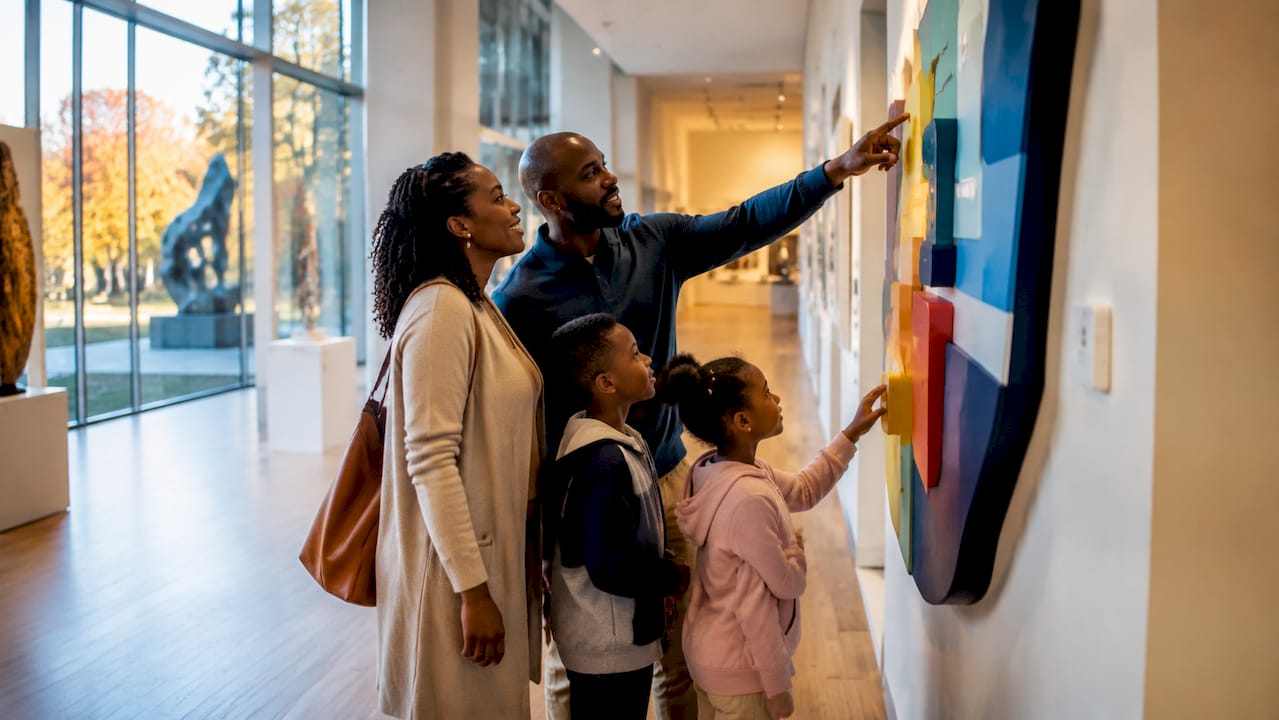
Signage shapes visitor behavior from the moment someone steps onto your property. Clear directional signage improves visitor flow and safety by reducing frustration and helping visitors find their way naturally. When people are not confused about where to go, they spend more time engaging with your products, exhibits, or services rather than scanning walls in frustration.
Promotional signage operates on a different psychological lever. A well-placed point-of-sale sign near a product display triggers impulse decisions that a visitor never planned before walking in. This is not accidental. The sign interrupts the visitor’s default path and introduces a new option at exactly the right moment.
The concept of “waytelling” takes this further. Where wayfinding simply moves people from point A to point B, waytelling integrates brand storytelling into the navigation experience, building emotional connection as visitors move through a space. A museum corridor that tells the story of an artifact’s origin while guiding visitors to the next gallery is doing both jobs simultaneously.
Key behavioral effects of effective signage include:
- Reduced decision fatigue: Visitors make faster, more confident choices when signage removes ambiguity about options or directions.
- Increased dwell time: Engaging interpretive signs in retail or exhibition spaces keep visitors present longer, increasing purchase or interaction probability.
- Spontaneous action: Promotional signs placed at decision points convert passive browsers into active buyers.
- Emotional connection: Narrative-driven signs create memorable moments that visitors associate with your brand long after they leave.
Pro Tip: Place your most persuasive promotional signage at natural pause points, such as checkout queues, elevator lobbies, or exhibit transitions, where visitors are already slowing down and receptive to new information.
What are the critical elements of signage design for maximum visitor engagement?
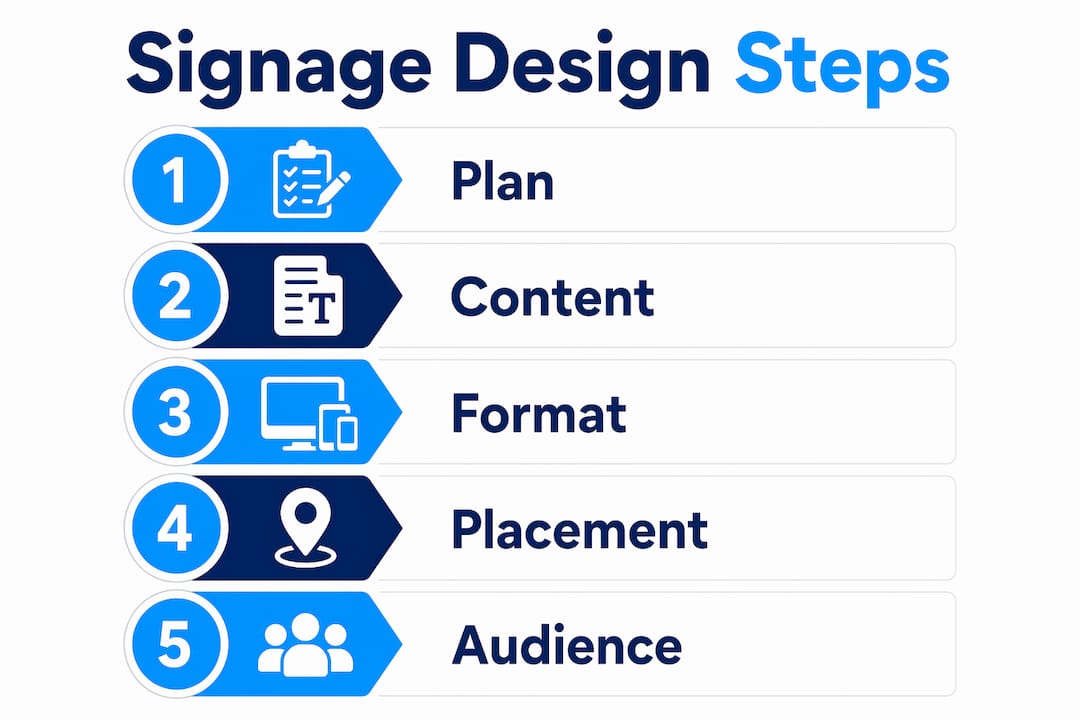
Signage design for engagement is not a matter of aesthetics alone. Content, format, placement, and audience alignment each determine whether a sign gets read or ignored.
Research on museum interpretive labels establishes that informative labels average 60 words in length and are relied on most heavily by visitors who lack prior contextual knowledge. That 60-word benchmark applies broadly. A sign that runs to 200 words will lose most readers before the second paragraph. A sign with 10 words may fail to deliver enough context to drive action.
Audience segmentation is equally critical. Visitor engagement varies significantly between casual visitors and those seeking deeper intellectual engagement, which means a single sign format rarely serves everyone. The solution is tiered messaging: a bold headline for the casual reader, a brief paragraph for the curious visitor, and an optional QR code or extended panel for the deeply engaged.
Follow this design checklist to build signs that perform:
- Lead with the most important message. Visitors read the first line and decide whether to continue. Put your core claim or direction at the top, not buried in the third sentence.
- Use high-contrast color combinations. Black text on white, or white text on dark backgrounds, consistently outperforms low-contrast combinations in legibility studies. Avoid color pairings that fail accessibility standards.
- Match font size to viewing distance. A sign read from 10 feet requires a minimum 1-inch letter height. Outdoor signs viewed from 50 feet need proportionally larger type.
- Integrate brand elements without cluttering. Your logo, brand colors, and tone of voice should be present but should not compete with the sign’s primary message.
- Schedule regular content reviews. Lack of actionable guidance limits educational and behavioral impact even in high-traffic locations, which means outdated or passive signs are actively costing you engagement.
Pro Tip: Test your sign copy by reading it aloud in under 10 seconds. If you cannot deliver the core message in that window, the text needs editing, not the font size.
For practical guidance on building signage principles, the fundamentals of contrast, hierarchy, and placement apply across every industry and format.
How does signage contribute to brand visibility and business outcomes?
Signage is a signal of professionalism before a single transaction occurs. Poor or missing signage signals neglect, while thoughtful signage builds customer loyalty and communicates that a business takes its visitors seriously. This perception forms in seconds and influences every subsequent interaction a visitor has with your brand.
Consider the difference between two retail locations on the same street. One has faded, misaligned window graphics and a hand-lettered door sign. The other has consistent branded signage from the parking lot through the interior. Visitors draw immediate conclusions about product quality, pricing, and service standards from those visual cues alone, before they ever speak to staff.
The business outcomes extend beyond first impressions:
| Business Outcome | Signage Contribution |
|---|---|
| Increased sales revenue | Strategic placement drives impulse purchases and reduces friction at decision points |
| Stronger brand recall | Consistent visual identity across all signs reinforces brand recognition over time |
| Higher customer loyalty | Professional, clear signage signals care and competence, encouraging repeat visits |
| Improved visitor flow | Directional systems reduce bottlenecks and create smoother, more satisfying experiences |
| Reduced staff workload | Self-service wayfinding and informational signs answer common questions without staff intervention |
Brand recall is particularly underappreciated. Every time a visitor encounters your logo, color palette, and typography on a sign, that visual memory strengthens. Over multiple visits, this compounds into the kind of brand familiarity that drives word-of-mouth referrals and repeat business. For a deeper look at how to deploy this strategically, the step-by-step brand visibility guide from Customsignstoday covers the sequencing in detail.
What emerging signage strategies are reshaping visitor engagement?
The most forward-thinking organizations are moving from static signs to spatial narratives. The shift from wayfinding to waytelling represents a fundamental change in how signage is conceived. Rather than treating signs as functional necessities, design leaders now treat them as storytelling infrastructure that carries brand pillars through every square foot of a space.
Several trends are defining this shift:
- Interactive and digital signage: Digital displays allow real-time content updates, personalized messaging, and interactive touchpoints. Retailers like Nike and Apple use in-store digital signage to extend product storytelling beyond the shelf.
- Augmented reality integration: AR-enabled signs, accessed through a visitor’s smartphone, layer additional content onto physical displays. Natural history museums have used this to animate fossil exhibits, dramatically increasing visitor dwell time.
- Co-designed signage: Co-designing signs with actual visitor groups, including children, seniors, or non-native language speakers, produces significantly more relevant and engaging results than internal design teams working in isolation.
- Conservation and behavioral messaging: Zoos and nature reserves are learning that 66% of species signs lack actionable guidance, which means most conservation signage fails to translate visitor interest into real behavior change. Adding specific, achievable actions to informational signs closes that gap.
- Environmental integration: Signs built into architectural features, floor graphics, or landscape elements create immersive experiences that feel native to the space rather than bolted on.
The common thread across all these approaches is intentionality. Signage that performs at the highest level is planned as part of the visitor experience from the start, not added as an afterthought once construction or layout decisions are already made. Parking lot and exterior line and symbol marking is one often-overlooked component of this full-property approach, setting visitor expectations before they even reach the entrance.
Key takeaways
Signage drives visitor engagement, brand recall, and measurable sales growth when it is designed with clarity, audience awareness, and strategic placement as non-negotiable requirements.
| Point | Details |
|---|---|
| Sales impact is measurable | Well-placed signage increases sales by 7 to 10% through reduced friction and impulse triggers. |
| Design must match audience | Tiered messaging serves both casual visitors and deeply engaged readers without overwhelming either. |
| Waytelling beats wayfinding | Narrative-driven signs build emotional connection while guiding visitors, compounding brand loyalty. |
| Regular evaluation is required | Signs that lack actionable content or become outdated actively reduce engagement and educational value. |
| Professionalism is communicated visually | Consistent, high-quality signage signals competence and care before any staff interaction occurs. |
Why most businesses are still leaving signage value on the table
I have reviewed signage programs for businesses across retail, hospitality, and public spaces, and the pattern is almost always the same. The organization invested in a strong brand identity, built a well-designed physical space, and then treated signage as the last line item in the budget. The result is signs that are technically present but strategically absent.
The most common mistake is designing for the average visitor and ignoring everyone else. A sign that works for a 35-year-old professional with prior category knowledge will completely miss a first-time visitor, a non-native English speaker, or a child. Tiered content, tested with real audience members before installation, solves this problem at a fraction of the cost of a full redesign later.
The second mistake is treating signage as permanent infrastructure rather than a living communication system. A sign that was accurate and relevant at installation becomes a liability when the information changes and nobody updates it. I have seen businesses lose customer trust over something as simple as a sign pointing to a department that no longer exists.
My honest recommendation: treat your signage program the way you treat your website. Audit it quarterly. Test it with real users. Update it when your messaging changes. The businesses that do this consistently outperform those that do not, and the investment required is far smaller than most marketing leaders assume.
— Yossi
Upgrade your visitor experience with custom signage
Your signage program is only as strong as the quality and relevance of the signs themselves. Customsignstoday designs and produces custom visual communication solutions built specifically for businesses that want their physical spaces to work as hard as their digital presence.
From face change signs that let you update messaging without replacing the entire structure, to site signs that guide and brand your property from the perimeter inward, Customsignstoday covers every touchpoint in the visitor journey. Custom decals, interior signs, and directional systems are all available in materials built for durability and visual impact. Request a free quote and get a signage solution matched to your specific space, audience, and business goals.
FAQ
What is the role of signage in visitor engagement?
Signage informs, guides, and emotionally connects visitors to a brand or space, directly influencing satisfaction and purchase behavior. Well-designed signage reduces confusion, increases dwell time, and can raise sales by 7 to 10%.
How does signage improve the customer experience?
Signage removes friction from the visitor journey by answering questions before they are asked, directing traffic efficiently, and reinforcing brand identity at every touchpoint. The result is a more confident, satisfied visitor who associates ease of navigation with the quality of the brand.
What makes signage design effective for engagement?
Effective signage leads with the most important message, stays within approximately 60 words for interpretive content, uses high-contrast visuals, and tailors messaging to different visitor types through tiered content structures.
How often should businesses update their signage?
Signage should be reviewed at least quarterly and updated whenever messaging, layout, or product information changes. Outdated signs actively reduce visitor trust and engagement, particularly in high-traffic areas where repeat visitors notice inconsistencies.
What is the difference between wayfinding and waytelling?
Wayfinding directs visitors from one location to another. Waytelling integrates brand storytelling and emotional context into that navigation experience, creating a more immersive and memorable visitor journey that strengthens brand connection.