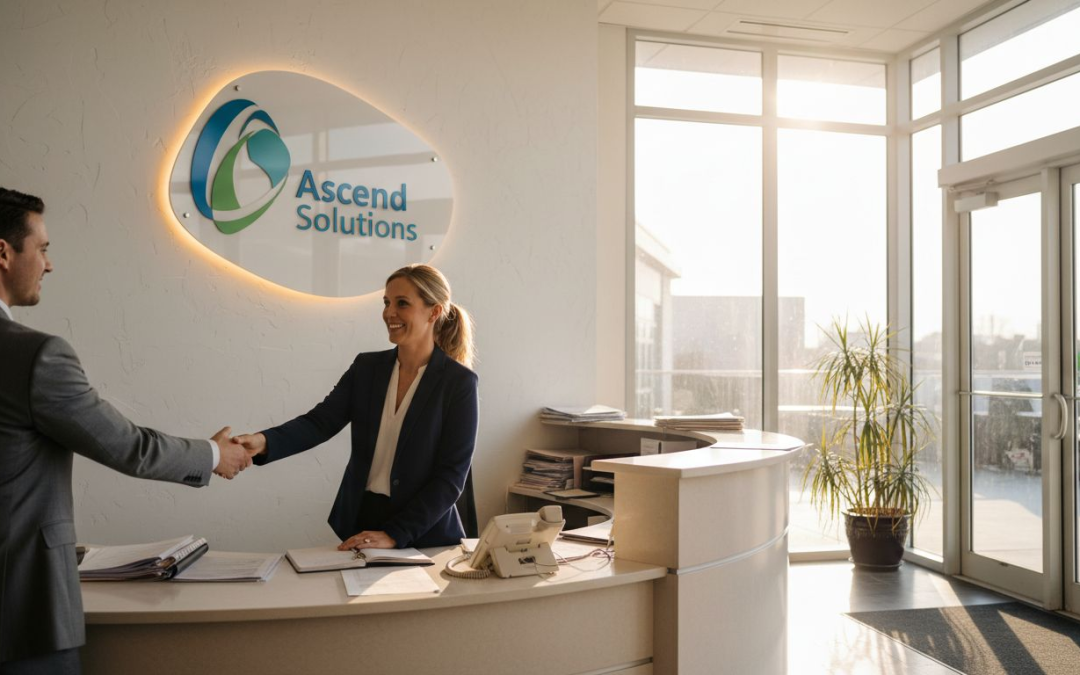
Over eighty percent of American business owners say clear office signage directly impacts how clients perceive their brand. In crowded urban markets, standing out visually can determine whether a customer walks through your door or someone else’s. This article uncovers practical signage tips that help American companies build brand recognition, create efficient navigation, and make memorable first impressions where every detail counts.
Table of Contents
- 1. Choose Clear And Readable Fonts For Signage
- 2. Highlight Company Logo In Your Main Entryway
- 3. Use Directional Signs For Easy Navigation
- 4. Incorporate Wall Graphics For Branding
- 5. Add Personalized Desk Nameplates
- 6. Opt For Custom Acrylic Or Metal Signs
- 7. Feature Safety And Compliance Signs Clearly
Quick Summary
| Takeaway | Explanation |
|---|---|
| 1. Choose clear, readable fonts. | Use simple sans serif fonts like Arial or Helvetica to ensure maximum legibility on signs. |
| 2. Highlight your logo prominently. | Display your logo at eye level in the entryway to make a strong first impression on visitors. |
| 3. Implement effective directional signs. | Place clear directional signs at eye level to guide visitors and enhance navigation. |
| 4. Use wall graphics for branding. | Incorporate engaging wall graphics that reflect your company’s mission and values. |
| 5. Ensure safety and compliance signage. | Regularly check safety signs for clarity, visibility, and adherence to regulations. |
1. Choose Clear and Readable Fonts for Signage
When it comes to office signage, font selection can make or break your brand visibility. The right typography transforms simple text into a powerful communication tool that captures attention and reinforces your professional image.
Readability should be your top priority when selecting fonts for office signs. Complex or overly stylized typefaces might look artistic, but they create unnecessary barriers for viewers trying to quickly understand your message. Professional signs demand clean, straightforward fonts that communicate clearly at a glance.
Stick to sans serif fonts like Arial, Helvetica, or Calibri for maximum legibility. These fonts have clean lines and uniform stroke widths that remain crisp and clear whether printed large on a wall sign or displayed on smaller desk markers. Explore professional sign design techniques to understand how font choice impacts visual communication.
Consider font size carefully. A general rule is that viewers should be able to read your sign from a reasonable distance. For hallway signs, use fonts at least 2 inches tall. For reception area signage, aim for bold, larger text that stands out from a distance.
Color contrast plays a critical role in font readability. Dark text on light backgrounds or light text on dark backgrounds ensures maximum visibility. Avoid color combinations that strain the eye or blend together, which can make signs difficult to read quickly.
Pro tip: Always test your sign design by viewing it from different distances and angles to ensure consistent readability and visual impact.
2. Highlight Company Logo in Your Main Entryway
Your company logo is more than just a graphic element it is the visual heartbeat of your brand identity. Strategically placing your logo in the main entryway creates an immediate and powerful first impression for visitors, clients, and potential partners.
The entryway serves as your business’s visual introduction, making it the most critical location for logo placement. A well designed logo display communicates professionalism, builds brand recognition, and sets the tone for your entire organizational culture. Explore essential indoor signage solutions to understand how strategic visual communication impacts business perception.
Consider multiple display options for maximum impact. Backlit logos create dramatic visual effects, while dimensional letters provide depth and texture. Metallic or acrylic materials can add a modern, sophisticated touch that reflects your company’s quality and attention to detail.
Size matters when it comes to logo placement. Your logo should be large enough to be easily visible from the entrance but proportional to the space. Typically, logos should occupy approximately 30 to 40 percent of the available wall space to create a balanced visual statement.
Color and placement are equally important. Choose colors that complement your office interior while maintaining brand consistency. Position the logo at eye level and centered in the entryway to ensure maximum visibility and create a focal point that immediately draws attention.
Pro tip: Invest in high quality logo materials and professional installation to ensure your brand looks polished and intentional from the moment someone walks through the door.
3. Use Directional Signs for Easy Navigation
Directional signs are the silent guides that transform complex office spaces into intuitive environments. They help visitors and employees navigate your workspace quickly and confidently while simultaneously reinforcing your brand’s professional image.
These signs do more than point the way they communicate organizational efficiency and thoughtful design. Explore directional sign strategies that can dramatically improve workplace navigation and visitor experience.
Effective directional signage involves strategic placement and clear visual communication. Consider creating a comprehensive sign system that includes room numbers, department indicators, and clear arrows. Use consistent color schemes and typography to ensure your signs feel like an integrated part of your overall brand identity.
Think about different user perspectives when designing your signs. Place signs at eye level and ensure they are visible from multiple angles. Use high contrast colors that make text readable from a distance. Consider including simple icons or symbols alongside text to help people understand directions more quickly.
Accessibility is crucial. Ensure your directional signs meet Americans with Disabilities Act (ADA) guidelines by using raised lettering, including Braille translations, and maintaining appropriate font sizes and color contrasts that support visual comprehension for all users.
Pro tip: Conduct a walkthrough of your office space from a visitor’s perspective to identify potential navigation challenges and refine your directional signage approach.
4. Incorporate Wall Graphics for Branding
Wall graphics transform bland office spaces into powerful brand storytelling platforms. These visual elements do more than decorate they communicate your company’s personality, values, and unique identity in a compelling and immersive way.
Strategic wall graphics can turn empty walls into dynamic communication tools that engage employees and visitors alike. Explore custom vinyl wall graphic options to understand how visual branding can revolutionize your workspace.
Consider using wall graphics that reflect your company’s core mission or showcase your brand’s journey. This might include timeline infographics, mission statement displays, or visual representations of your company’s key achievements. Choose high quality images and graphics that align with your brand colors and overall aesthetic.
Think beyond traditional corporate imagery. Incorporate graphics that inspire creativity and motivation. This could mean abstract designs representing your industry, inspirational quotes from company leaders, or artistic representations of your product or service. The goal is to create an environment that feels dynamic and engaging.
Placement and scale are critical. Wall graphics should be proportional to the space and positioned where they naturally draw the eye. Conference rooms, reception areas, and collaborative spaces offer perfect opportunities to make bold visual statements about your brand.
Pro tip: Invest in professional graphic design and high resolution printing to ensure your wall graphics look crisp, professional, and truly represent your brand’s quality standards.
5. Add Personalized Desk Nameplates
Personalized desk nameplates are more than simple identifiers they are strategic tools for building workplace identity and professional atmosphere. These small yet powerful visual elements communicate individual value while contributing to your overall brand narrative.
Nameplates serve multiple purposes beyond basic identification. They create a sense of belonging, recognize individual contributions, and establish a professional environment that makes employees feel appreciated. Discover personalized signage strategies that can transform your workplace communication.
When designing nameplates, consider materials that reflect your company’s brand aesthetic. Options like sleek metal, warm wood, or modern acrylic can communicate different organizational personalities. Ensure consistency in design elements like font, color, and size to maintain a cohesive visual identity across all employee nameplates.
Include thoughtful details that go beyond basic name and title. Consider adding a small company logo, department indicator, or a unique design element that makes each nameplate feel special. This approach transforms a simple identification tool into a meaningful brand touchpoint.
Placement matters as much as design. Position nameplates where they are easily visible from multiple angles. For desk spaces, consider mounting them at a slight angle for better readability. In open office environments, ensure nameplates are large enough to be seen from a distance but not so overwhelming that they disrupt the workspace aesthetic.
Pro tip: Choose high quality, durable materials for your nameplates that can withstand daily use while maintaining a professional appearance that reflects your brand’s commitment to quality.
6. Opt for Custom Acrylic or Metal Signs
Custom acrylic and metal signs represent the gold standard in modern office branding solutions. These materials offer a perfect blend of professional aesthetics, durability, and visual impact that can elevate your workspace from ordinary to extraordinary.
Acrylic signs provide exceptional versatility and contemporary appeal. Explore cutting edge acrylic sign design techniques that can transform your office environment into a sophisticated brand showcase. These signs offer remarkable clarity, can be produced in multiple colors and finishes, and maintain a sleek professional appearance that resists wear and aging.
Metal signs communicate strength and permanence. Brushed aluminum or stainless steel options create an immediate sense of corporate credibility. They work exceptionally well in reception areas, conference rooms, and executive spaces where you want to convey professionalism and solidity.
When selecting materials, consider your brand personality. Glossy acrylic might suit tech or creative industries, while matte metal signs work perfectly for financial or legal firms. Pay attention to how light interacts with different materials some surfaces create elegant reflections that can dramatically enhance your signage impact.
Customization is key. Modern sign production allows for intricate laser cutting, precise engraving, and complex color matching. This means you can create signs that are not just informative but are true representations of your brand identity and aesthetic vision.
Pro tip: Always request material samples and test how different sign materials look under your office lighting to ensure they create the exact visual impression you want.
7. Feature Safety and Compliance Signs Clearly
Safety and compliance signs are not just legal requirements they are critical communication tools that protect employees and demonstrate organizational responsibility. These signs serve as visual guardians that communicate essential information about workplace hazards, emergency procedures, and regulatory guidelines.
Proper safety signage goes beyond mere legal compliance it creates a culture of awareness and proactive risk management. Explore comprehensive ADA sign requirements to ensure your workplace meets critical safety and accessibility standards.
Understand the specific color coding and messaging requirements for different types of safety signs. Red typically indicates danger or prohibition, yellow signals caution, green represents safety equipment, and blue indicates mandatory actions. Position these signs strategically where they are immediately visible and impossible to miss.
Consider multiple sign types emergency exit markers, biohazard warnings, fire extinguisher locations, and accessibility indicators. Each sign should be large enough to read from a reasonable distance, use clear fonts, and incorporate universally recognizable symbols that transcend language barriers.
Regular employee training is essential. Signs are most effective when workers understand their meanings and take them seriously. Integrate safety sign explanations into onboarding processes and conduct periodic refresher training to maintain a safety conscious workplace culture.
Pro tip: Conduct periodic safety sign audits to ensure all signs remain clear, undamaged, and positioned for maximum visibility and immediate comprehension.
| Section | Key Focus | Best Practices |
|---|---|---|
| Clear Font Selection for Signs | Readability and professionalism when choosing fonts for signage. | Use sans serif fonts like Arial or Helvetica; prioritize legibility through appropriate sizing, contrast, and simplicity. |
| Showcase Company Logo | Enhance the first impression by displaying your logo prominently in your entryway. | Position logo at eye level in the reception area, opt for complementary colors and professional materials, and ensure it occupies a suitable proportion of the space. |
| Directional Signage | Simplify office navigation with clear directional indicators. | Employ high-contrast colors and clear fonts, integrate consistent branding, and include symbols alongside text for accessibility and quick comprehension. |
| Wall Graphics and Branding | Utilize wall graphics to reflect company values and brand personality. | Include mission statements, company timeline, or motivational graphics, ensuring high-quality design and placement in high-visibility areas to enhance engagement. |
| Personalized Desk Nameplates | Foster identity and professionalism through customized nameplates. | Select materials in line with brand aesthetics, include logos and other unique details, and position plates effectively for visibility and aesthetic harmony within the workspace. |
| Acrylic and Metal Signs | Promote a polished and professional atmosphere with custom signage materials. | Choose materials that suit your brand personality, such as glossy acrylic or brushed metal, and consider testing materials under various lighting conditions before final selection. |
| Safety and Compliance Signs | Convey essential safety and accessibility information effectively. | Follow regulatory guidelines for color coding and messaging, conduct routine audits, and integrate clarity and universal symbols for effectiveness. |
Elevate Your Brand Visibility with Custom Office Signage Solutions
Struggling to make your office signage clear, eye-catching, and true to your brand? This article highlights crucial pain points like choosing readable fonts, showcasing your logo prominently, and using directional signs for effortless navigation. These challenges affect how visitors and employees perceive your professionalism and brand identity. Don’t let confusing or uninspired signage hold your business back from making a great first impression.
Discover tailored signage options crafted to solve these challenges. From sleek custom acrylic and metal signs to vibrant wall graphics and personalized desk nameplates, Uncategorized at Custom Signs Today offers visual communication solutions that combine style with functionality. Whether you want to boost brand recognition at your main entryway or improve office wayfinding, we create durable, high-quality signs designed to impress.
Ready to transform your office space and maximize brand impact today? Visit Custom Signs Today to explore our full range of custom signage services. Get in touch now for a free quote and expert guidance on how to bring your office signage ideas to life with a professional touch that lasts.
Frequently Asked Questions
What types of fonts are recommended for office signage?
The best fonts for office signage are clean, readable sans serif options like Arial, Helvetica, or Calibri. Choose fonts that have uniform strokes to ensure clarity, especially when displayed at various sizes.
How can I effectively use my company logo in the entryway?
Position your company logo prominently in the entryway to create a strong first impression. Ideally, it should occupy about 30 to 40 percent of the wall space and be displayed at eye level for maximum visibility.
What should I consider when creating directional signs in my office?
Focus on clear visual communication and strategic placement for directional signs. Use consistent color schemes and typography, and ensure signs are at eye level and visible from multiple angles to facilitate easy navigation.
How can wall graphics enhance my office branding?
Wall graphics can tell your brand’s story and reflect its values. Use high-quality images and graphics that align with your brand colors, placing them in areas like reception and conference rooms to make impactful statements.
What materials are suitable for personalized desk nameplates?
Consider using materials that match your office’s aesthetic, such as metal, wood, or acrylic, for personalized desk nameplates. Ensure these materials are durable, and maintain a consistent design to enhance overall brand cohesion.
Why are safety and compliance signs important in an office?
Safety and compliance signs are essential for protecting employees and ensuring a safe workplace. Fully understand the color coding and positioning strategies so these signs are easily visible and convey critical information effectively.
Recommended
- 7 Effective Office Signage Solutions for Business Success –
- Office Signage Design Guide for Effective Branding –
- 7 Essential Promotional Signage Examples for Businesses –
- 7 Practical Examples of Custom Signage for Businesses –
- 3 simple ways to increase productivity at work – EQUA – Sustainable Water Bottles