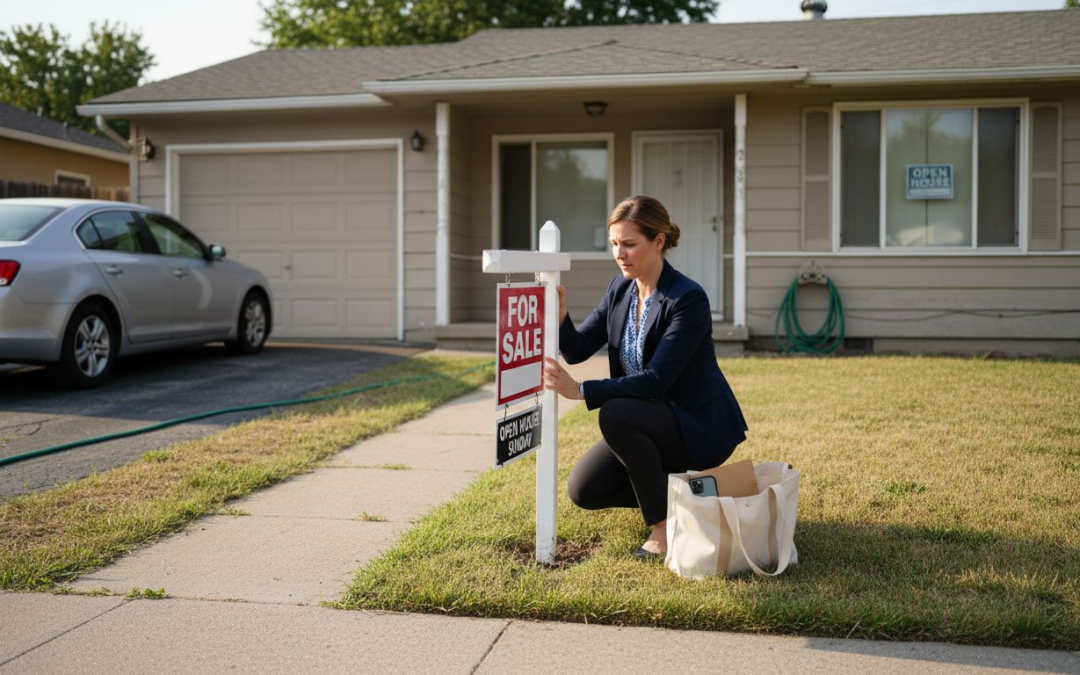
Standing out in a crowded real estate market takes more than listing a property online. You need practical ways to grab attention right where potential buyers are—on the street, in the neighborhood, or even as they pass by your office. Traditional signs still offer a powerful connection to local buyers and can spark genuine interest long before anyone schedules a showing.
The right signage does more than mark a property for sale. It opens doors, guides curious visitors, and communicates key details that set your listing apart. When you know which signs to use and how to place them, you attract more qualified leads and make your listings shine. Get ready to uncover smart, actionable tips that will make your marketing efforts more visible and far more effective.
Table of Contents
- 1. For Sale Signs: Attracting Attention on the Curb
- 2. Open House Signs: Drawing in Walk-In Traffic
- 3. Directional Signs: Guiding Prospects to Listings
- 4. Rider Signs: Customizing Key Property Details
- 5. Window and Door Signs: Showcasing Features Up Close
- 6. No Trespassing Signs: Ensuring Security and Privacy
Quick Summary
| Key Message | Explanation |
|---|---|
| 1. For Sale Signs Are Essential | They create strong visibility and connection with local buyers, enhancing your property listing. |
| 2. Proper Sign Placement Matters | Position signs where they are clearly visible to drive interest and foot traffic effectively. |
| 3. Use Directing Signs for Open Houses | Directional signs guide visitors accurately, increasing attendance by eliminating confusion. |
| 4. Highlight Property Features with Riders | Customized rider signs draw attention to unique selling points that appeal to potential buyers. |
| 5. Maintain Legal Compliance with No Trespassing Signs | Clear signage prevents unauthorized access and reduces liability for property owners. |
1. For Sale Signs: Attracting Attention on the Curb
A for sale sign remains one of the most powerful marketing tools you have. It’s the first thing potential buyers see when they drive through a neighborhood, and it transforms an ordinary property into an active listing.
These signs do more than announce availability. They create a tangible connection between your property and the local market, targeting neighbors, passersby, and people actively considering the area. Unlike digital ads that scroll past in seconds, a well-placed yard sign sits at eye level for days, weeks, or months.
Professional for sale signs remain a vital traditional marketing element that directly connects agents to potential local buyers despite digital marketing growth.
Why curb appeal matters for signage:
- Visibility drives interest. A sign directly at the property encourages walk-bys and curiosity.
- Yard signs generate referral opportunities from the community who know the neighborhood.
- They enhance your personal agent visibility and establish reputation in the area.
- Signs comply with local regulations while providing legal property information and agent contact details.
What makes a for sale sign effective:
Your sign needs to be readable from a moving vehicle. Large, bold letters ensure drivers can read your message in seconds. High-contrast colors like blue and white or black and white stand out against residential backgrounds.
The sign placement is critical. Position it where it’s visible from the street, not hidden behind landscaping or parked cars. The sign should be straight and well-maintained, never tilted or weathered-looking.
Include essential information clearly: the property address, your name, phone number, and website or QR code. Many agents add “Open House” details or “Call for Showing” calls to action during peak selling periods.
Implementation steps for maximum impact:
- Install your sign within 24 hours of listing to capitalize on initial interest.
- Use a professional sign design with your branding to build agent recognition.
- Check local zoning laws regarding sign size, placement duration, and content requirements.
- Maintain your sign throughout the listing period by cleaning it weekly and checking for damage.
- Remove or update your sign immediately after closing to protect your reputation.
Pro tip: Use a QR code on your sign linking directly to detailed property photos, virtual tours, and your contact information. This bridges offline signage with digital marketing, capturing curious buyers who want instant access to more information.
2. Open House Signs: Drawing in Walk-In Traffic
Open house signs are your silent salespeople working around the clock. These eye-catching displays announce your event and guide curious buyers directly to the property, converting casual neighborhood traffic into qualified prospects.
When someone decides to explore your open house, they need clear direction. Directional signage eliminates confusion and removes barriers to entry. Without proper signs, interested buyers might drive past, lose the address, or visit a competitor’s property instead.
Eye-catching open house signage effectively captures local neighborhood attention and increases foot traffic by clearly directing visitors to the property.
Types of signs that drive traffic:
- A-frame signs positioned at the property entrance are visible from multiple angles.
- Directional arrow signs placed at main roads and intersections guide visitors from major streets.
- Lawn signs at the curb announce the open house and display your contact information.
- Window signs in nearby business windows extend your reach beyond the immediate neighborhood.
Why timing and placement matter:
Install signs early on the morning of your open house. Buyers planning their Saturday or Sunday activities see your signs and decide to visit. Strategic placement at key intersections and turns ensures people find you, not your neighbor’s property.
The goal is visibility without clutter. Too many signs look unprofessional; too few get missed. One sign at the property, three to five directional signs marking the route, and perhaps one at a nearby high-traffic intersection creates the optimal balance.
Implementation strategy:
- Place your main sign at the property curb at least one hour before the event begins.
- Position directional arrows at each major intersection leading to the property.
- Use bright, contrasting colors like neon pink or orange to stand out.
- Include large, readable text with the property address and time.
- Add a phone number or QR code for immediate inquiries.
- Remove all signs immediately after the open house ends.
Measurement and optimization:
Track how many visitors mention seeing your signs versus finding you through digital channels. This data reveals whether your signage strategy works. Adjust placement or timing based on foot traffic patterns in your market.
Pro tip: Place directional signs at least 15 minutes before your open house officially starts, and position them early enough that drivers have time to safely turn and follow the route without missing it.
3. Directional Signs: Guiding Prospects to Listings
Directional signs are the unsung heroes of real estate marketing. They solve a critical problem: helping buyers find your listing when they have no GPS coordinates, no address memorized, and limited time to search.
Imagine a buyer driving through a neighborhood after seeing your listing online. They remember the general area but not the exact street. Without directional signs, they either give up or visit a competitor’s property instead. Directional signage bridges that gap by creating a clear path from main roads directly to your door.
Directional signs play a critical role in real estate success by guiding prospects efficiently to properties and reducing confusion during the buying journey.
Why directional signs matter more than you think:
These signs save time for busy buyers. They eliminate frustration caused by wrong turns or dead ends. Well-placed directional arrows also build buyer confidence by showing professionalism and organization. When prospects arrive without stress, they arrive ready to appreciate your listing.
Directional signs extend your marketing reach beyond the property itself. A single arrow at a busy intersection can capture dozens of interested buyers who might never see your yard sign.
Strategic placement for maximum impact:
- Position arrows at major intersections leading to the property
- Place signs 50 to 100 feet before turns so drivers have time to react safely
- Use bright, high-contrast colors that stand out in all lighting conditions
- Include street names and distance markers when necessary
- Install signs on secondary roads that bypass congested main streets
Types of directional signs to deploy:
Arrow signs pointing toward the property are classic and effective. Double-sided signs increase visibility from both directions. Magnetic signs on vehicles parked near the property add movement and eye appeal. Sandwich boards at property corners provide multiple turning points and increase visibility from different angles.
Implementation checklist:
- Identify all major roads and intersections near the property.
- Map the most logical route from the busiest thoroughfare to the property.
- Install signs along this route, starting from the main road.
- Ensure signs are level, secure, and visible from at least 50 feet away.
- Check daily for damage, dirt, or vandalism.
- Remove signs within 24 hours after the property sells or listing expires.
Pro tip: Install directional signs the evening before an open house or major marketing event, and place them strategically so buyers following the arrows see your main for-sale sign as the final visual confirmation they’ve arrived at the correct property.
4. Rider Signs: Customizing Key Property Details
Rider signs are the detail-oriented agent’s secret weapon. These small, attachable signs clip onto your main for sale sign and highlight specific property features that catch buyer attention in seconds.
A basic for sale sign announces availability. A rider sign sells the property. Custom riders tell the story of what makes your listing unique, whether it’s a new roof, pool, or mortgage assumption option.
Rider signs amplify your marketing by emphasizing key property details that differentiate your listing and capture buyer interest instantly.
Why riders outperform standard signs:
Buyers form impressions while driving. They notice eye-catching messages about special features before they even slow down. Riders transform a generic sign into a targeted marketing statement that speaks directly to buyer desires.
Riders also reduce phone inquiries from unqualified buyers. When your sign clearly states “needs work,” you attract investors. When it says “newly renovated,” you attract primary homebuyers. This pre-filtering saves you time.
High-impact rider messages that work:
- New Roof or New HVAC System
- Pool or Hot Tub
- Owner Will Finance or Lease Option Available
- Newly Renovated Kitchen or Bathroom
- Recently Updated or Move-In Ready
- Investment Property or Fixer Upper
- Waterfront or Lakefront Lot
- Land Available or Land Value
Designing riders for maximum readability:
Keep text bold, large, and simple. Your rider needs to be readable from a moving vehicle. Use two to four words maximum for the main message. High-contrast colors like white text on red, blue on yellow, or black on white ensure visibility in all lighting conditions.
Understanding how to design property signage for maximum impact ensures your riders stand out and deliver results.
Implementation strategy:
- Identify three to four key selling features that appeal to your target market.
- Create one rider per feature to test which resonates most.
- Attach riders securely to your main sign where they don’t obstruct important information.
- Change riders periodically to maintain buyer interest if the property sits longer.
- Remove riders that underperform and replace with alternative messages.
Common rider placement mistakes:
Do not cover your agent name or contact information. Riders should enhance, not hide. Position them above or below your main text, never overlapping it. Ensure your sign frame can support additional weight without tilting.
Pro tip: Test different rider messages on identical listings in your area to identify which features motivate buyer calls, then apply the winning message across your current inventory for consistent results.
5. Window and Door Signs: Showcasing Features Up Close
Window and door signs transform your office or storefront into a 24/7 marketing machine. These displays work while you sleep, showcasing listings and building your brand presence to every passerby.
Unlike yard signs that target drivers, window displays capture foot traffic from people actively exploring the neighborhood. They create a strong first impression of your professionalism and market knowledge, turning casual browsers into qualified leads.
Effective window and door signs attract local foot traffic by prominently displaying property details and key features that help prospective buyers quickly understand offerings and generate interest.
Why window displays outperform other office marketing:
Your office window is prime real estate. It’s visible from the street, the parking lot, and sidewalks. People passing by have time to stop and examine your displays closely, reading details they might miss on a yard sign.
These displays also extend your reach beyond current clients. Neighbors, local businesses, and everyday passersby become aware of your listings and expertise simply by walking by your office.
What to feature in your window displays:
- High-quality photos of your best current listings
- Open house schedules and directions
- Recent sales and market statistics that demonstrate success
- Agent team photos and credentials
- QR codes linking to virtual tours and property details
- Testimonials from satisfied buyers and sellers
- Upcoming events or special programs
Design principles for maximum impact:
Keep your displays clean and organized. Cluttered windows confuse prospects and suggest disorganization. Window decals and signage should be professional, with clear hierarchy that guides the eye to key information first.
Update your displays every two weeks. Fresh content signals an active market and keeps repeat passersby engaged. Remove sold listings immediately and replace them with new opportunities.
Implementation steps:
- Dedicate your largest, brightest window to current listings.
- Use professional photography and high-contrast text for readability.
- Include your office phone number and website prominently.
- Create seasonal displays tied to market events or holidays.
- Track inquiries to measure which displays generate the most leads.
- Test different layouts to optimize engagement.
Common window display mistakes:
Do not overcrowd the space. One or two featured listings with supporting details outperform ten cluttered listings. Avoid outdated photos or information that makes your office look inactive. Never cover windows completely, blocking interior visibility and natural light.
Pro tip: Change your window displays on the same day each week so neighborhood residents anticipate new content, establishing a habit of checking your window for the latest listings and market information.
6. No Trespassing Signs: Ensuring Security and Privacy
No trespassing signs are your legal boundary markers. They clearly communicate to the public that the property is private and off-limits, protecting both the property and your clients from liability issues.
These signs do more than look intimidating. They provide legal notice that unauthorized entry is prohibited. This documentation becomes critical if you need to pursue trespassing charges or prevent unwanted visitors from accessing the property.
No trespassing signs act as legal and physical deterrents that notify the public about restricted access, providing landowners with necessary legal notice to protect against unauthorized entry.
Why no trespassing signs matter for vacant properties:
Vacant homes attract trouble. Squatters, vandals, and curious neighbors can cause significant damage. A clearly visible no trespassing sign establishes legal documentation that deters unwanted visitors and strengthens your position if unauthorized entry occurs.
These signs also protect your client from liability. If someone gets injured trespassing on the property, the sign demonstrates that your client clearly marked the property as off-limits, reducing legal exposure.
Legal requirements for no trespassing signs:
- Sign must be visible and readable from the main entry points
- Text should clearly state “No Trespassing” or “Private Property”
- Some states require specific wording or symbol placement
- Signs must comply with local zoning regulations
- Placement at corners, gates, and property lines ensures coverage
- Check your state’s specific requirements before posting
Strategic placement for maximum effectiveness:
Place signs at all primary entry points, including gates, driveways, and main pathways. Position them at eye level where they cannot be missed. Use multiple signs around larger properties so no approach goes unwarned.
Implementation strategy:
- Research your state and local trespassing sign requirements.
- Order professional signs with durable, weather-resistant materials.
- Install signs at least two weeks before the property becomes vacant.
- Document sign placement with photos for legal records.
- Check signs monthly to ensure visibility and condition.
- Replace damaged or faded signs immediately.
- Remove signs within 24 hours after closing.
When to use no trespassing signs:
Use these signs on vacant properties awaiting sale. Deploy them during renovation or construction to prevent unauthorized access. Place them when properties are in foreclosure or between ownership transitions. Install them on land holdings or properties under development.
Complementary security measures:
Combine no trespassing signs with safety signs that ensure compliance and regulatory requirements. Add locked gates, security cameras, or monitoring systems for added protection. Document all security measures in your listing files.
Pro tip: Take dated photos of every no trespassing sign installation showing clear visibility and placement, storing these images with your property file as legal documentation that proper notice was given.
| Aspect | Details | Information Summary |
|---|---|---|
| For Sale Signs | Signs announcing property availability. | Visible placement and maintenance maximize effectiveness. Key details include address, agent contact, and QR codes. |
| Open House Signs | Signs guiding and attracting walk-in traffic to open houses. | Use directional and entrance signage placed visibly with essential property details. Install early for maximum impact. |
| Directional Signs | Signs directing prospects to the property from various points. | Strategically placed at intersections to improve property reach and reduce confusion for buyers. |
| Rider Signs | Customizable signs attached to main signs emphasizing unique property features. | Highlight details like renovations or financing options. Keep messages clear and concise for visibility. |
| Window and Door Signs | Informative displays in offices showcasing properties prominently to foot traffic. | Display quality photos, features, and contact details. Update content regularly for fresh interest. |
| No Trespassing Signs | Security signs marking private property and limiting unauthorized access. | Aid in legal protection and safety for vacant or transitioning properties. Placement at key access points is crucial. |
Elevate Your Property Marketing with Custom Sign Solutions
The article highlights crucial challenges real estate agents face in capturing attention and guiding buyers effectively with various property signs. Whether it is for sale signs, open house directional signs, or rider signs showcasing key features agents must overcome issues such as visibility, readability, timing, and legal compliance to maximize buyer engagement and reduce lost opportunities.
Don’t let subpar signage hold back your success. At Custom Signs Today, we specialize in producing high-quality, durable, and fully customizable real estate signs designed to meet each of these needs. From vibrant for sale signs and directional arrow signs to professional rider signs and no trespassing signage, our expert team delivers tailored solutions that make your listings stand out and protect your clients.
Take control of your property marketing today by partnering with a trusted signage provider. Explore our full range of real estate sign options and request a free quote at Custom Signs Today. Don#39;t wait until your signs fade or get overlooked; create an immediate visual impact that draws qualified buyers directly to your listings now.
Frequently Asked Questions
What are the essential types of property signs every agent needs?
Every agent needs for sale signs, open house signs, directional signs, rider signs, window and door signs, and no trespassing signs. These types of signs help to market properties effectively and communicate essential information to potential buyers.
How can I make my for sale sign more effective?
To make your for sale sign more effective, ensure it’s readable from a distance with large, bold letters and high-contrast colors. Position it prominently at the property and add your contact details for easy access, inviting interested buyers to reach out quickly.
What details should I include on my open house signs?
Your open house signs should include the property address, time of the event, and your contact information. Use large, eye-catching text with contrasting colors to ensure visibility, making it easier for prospective buyers to find and attend the open house.
How do I effectively use directional signs to guide potential buyers?
Effectively use directional signs by placing them at major intersections leading to the property and making sure they’re easily visible from the road. Install these signs 50 to 100 feet ahead of turns to give drivers enough time to react and follow the directions without confusion.
What features should I highlight on rider signs attached to my for sale sign?
Highlight features that differentiate your property, such as “Newly Renovated,” “Pool Available,” or “Owner Will Finance.” Keep messages concise (two to four words) and ensure they are readable from a moving vehicle to attract the right buyers.
Why are no trespassing signs important for unoccupied properties?
No trespassing signs are important for unoccupied properties because they provide legal notice that the property is private and off-limits, deterring unauthorized entry. Install them at all main entry points and ensure visibility to protect the property and your clients from potential liabilities.